Terrifying ‘Kessler syndrome’ worries scientists it could leave Earth without internet, TV, and working phones


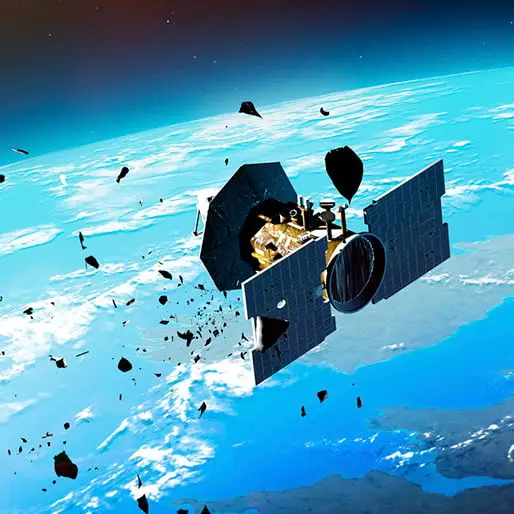
The terrifying ‘Kessler syndrome’ has left scientists worried that it could leave Earth without any internet, TV or working phones.
It turns out that the plot of sci-fi space film Gravity starring Sandra Bullock and George Clooney is based on a concept that is a very real possibility.
The film follows the pair as they journey to the Hubble Space Telescope to repair it when they get a warning from ground control that there’s a debris field heading their way.
Advert
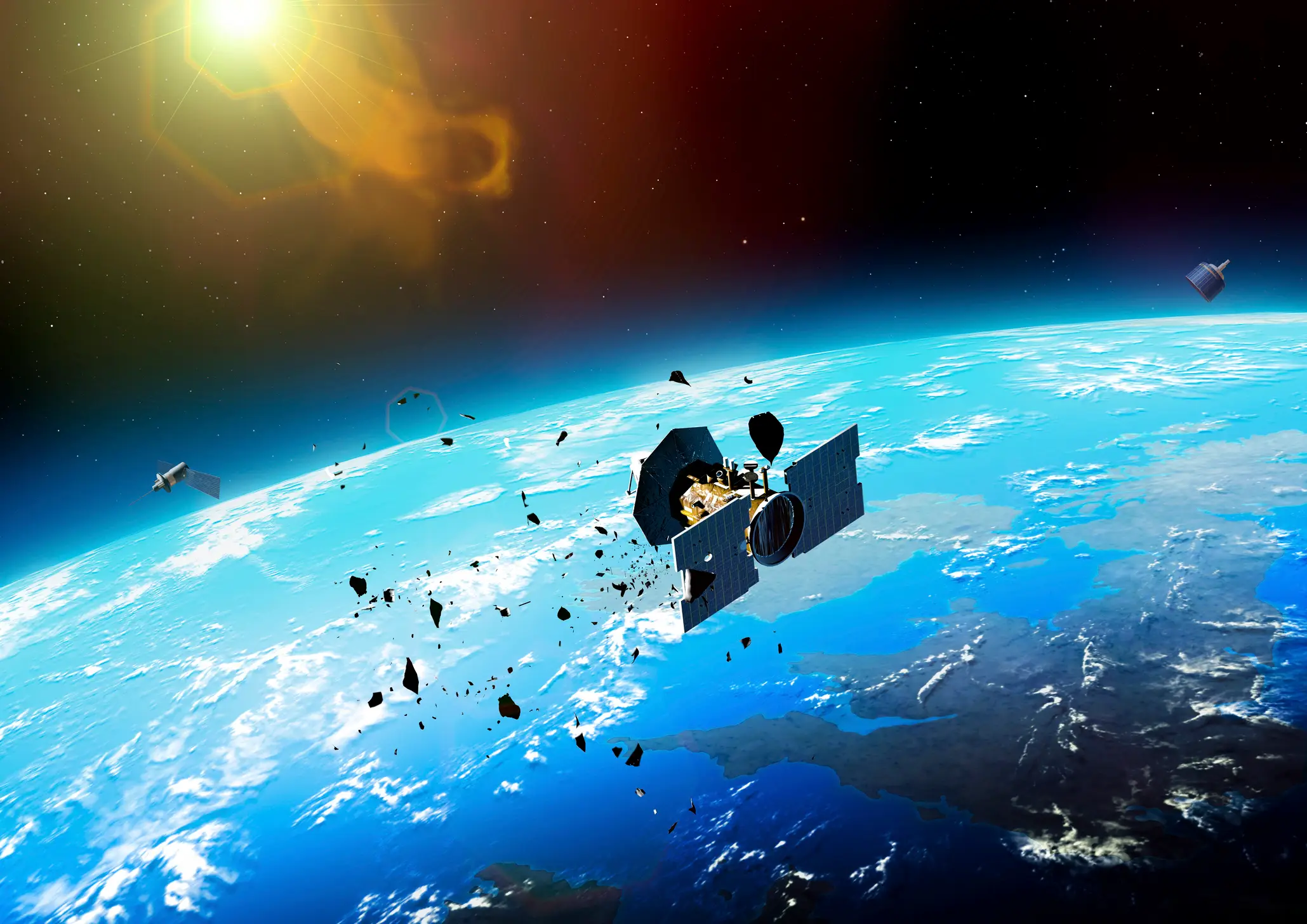
As a result, the debris starts to knock out communication satellites orbiting Earth as well as destroying the telescope and the International Space Station.
However, this isn’t just the invention of Hollywood - there is a real risk of something similar happening.
Kessler Syndrome is a scenario thought up by NASA scientists Donald Kessler and Burton Cour-Palais.
The experts theorized back in 1978 that if we continue to send more spacecraft into space then eventually the space around Earth will become too crowded.
NASA explained: “Spent rockets, satellites and other space trash have accumulated in orbit increasing the likelihood of collision with other debris.
“Unfortunately, collisions create more debris creating a runaway chain reaction of collisions and more debris known as the Kessler Syndrome after the man who first proposed the issue, Donald Kessler.”
Why scientists are worried the Kessler syndrome will be proved true
Some experts are convinced it’s only a matter of time before the Kessler syndrome is proven true.
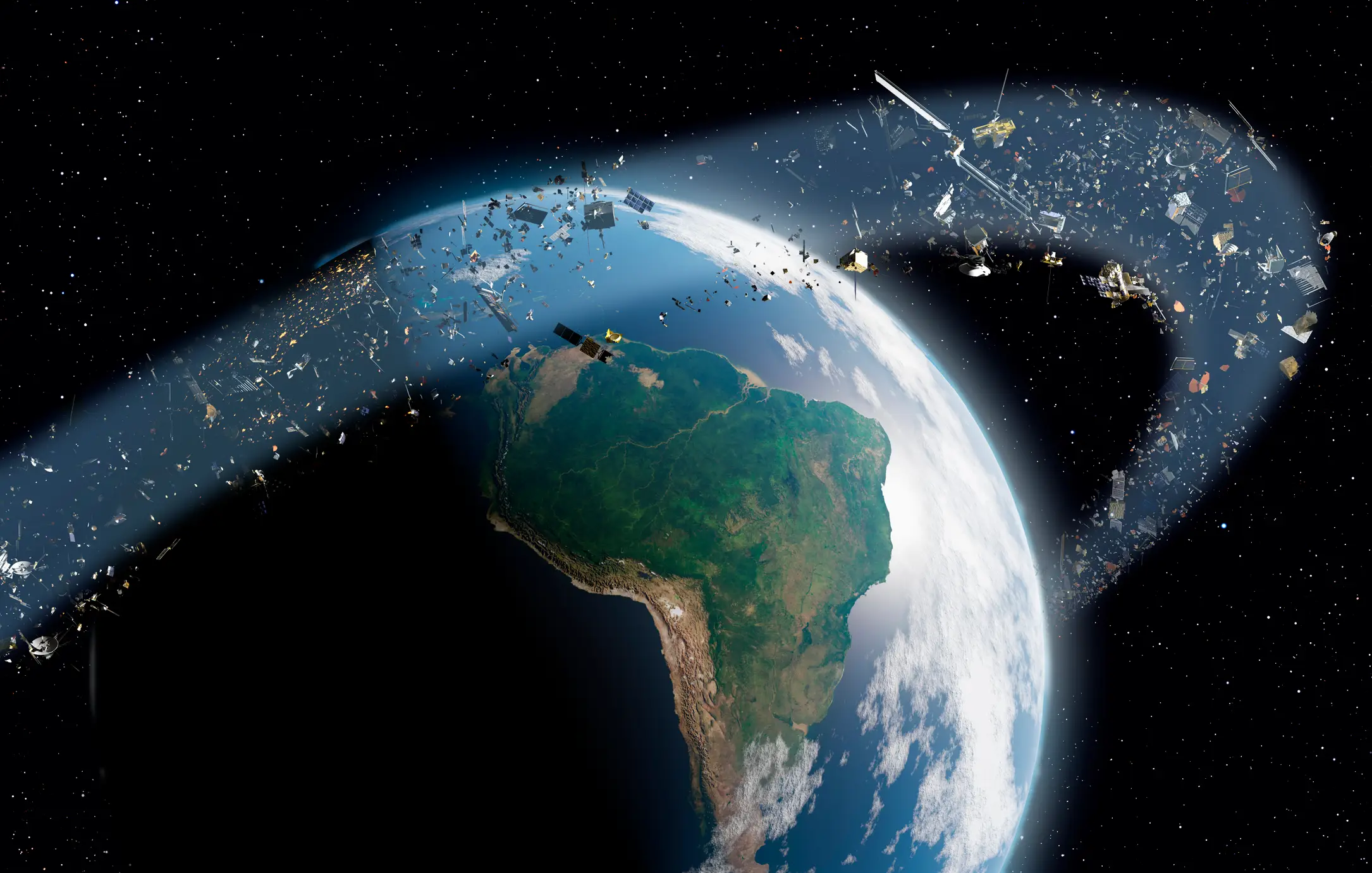
There are currently more than 10,000 satellites orbiting Earth and more than 100 trillion pieces of old satellites still circling the planet, with parts occasionally falling into the Earth's atmosphere over time and burning up.
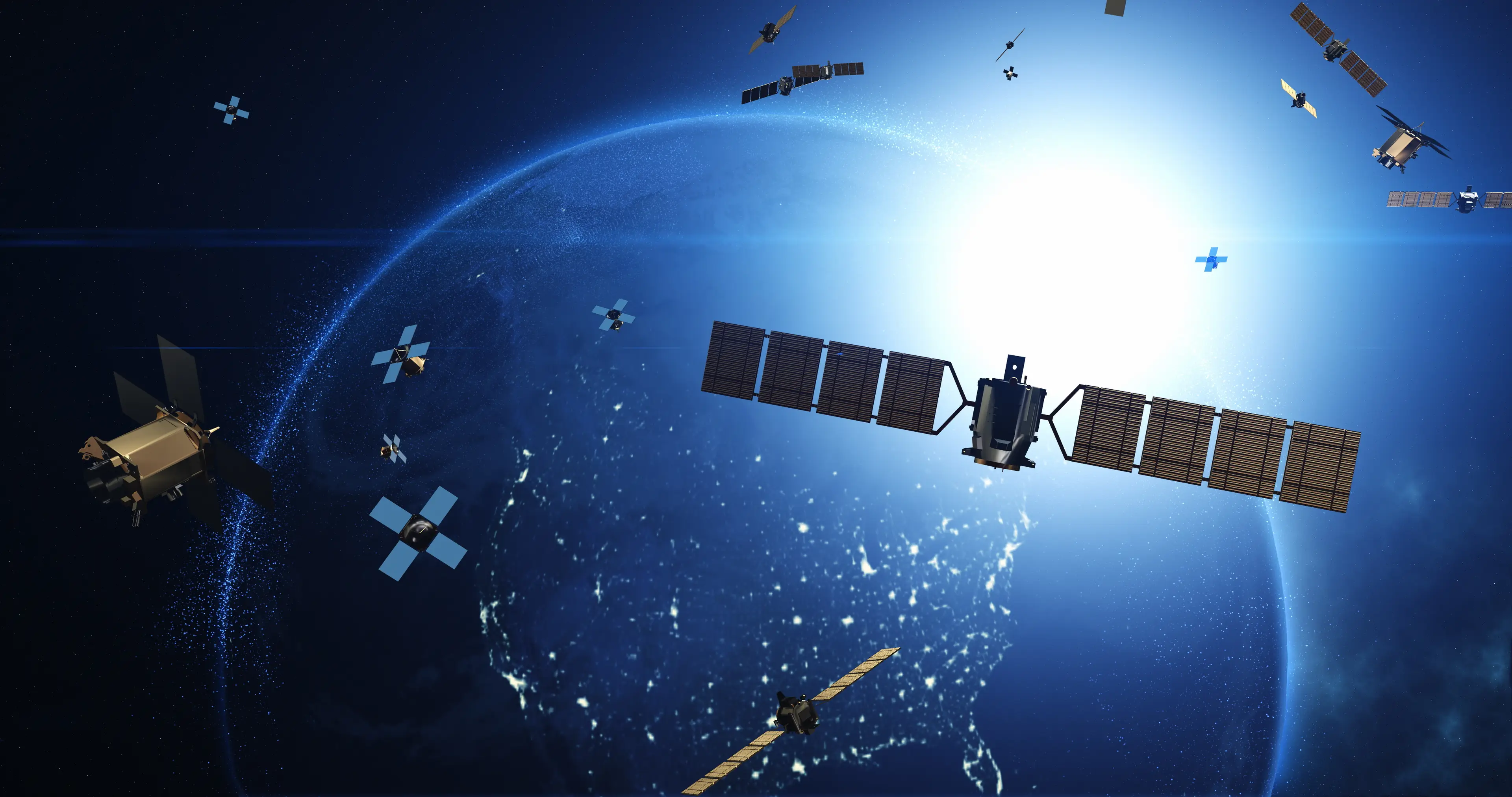
Kessler demonstrated that once the amount of debris in a particular orbit reaches something called ‘critical mass’, collisions begin even if no more objects are launched into the orbit.
Kessler estimated that it would take 30 to 40 years to get to this point but nowadays, some experts think we are already at critical mass in low-Earth orbit, which is roughly 560 to 620 miles (900 to 1,000 kilometers).
Events in recent years include a deactivated Russian satellite crashing into a US satellite back in 2009.
And in 2021, a Russian missile that destroyed one of its own satellites as part of a test forced astronauts on the ISS to undertake emergency procedures.
Could the Kessler syndrome end life as we know it on Earth?
If satellites and debris enter a chain reaction of collisions, life as we know it could end.
Satellites could be taken out, which could see huge internet and WiFi outages.
Phones could also go down with no satellites in the sky to ping calls from. It would even mean the potential end of TV and GPS.
Weather satellites could also be taken out, impacting our critical ability to track its impact on a number of industries.
“Weather satellites play an important role in a variety of industries, including agriculture, fisheries, and transportation, by predicting and mitigating the effects of adverse weather conditions,” said Amrith Mariappan and John L. Crassidis in their 2023 paper entitled ‘Kessler’s syndrome: a challenge to humanity’.
The paper adds that healthcare could be devastated with medical devices offline.
With debris flying around at immense speeds, it’ll be too dangerous to send anything out into space, leaving us in a dire situation.