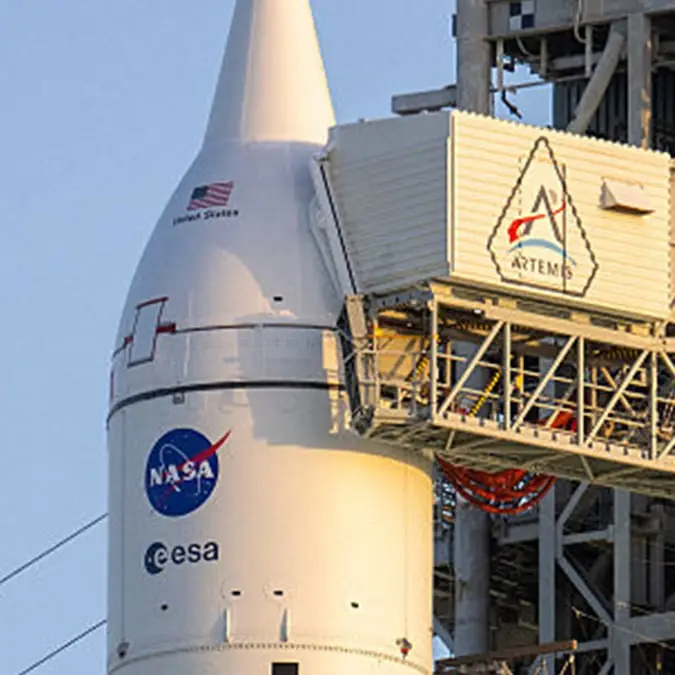
Users spot huge difference between NASA's Artemis 2 craft and Elon Musk's SpaceX Dragon


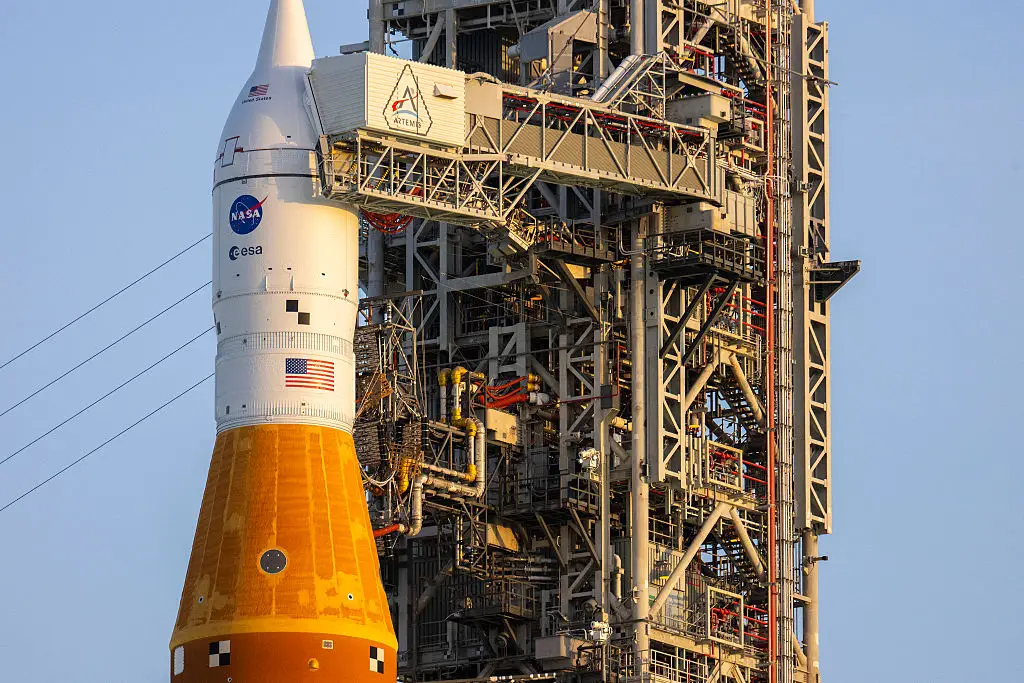
Artemis II launched to space on Wednesday evening (April 1) from Cape Canaveral, Florida, and is expected to reach the Moon by Monday.
The mission involves four astronauts, NASA’s Reid Wiseman, Victor Glover, Christina Koch, and CSA (Canadian Space Agency) astronaut Jeremy Hansen, and it is part of NASA’s new lunar programme.
While the crew will not land on the Moon, they will pass it and plan to use its gravitational pull to slingshot themselves back towards Earth.
The entire mission is expected to take 10 days to complete, with the team set to splash down back on Earth next Friday (April 10).
Advert
This will be the first time humans have ventured to the Moon in over 50 years after the Apollo programme ended in 1972, so of course, this new mission has sparked the interest of the internet.
And many people on social media are noticing a big difference in Artemis II’s Orion capsule compared with the SpaceX Dragon capsule.
While the interiors of the Dragon capsule display sleek touch screen monitors, the Orion appears to favor physical toggles.
However, it seems that there is a very good reason why the two are so different.
On X, formerly Twitter, one user wrote: “Many are pointing out how different Artemis II’s Orion spacecraft interior is compared to SpaceX’s Dragon.”
Another replied: “People keep making this comparison. If a touchscreen malfunctions, you lose every single "button" on that panel. If a physical toggle switch fails, it’s a localized issue that usually doesn't affect the switch next to it.
“Moreover, in a high-vibration environment (like launch or re-entry), a pilot needs to know they’ve engaged a system without looking. You can feel a physical switch "click" through pressurized gloves; you cannot feel a digital button on a flat glass screen. People are also comparing a multi-week deep space/lunar mission like Orion (misspelled as Onion here) to a low Earth orbit ISS ferrying one that SpaceX carries out. When you're going to be 238,000 miles away from help, you want the most robust, battle-tested hardware possible.”
And a third person added: “This one time I won't make fun of NASA. Touch screens are great as long as you can see what you're touching.
“Exposed buttons and switches can be counted, therefore you can flick the right switch even if you can't see. It's like increasing the volume on your TV, you don't need to look at the remote you know exactly where that button is. So in an emergency, I would prefer manual switches.”