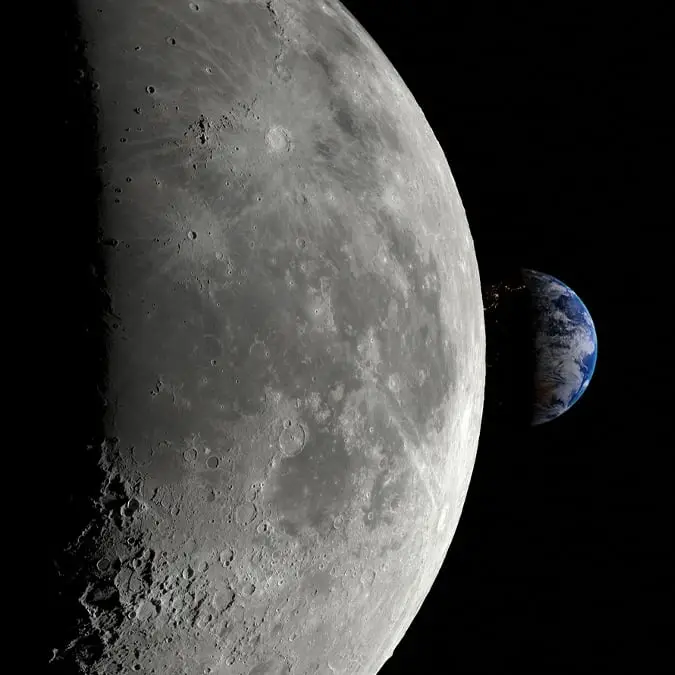
How viewers without Netflix can watch live stream of Artemis 2's flyby around the Moon


As Artemis II is expected to make its approach towards the Moon in the next few hours, Netflix is set to broadcast the event to the world.
This comes after NASA’s Orion capsule launched for space last Wednesday (April 1), sending a crew of astronauts to the Moon for the first time in over 50 years.
NASA’s Reid Wiseman, Victor Glover, Christina Koch, and CSA (Canadian Space Agency) astronaut Jeremy Hansen make up the team of Artemis II who will be performing a flyby of the lunar rock later today.
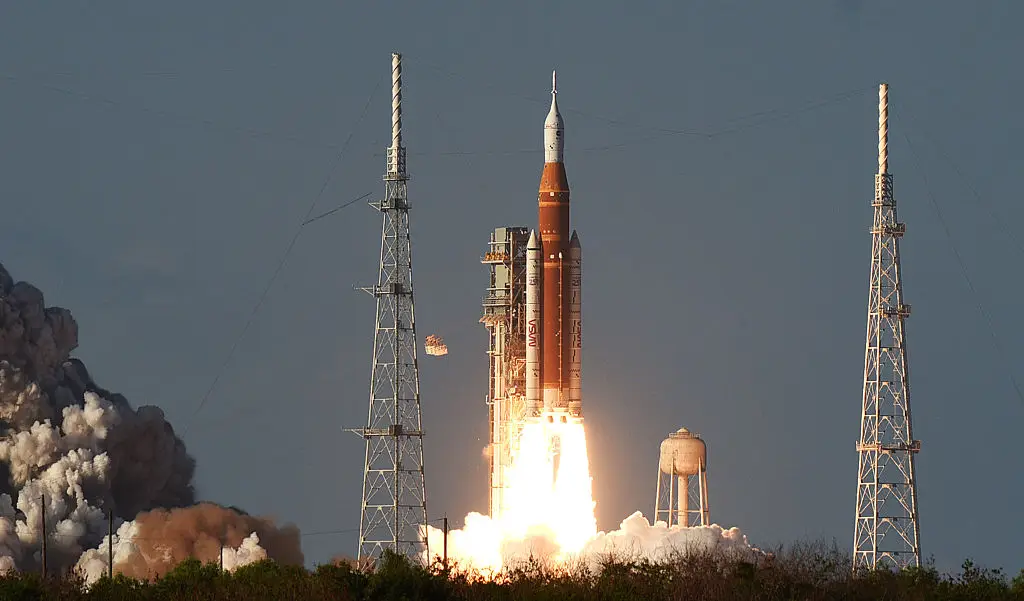
How to watch Netflix's live stream of Artemis 2's flyby around the Moon today
When to Watch: The Artemis II Lunar Flyby
Official Start Times in different timezones:
Advert
- North America: 10:00 AM PT | 11:00 AM MT | 12:00 PM CT | 1:00 PM ET
- South America: 2:00 PM BRT
- UK & Europe: 5:00 PM UTC | 6:00 PM BST | 7:00 PM CEST
- Middle East & India: 9:00 PM GST | 10:30 PM IST
- Japan: 2:00 AM JST (Tuesday, April 7)
- Australia: 3:00 AM AEST (Tuesday, April 7)
- New Zealand: 5:00 AM NZST (Tuesday, April 7)
Viewers will be able to see the highly anticipated event for themselves as Netflix plans to broadcast it in a live stream.
How to watch the Artemis 2 live stream if you don't have Netflix
However, if you’re not subscribed to the streaming service then fear not, because there are other ways to catch the broadcast.
This is because NASA will also be streaming the historic moment on their website as well as on the NASA app.
The space agency has been broadcasting a 24/7 live stream of a camera attached to the exterior of the capsule, which is available to view on YouTube.
The astronauts will lose all contact with Earth as they venture behind the Moon today
The live stream will show Orion flying past the Moon before they will lose contact with mission control altogether as they fly around the dark side of the rock before slingshotting back to Earth.
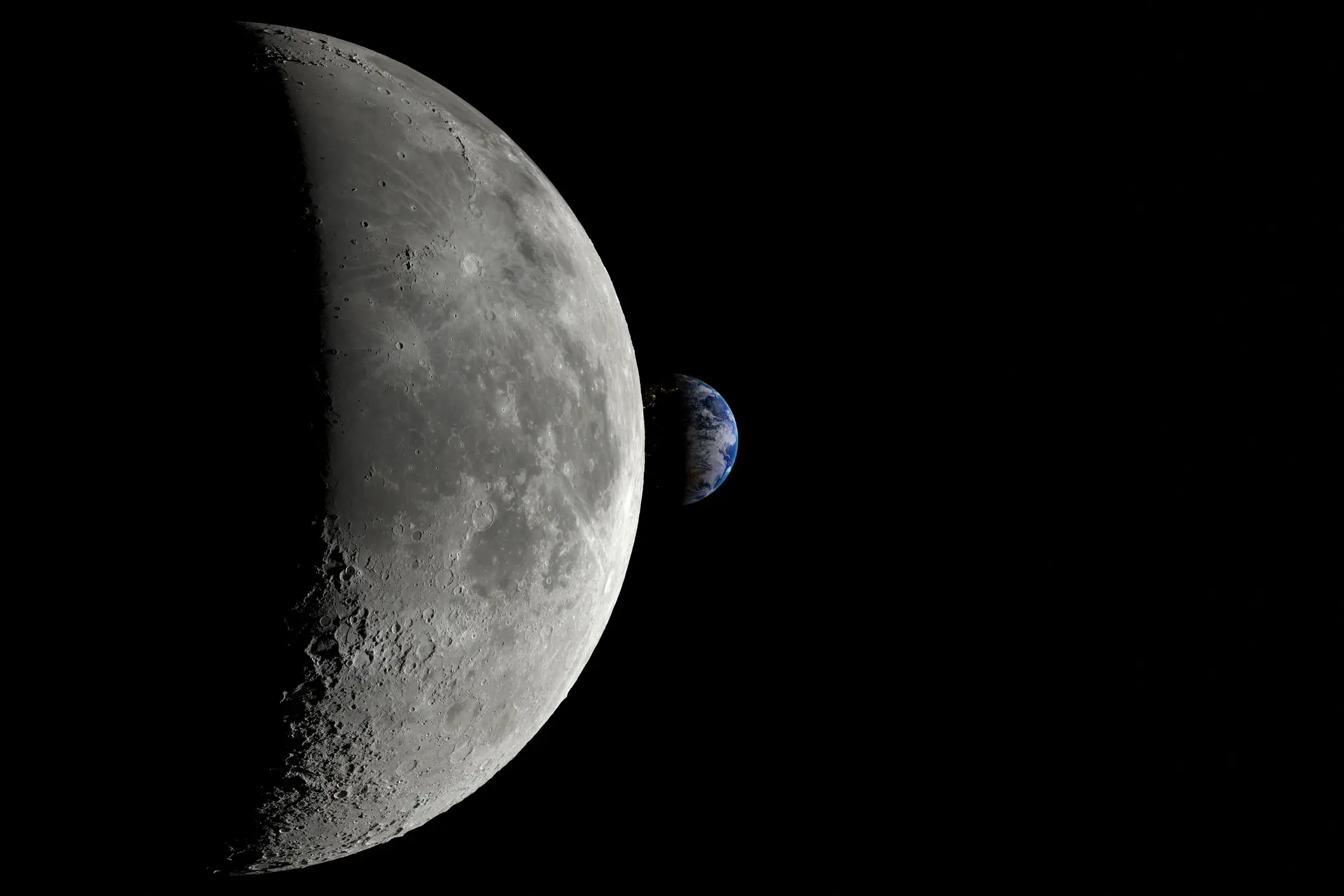
This silence will last for around 40 minutes and will mark the furthest humans have ever traveled in space away from our planet.
Why isn’t Artemis II landing on the Moon?
The crew will not be landing on the Moon and instead will fly past before returning home.
This is because the four astronauts are part of the first human test flight in NASA’s new lunar programme.
If successful, we could see humans back on the lunar surface as early as 2027 with the upcoming Artemis III mission.