uniladtech homepage
  • News
    • Tech News
    • AI
  • Gadgets
    • Apple
    • iPhone
  • Gaming
    • Playstation
    • Xbox
  • Science
    • News
    • Space
  • Streaming
    • Netflix
  • Vehicles
    • Car News
  • Social Media
    • WhatsApp
    • YouTube
  • Advertise
  • Terms
  • Privacy & Cookies
  • LADbible Group
  • LADbible
  • UNILAD
  • SPORTbible
  • GAMINGbible
  • Tyla
  • FOODbible
  • License Our Content
  • About Us & Contact
  • Jobs
  • Latest
  • Archive
  • Topics A-Z
  • Authors
Facebook
Instagram
X
TikTok
Snapchat
WhatsApp
Submit Your Content
Scientists make shocking discovery within 7,000-year-old underwater city that defies expectations

Home>Science
Published 16:29 16 Sep 2024 GMT+1

Scientists make shocking discovery within 7,000-year-old underwater city that defies expectations

They're using cutting-edge technology to map out the submerged city

Bec Oakes

Bec Oakes

google discoverFollow us on Google Discover
Featured Image Credit: University of Zadar
World News
News
Science

Advert

Advert

Advert

It's not quite the Lost City of Atlantis but scientists have made an astonishing discovery off the coast of Croatia.

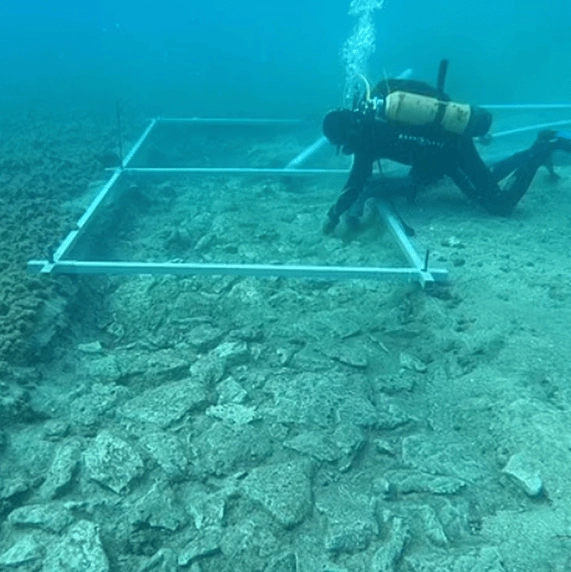
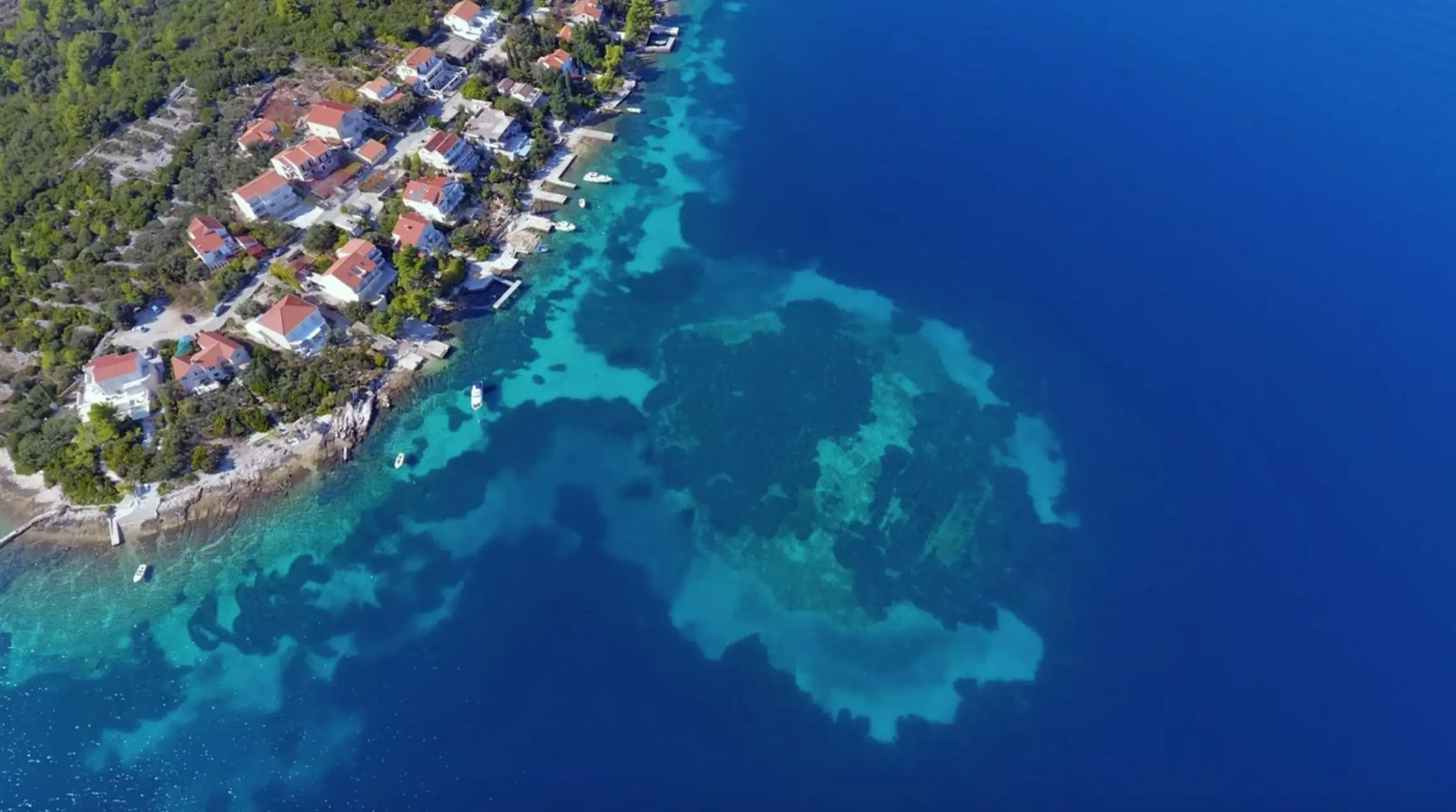
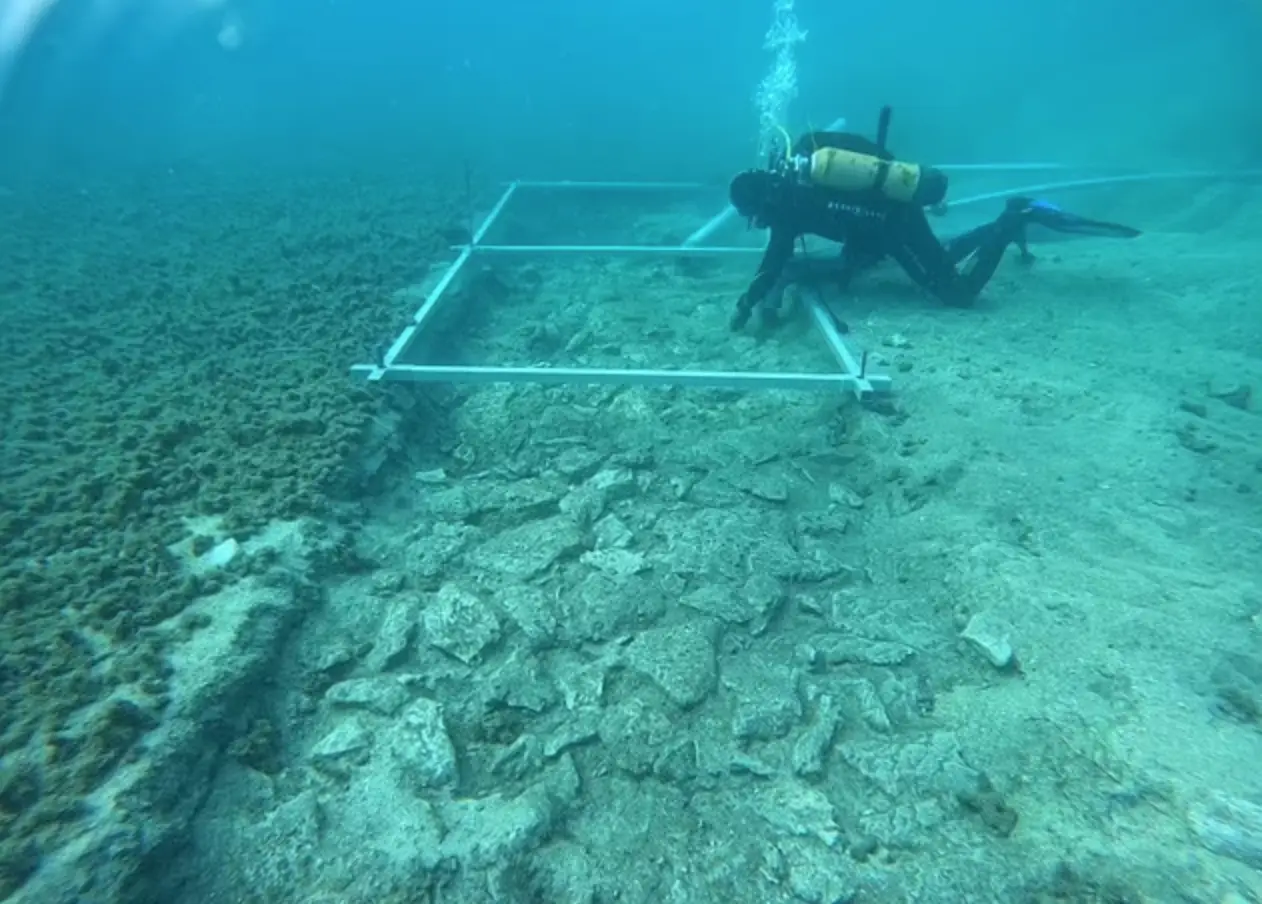
It all started last year when Igor Borzić, an archeologist at the University of Zadar, spotted 'strange structures' nearly 16 feet (5 meters) underwater in the Bay of Gradina.

This structure turned out to be a 7,000-year-old stone road that had previously connected the ancient city of Soline - which is now submerged off the coast of present-day Croatia - to the mainland.

Neolithic artefacts including a stone axe, cream blades and sacrificial fragments, were also found at the site.

Advert
A 7,000-year-old road connecting the ancient city of Soline to the mainland was discovered underwater last year (University of Zadar)

"In underwater archaeological research of the submerged neolithic site of Soline on the island of Korčula, archaeologists found remains that surprised them," the University of Zadar said in a Facebook statement.

"Namely, beneath the layers of sea mud, they discovered a road that connected the sunken prehistoric settlement of the Hvar culture with the coast of the island of Korčula."

Further study has since been conducted into the area, with a team of international researchers using cutting-edge underwater 3D seismic sensors to map this ancient world.

While such technology has been used before, this is the first time is has been directly applied to geological archeology.

"It's a more diverse landscape and it's better preserved than we expected," says geo-archaeologist Dr Simon Fitch, the project's lead investigator. "The results provided way more detail than we were expecting.
Researchers have since used 3D mapping to discover more about the ancient city and the people that lived in it (University of Zadar)

"There are beautifully preserved rivers and estuaries buried beneath what is now the seafloor," he continued.

"The unique environment of the area around Split, which is quite sheltered, has preserved a lot of it."

Initial findings suggest the area was bustling with people.

"When we went in with our high resolution sensors, we found more rivers, more water in the landscape and more environments," Dr Fitch continued.

"That’s amazing because it suggests it is more likely that people lived there."

There's hopes that the ongoing research into the area should help us forge a better understanding of the landscape of ancient Hvar, as well as the lives of the people who lived there.

"Our ultimate goal is to find human artefacts," Dr Fitch noted. "Having this new understanding of the landscape makes that more likely.

"Croatia is the gateway to Europe so if you think about the advance of farming into Europe, it is and always has been a very important landscape.

"By understanding the landscape, we can begin to understand the whole archaeological picture so much more clearly."

Choose your content:

18 hours ago
a day ago
  • Erik Simonsen / Getty
    18 hours ago

    How to see asteroid as big as five cruise ships visible from Earth this Saturday

    1997 NC1 was discovered in 1997, and will come the closest to Earth in 400 years

    Science
  • NASA Johnson
    a day ago

    Scientists sound the alarm over the environmental impact of NASA’s plan to deorbit the ISS

    Plans to dump the space station in the sea have been challenged by experts

    Science
  • Curtin University
    a day ago

    An asteroid slammed into Earth 3,000,000,000 years ago and we finally know where it hit

    The North Pole Dome impact structure is nowhere near as cold as its name would suggest

    Science
  •  NASA Johnson
    a day ago

    Experts expose a ‘troubling’ legal loophole in NASA's plan to dump the ISS in the Pacific

    The isolated Point Nemo is already known as a 'spacecraft cemetery'

    Science
  • Rare photos of 'ghost dog' finally captured as scientists make phenomenal discovery
  • Scientists use 67-million-year-old DNA to grow world's first T-Rex leather bag, but no one wants it
  • Scientists make shocking discovery inside mysterious 'alien spaceship' that could hit Earth today
  • Scientists make shocking discovery that changes everything we thought we knew about Mars