• News
    • Tech News
    • AI
  • Gadgets
    • Apple
    • iPhone
  • Gaming
    • Playstation
    • Xbox
  • Science
    • News
    • Space
  • Streaming
    • Netflix
  • Vehicles
    • Car News
  • Social Media
    • WhatsApp
    • YouTube
  • Advertise
  • Terms
  • Privacy & Cookies
  • LADbible Group
  • LADbible
  • UNILAD
  • SPORTbible
  • GAMINGbible
  • Tyla
  • FOODbible
  • License Our Content
  • About Us & Contact
  • Jobs
  • Latest
  • Topics A-Z
  • Authors
Facebook
Instagram
X
TikTok
Snapchat
WhatsApp
Submit Your Content
Scientists make groundbreaking discovery inside 2,000,000,000-year-old stone that was far from what they imagined

Home> Science

Published 11:37 11 Oct 2024 GMT+1

Scientists make groundbreaking discovery inside 2,000,000,000-year-old stone that was far from what they imagined

It may change what we know about the evolution of life on Earth

Rebekah Jordan

Rebekah Jordan

google discoverFollow us on Google Discover

Scientists drilling in South Africa made a surprising find when they opened up an ancient rock.

The team of researchers discovered an ancient stone in South Africa's Bushvelt Igneous Complex during ultradeep drilling.

The team managed to get a 30cm rock core sample.

The scientists believe that studying the rock's microbial community could also shed light on ongoing research about life on other planets.

Advert

To study it further, the team excavated the rock, sliced it into thin pieces and started analysing it.

They ended up finding what they think are microbial cells in the cracks of the rock. If these microbes turn out to be native to the rock and not contaminated, they would be the oldest living microorganisms ever found in rocks.
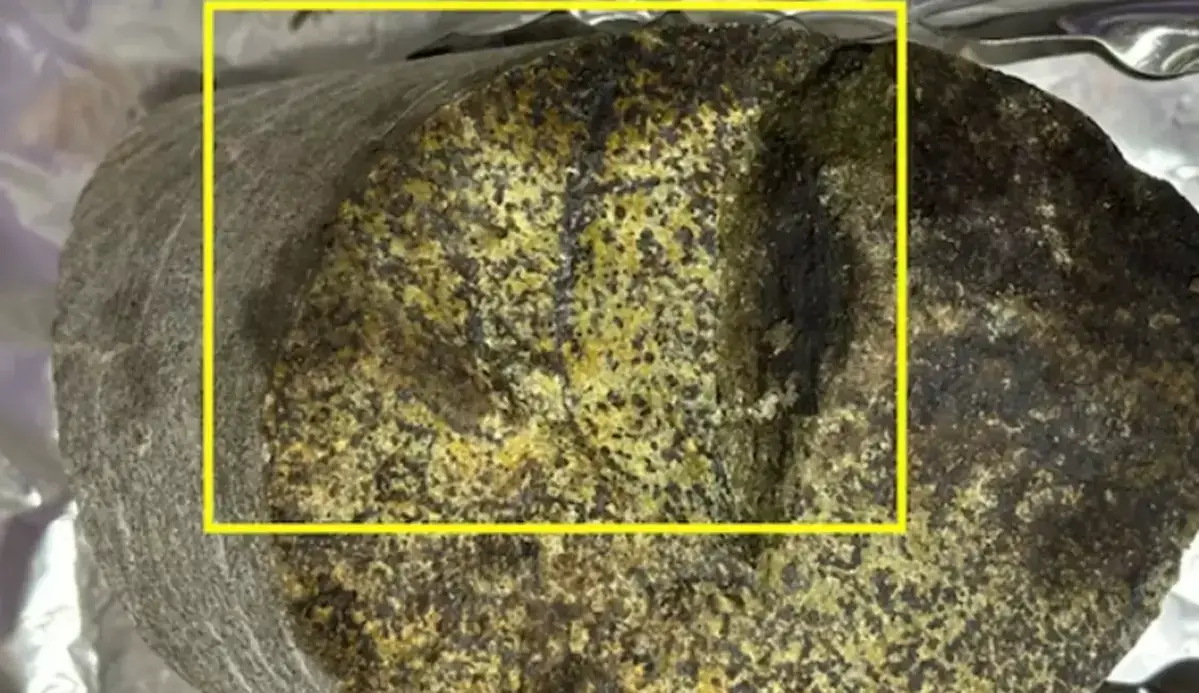
It's said to be a very 'exciting' discovery (Y. Suzuki, S. J. Webb, M. Kouduka et al. 2024/ Microbial Ecology)

The team wrote about the 'exciting' news in a recent study, suggesting that these microbes could help us understand early life on Earth and possibly life that once existed on other planets, especially Mars.

One of the main goals of NASA's Perseverance mission is to collect physical samples from Mars.

According to the study's authors, these samples will probably be around the same age as the Earth rock that was just opened, making this discovery a sort of practice run for studying microbes from other planets.

Yohey Suzuki, lead author of the recent study, explained the importance of the findings: “Until now, the oldest geological layer in which living microorganisms had been found was a 100-million-year-old deposit beneath the ocean floor.

"This is a very exciting discovery.”
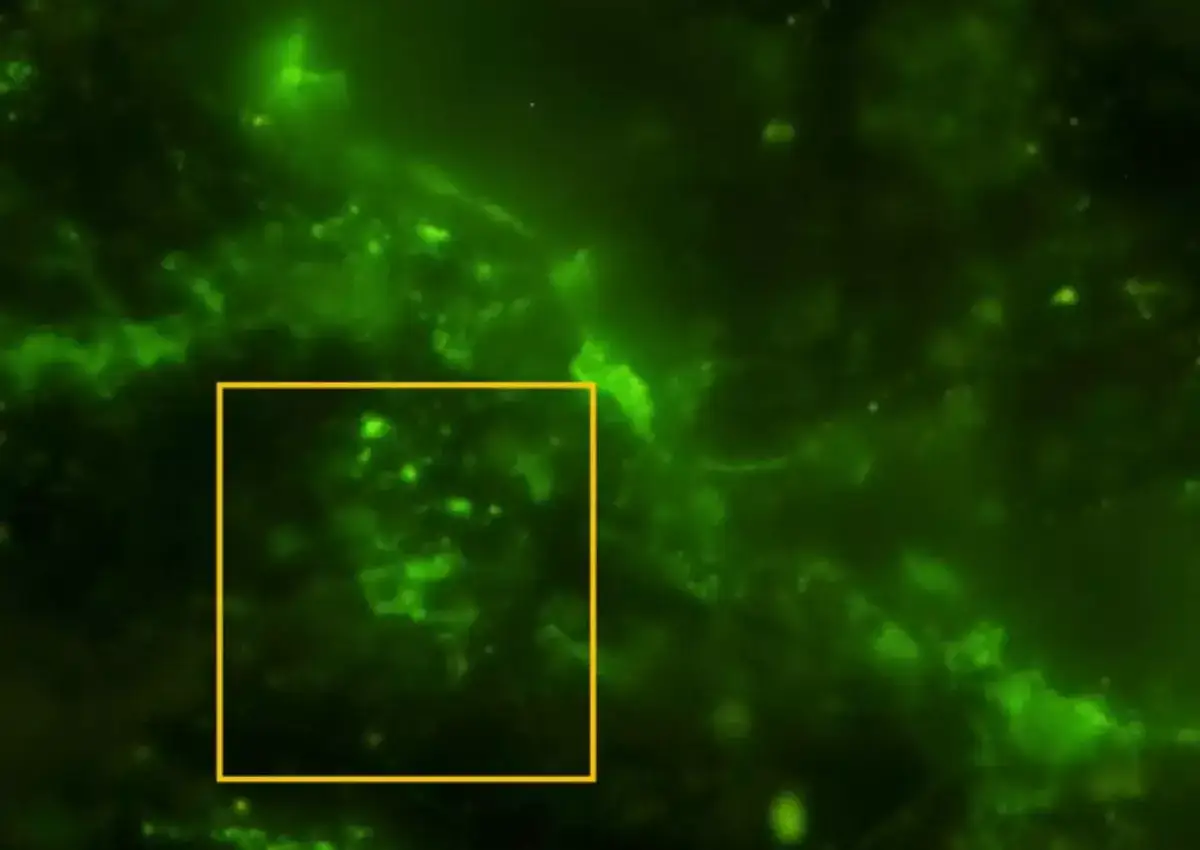
The discovery could help us learn more about Mars (Y. Suzuki, S. J. Webb, M. Kouduka et al. 2024/ Microbial Ecology)

The associate professor from the Graduate School of Science at the University of Tokyo continued: “By studying the DNA and genomes of microbes like these, we may be able to understand the evolution of very early life on Earth.”

Suzuki also pointed out that discovering and analysing microbes from rocks dating back to the Paleoproterozoic Era could help us learn about Mars' history as well.

“NASA’s Mars rover Perseverance is currently due to bring back rocks that are a similar age to those we used in this study,” Suzuki mentioned.

“Finding microbial life in samples from Earth from two billion years ago and being able to accurately confirm their authenticity makes me excited for what we might be able to now find in samples from Mars.”

Another incredible earthly find recently was discovered in Borneo, where scientists incredibly discovered a lost tectonic plate. The plate is thought to be a mind-boggling 120,000,000 years old.


Featured Image Credit: Y. Suzuki, S. J. Webb, M. Kouduka et al. 2024/ Microbial Ecology
Science
Discovery
Mars

Advert

Advert

Advert

Choose your content:

7 hours ago
a day ago
  • Oleg Breslavtsev/Getty Images
    7 hours ago

    Getting exactly seven hours and 18 minutes sleep a night 'prevents' these 'two major health conditions'

    Too much sleep can be just as bad for your health as not getting enough, according to experts

    Science
  • Andrew Francis Wallace/Toronto Star via Getty Images
    a day ago

    'Boil in the bag' funerals where liquified bodies are flushed down a drain come to major western country

    It's an alternative form of cremation

    Science
  • wildpixel / Getty
    a day ago

    Scientists warn men are losing their Y chromosomes and it could turn deadly

    The risk appears to increase with age

    Science
  • Pham Hung / Getty
    a day ago

    The one sea on Earth that touches no land is hiding in the Atlantic Ocean

    Hundreds of species live beneath the surface

    Science
  • Scientists make shocking discovery that changes everything we thought we knew about Mars
  • Scientists make astonishing discovery inside the womb of 1,200-year-old 'alien' corpse
  • Scientists make groundbreaking discovery about how water came into existence
  • Researchers make groundbreaking discovery about ChatGPT after testing it with 2,400 year-old math problem