Researchers solve 50 year mystery following discovery of new blood group


Researchers discovered an entirely new human blood type after solving a 50-year mystery.
Back in 1972, doctors were stumped when a pregnant woman’s blood sample was missing a surface molecule that was present on everyone else's red blood cells at the time. No one could explain it.
Fast forward fifty years, and scientists believe to have sussed it. The discovery led researchers from the UK and Israel to describe a new blood group system in humans, publishing their findings in 2024.
"It represents a huge achievement, and the culmination of a long team effort, to finally establish this new blood group system and be able to offer the best care to rare, but important, patients," said Louise Tilley, a haematologist with the NHS, who's been investigating the mystery for nearly 20 years.
Advert
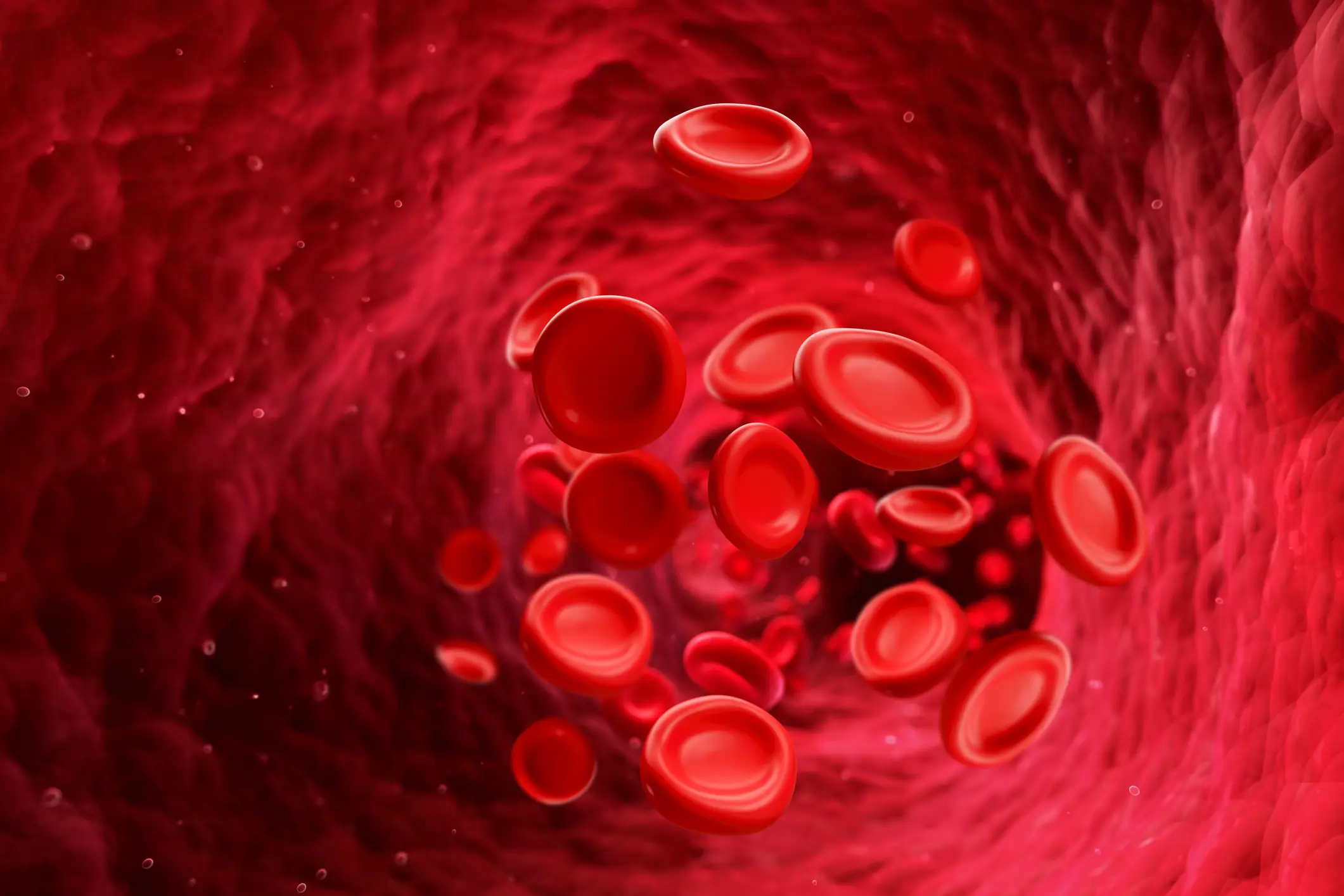
While we're all pretty familiar with the ABO blood group system as well as the Rh factor (plus or minus sign), the reality is a little more complex. Humans actually have many blood group systems based on all kinds of proteins and sugars that coat the surface of our red blood cells. These surface markers help our bodies figure out what belongs and what doesn’t and helps to identity what's 'self' and what's 'foreign.'
If there’s a mismatch during something like a blood transfusion, it can cause serious reactions, possibly even death.
The famous blood group discoveries happened in the early 1900s, but newer, rarer systems are still being uncovered. One of which was the Er system established in 2022, which only impacts a small number of people. The same goes for this new blood group.
"The work was difficult because the genetic cases are very rare," added Tilley. What's special about the new group is that it comes down to a common antigen called AnWj, which is present in more than 99.9% of people.
However, the pregnant woman from 1972 didn’t have AnWj, and it turns out that it was due to a rare change in one of her genes called MAL - which is why the newly described system is called the MAL blood group. If someone inherits two mutated versions of this gene, they end up with this ultra-rare blood type that lacks AnWj.
Interestingly, the team also found three patients with the rare blood type but were missing the mutation. This suggests certain blood disorders might also shut off production of the molecule, even if the gene is technically normal.
"MAL is a very small protein with some interesting properties which made it difficult to identify and meant we needed to pursue multiple lines of investigation to accumulate the proof we needed to establish this blood group system," explained Tim Satchwell, a cell biologist at the University of the West of England.
Now that the genetic link behind the MAL blood group is understood, doctors can test patients to see if their unusual blood type is inherited or caused by an underlying health issue. Such a marker could help flag problems early and save lives.
The whole discovery might seem pretty niche, but this kind of research could be life-saving for patients with rare blood types.