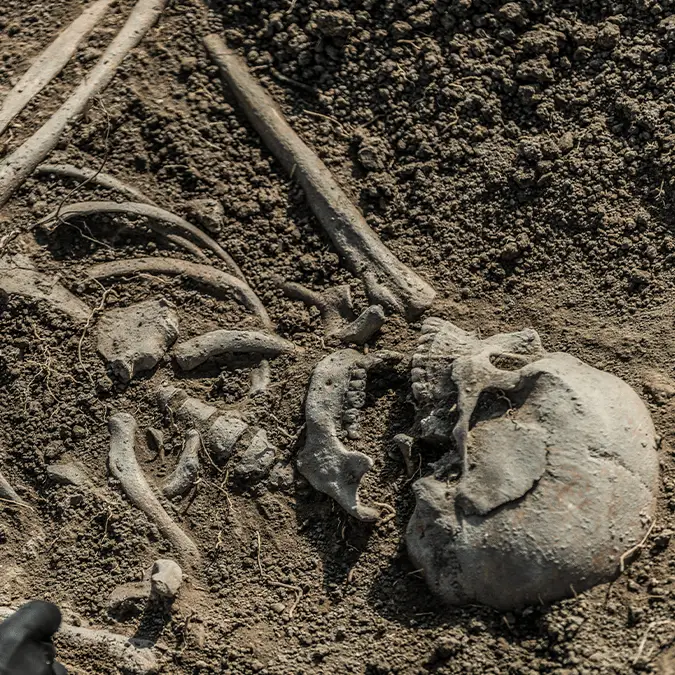
99% of human population was wiped out 900,000 years ago with 1,000 people repopulating the Earth, study says


There have been many mass extinction events recorded throughout history, but now researchers have found one moment a threat impacted nearly all of humanity, leaving survivors to rebuild their numbers.
According to a new research paper, things weren’t so hot for the population around 930,000 years ago.
That’s because the experts in China think they’ve located an instance where humanity experienced what’s known as a ‘bottleneck’ in population numbers – also known as a moment where the population quickly deteriorates.
Publishing their findings in the journal Science, the authors tested DNA from present-day people, to figure out what happened at that time.
Advert
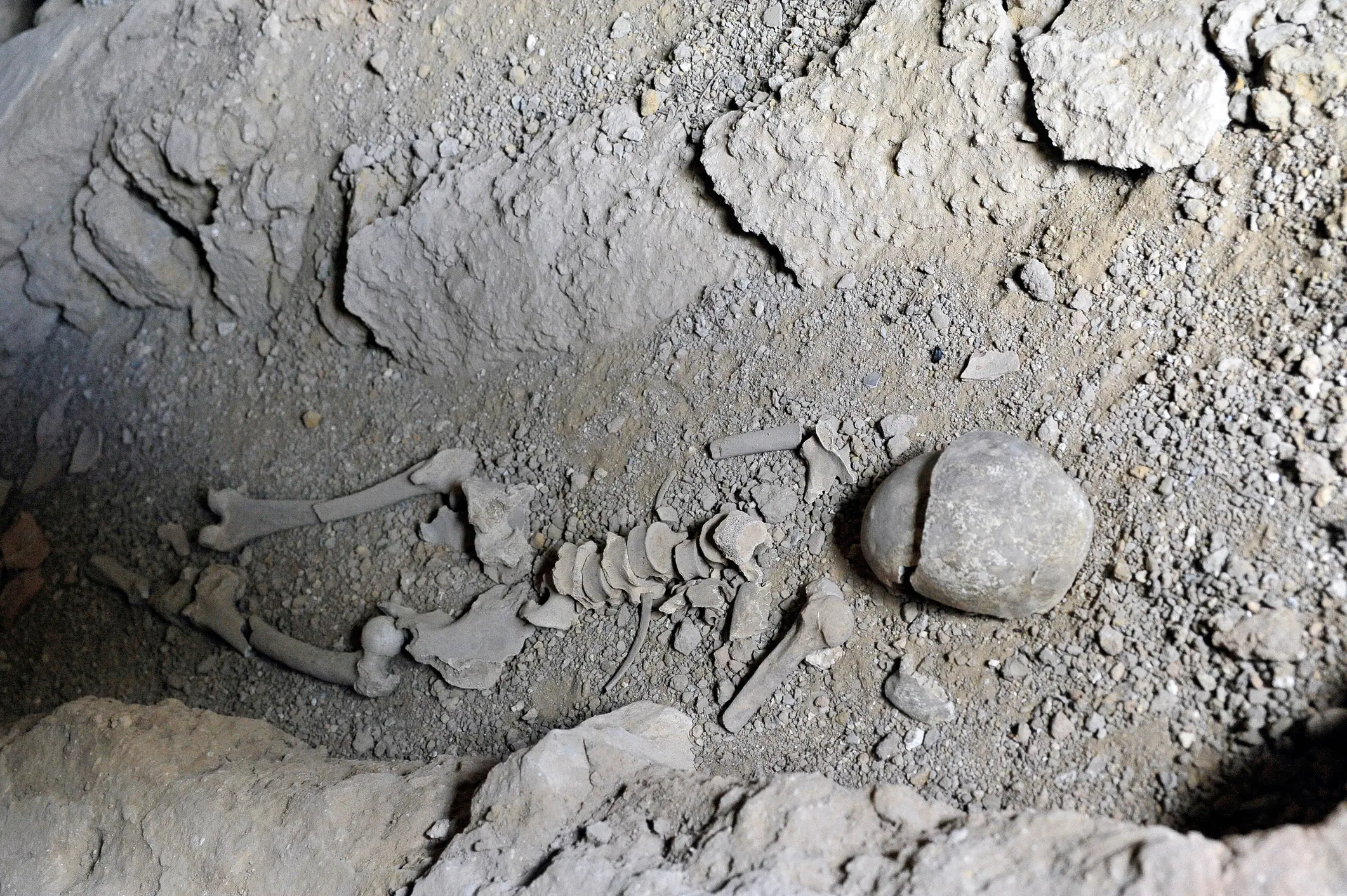
As it turns out, there could have been around 1,300 humans left for around 120,000 years, before they could repopulate to the whopping 8.2 billion people we have today, per Worldometers.
Dr Yi-Hsuan Pan, from the East China Normal University, co-authored the research, and explained what the findings mean.
While they couldn’t pinpoint exactly what happened nearly a million years ago, he said, per the National History Museum, that it does open ‘a new field in human evolution by raising many new questions.’
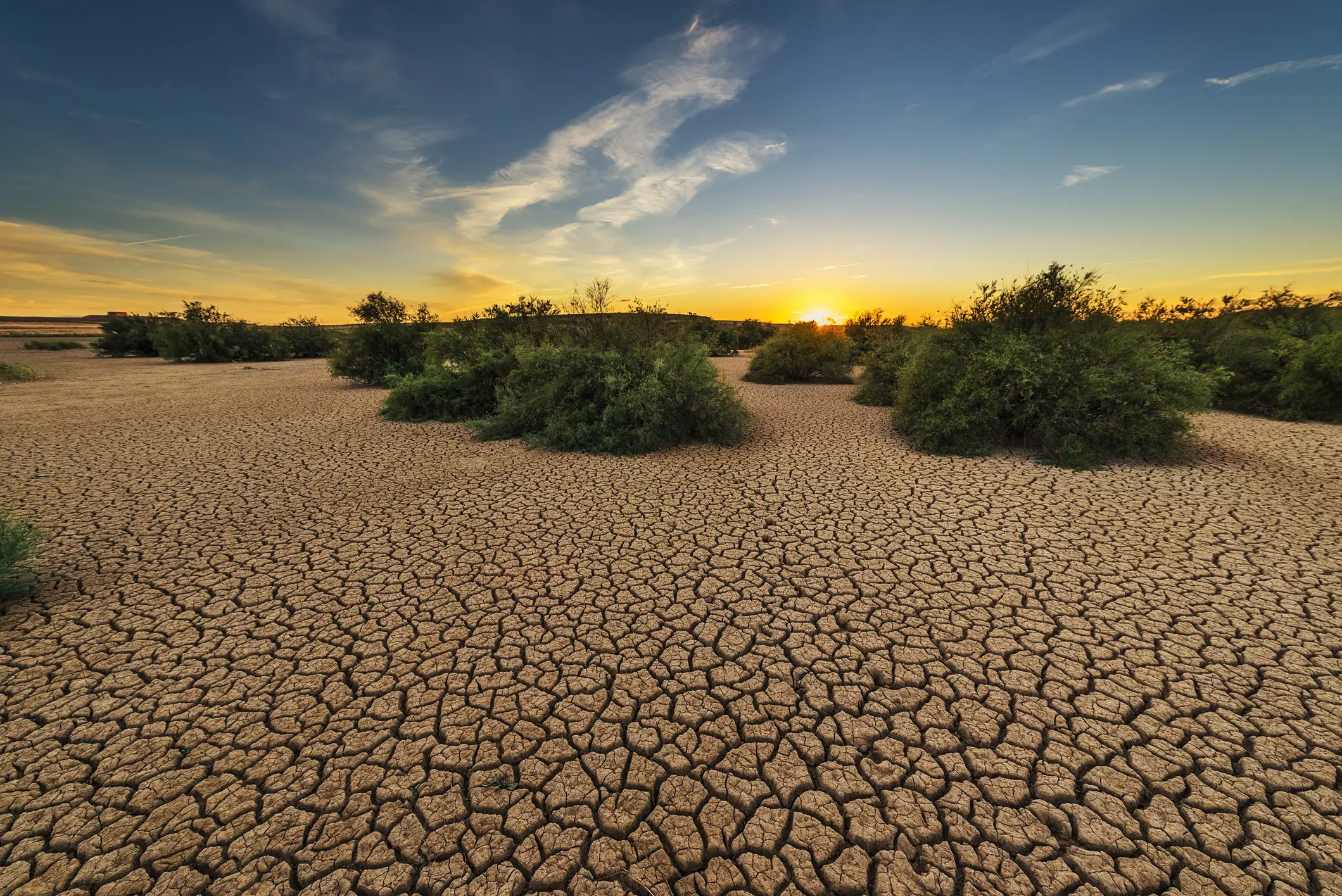
As researchers think the culling was a consequence of Africa’s climate getting colder and drier, he asked: “Where did these individuals live? How did they overcome catastrophic climate change? And did natural selection during the bottleneck affect their evolution? All this remains to be answered.”
Sacha Vignieri, the senior research editor at Science, described their research as having ‘used a newly developed coalescent model to predict past human population sizes from more than 3000 present-day human genomes’, which is known as FitCoal, and analyzed the genomes of almost 3,200 people from populations inside and outside Africa.
It also 'detected a reduction in the population size of our ancestors from about 100,000 to about 1000 individuals, which persisted for about 100,000 years.’
Lead author Dr Wangjie Huopens told the outlet: “We first found hints of something really interesting happening in human population size at this time about five years ago, but the real ‘wow’ moment came after we multi-checked our findings using FitCoal.
“We realized we had discovered something big about human history and that there's a lot more to uncover.”
So, what does it mean?
It could just mean that genes from the 1,300 humans were the only ones passed down throughout history, not necessarily that these were the only people left alive.
But it does raise some questions about how likely it is that the world rebuilt itself and what could have killed so many.