Scientists warn mysterious 'mirror life' bacteria could wipe out everything on Earth


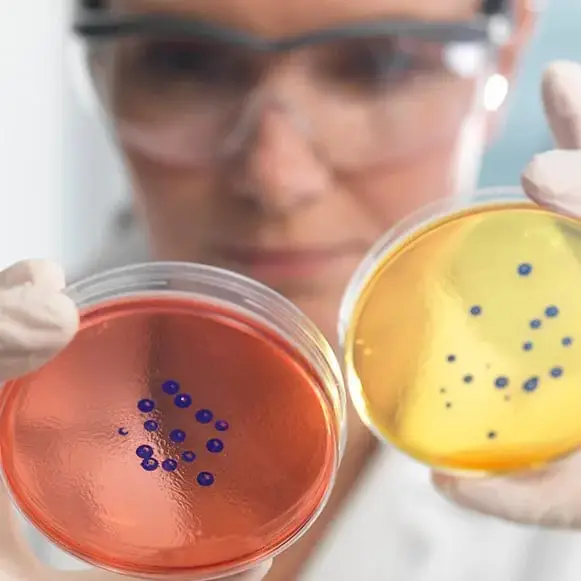
Scientists are warning people that a mysterious ‘mirror life’ bacteria could wipe out everything in the world.
Experts fear that the microscopic bacteria could have a devastating impact and change life on Earth as we know it.
This is according to a group of scientists, which includes academics from prestigious institutions such as Stanford, Yale and MIT in the US and the University of Cambridge in the UK.
Advert
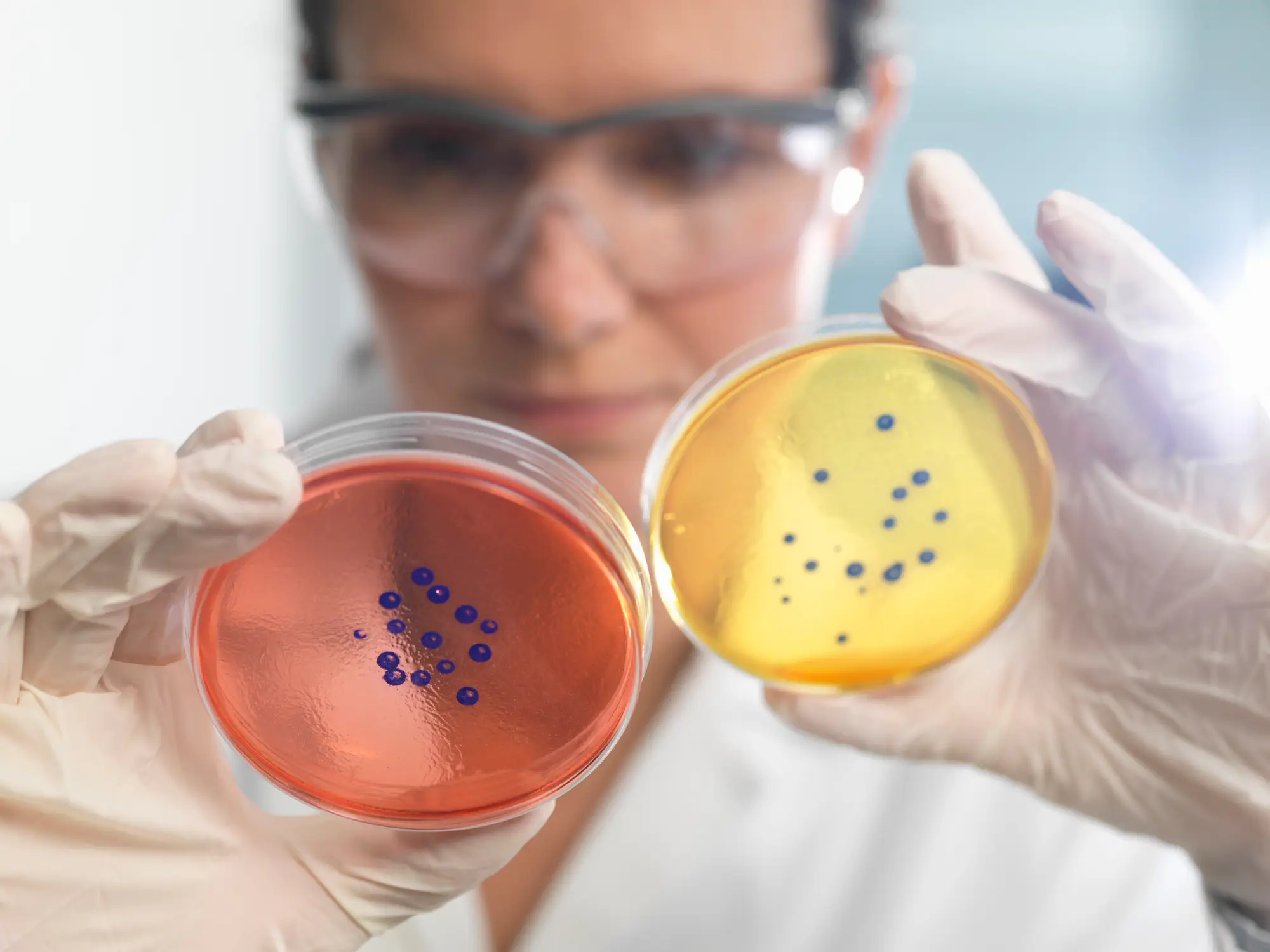
Following their study of bacteria, they’ve released an urgent warning in the journal Science.
The form of bacteria they are concerned with is known as ‘mirror life’, which is the creation of synthetic lifeforms.
These come from mirror-image biological molecules.
Why are these forms of bacteria dangerous?
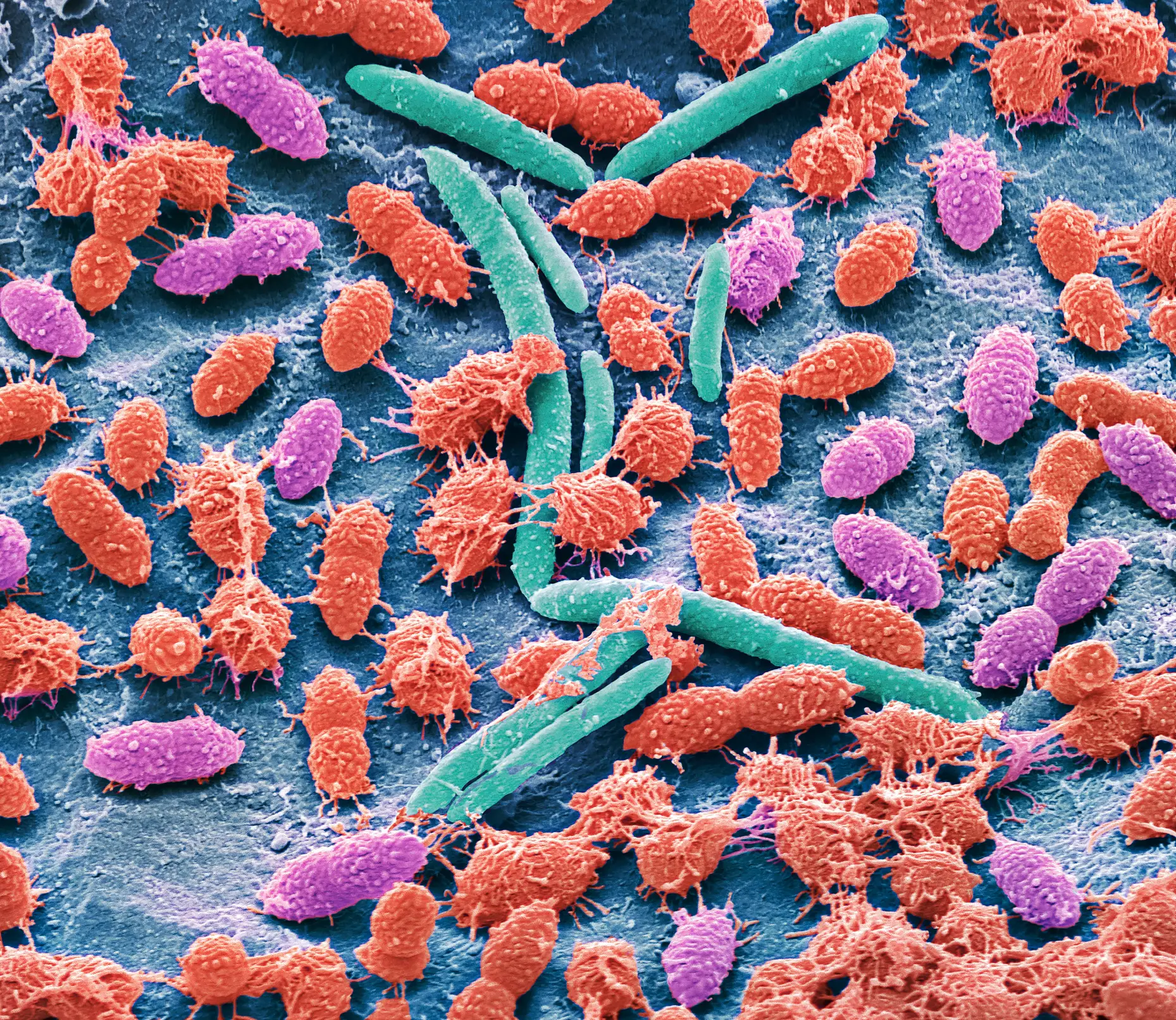
Scientists fear that these ‘mirror life’ bacteria could infect the immune systems of humans, as well as other animals and plants.
If this was to happen, it could put us at risk of contracting fatal infections, potentially leading to the entire wipeout of humanity.
In the report, they said: “Much like an invasive species with few natural predators, we are concerned that mirror bacteria could rapidly proliferate, evolving and diversifying as they spread.
Persistent and potentially global presence of mirror bacteria in the environment could repeatedly expose human, animal and plant populations to the risk of lethal infection.”
To avoid this, the experts recommend that these types of bacteria ‘should not be created’ as they ‘pose extraordinary dangers’.
The report goes on to say: “We therefore recommend that research with the goal of creating mirror bacteria not be permitted, and that funders make clear that they will not support such work.
“We recommend that initially, steps be taken to prevent the production of mirror genomes and proteomes, or functional equivalents sufficient to enable the construction of a mirror cell.
“We also recommend research to better understand and prepare for risks from mirror bacteria, as long as neither mirror bacteria nor any key enabling precursors are produced. Such research might include studying the interaction of mirror biomolecules with the immune system as well as developing detection methods and biosurveillance systems.
“None of these research directions would require mirror bacteria to be built.”
It’s certainly a terrifying thought as to what could happen if ‘mirror life’ bacteria became widespread.
Scientists in Spain and Japan previously uncovered a host of fungi and bacteria within the troposphere, which is the lowest layer of the Earth's atmosphere in direct contact with the Earth's surface.
This included harmful bacteria such as E. coli.