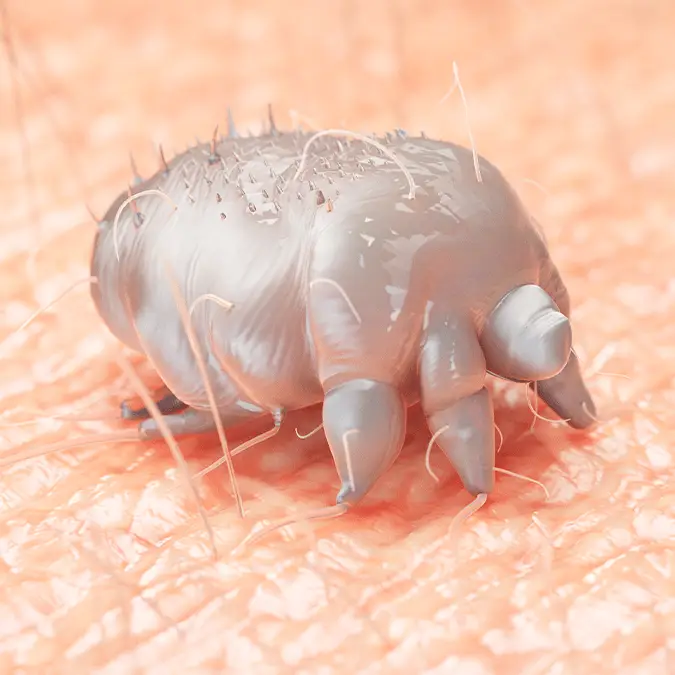
Highly contagious condition where microscopic mites burrow underneath your skin sees sharp rise


Doctors have been left stunned by the increase in cases for one notorious skin condition, as the highly contagious rash sees microscopic mites burrow underneath your skin, causing horrific irritation.
While it's been around since as far back into history as 25 AD, scabies appears to be making a comeback that nobody asked for, leaving many in a horrific situation, attempting to fight off the nightmarish skin condition.
This specific condition is none other than scabies, which relates to the microscopic itch mite known as sarcoptes scabiei, and it appears to be spreading at an increasing rate across the world since the COVID-19 pandemic, with annual increases of cases in certain locations.
Advice from the NHS indicates that the notable symptoms of scabies are both intense itching (especially at night) alongside the presence of raised rashes or spots across your skin.
Advert
The tiny mites burrow themselves within your skin and are even known to lay eggs, which leaves visible lines with red dots at one end. These rashes are most common between your fingers, but can appear in any area across the body as it continues to spread.
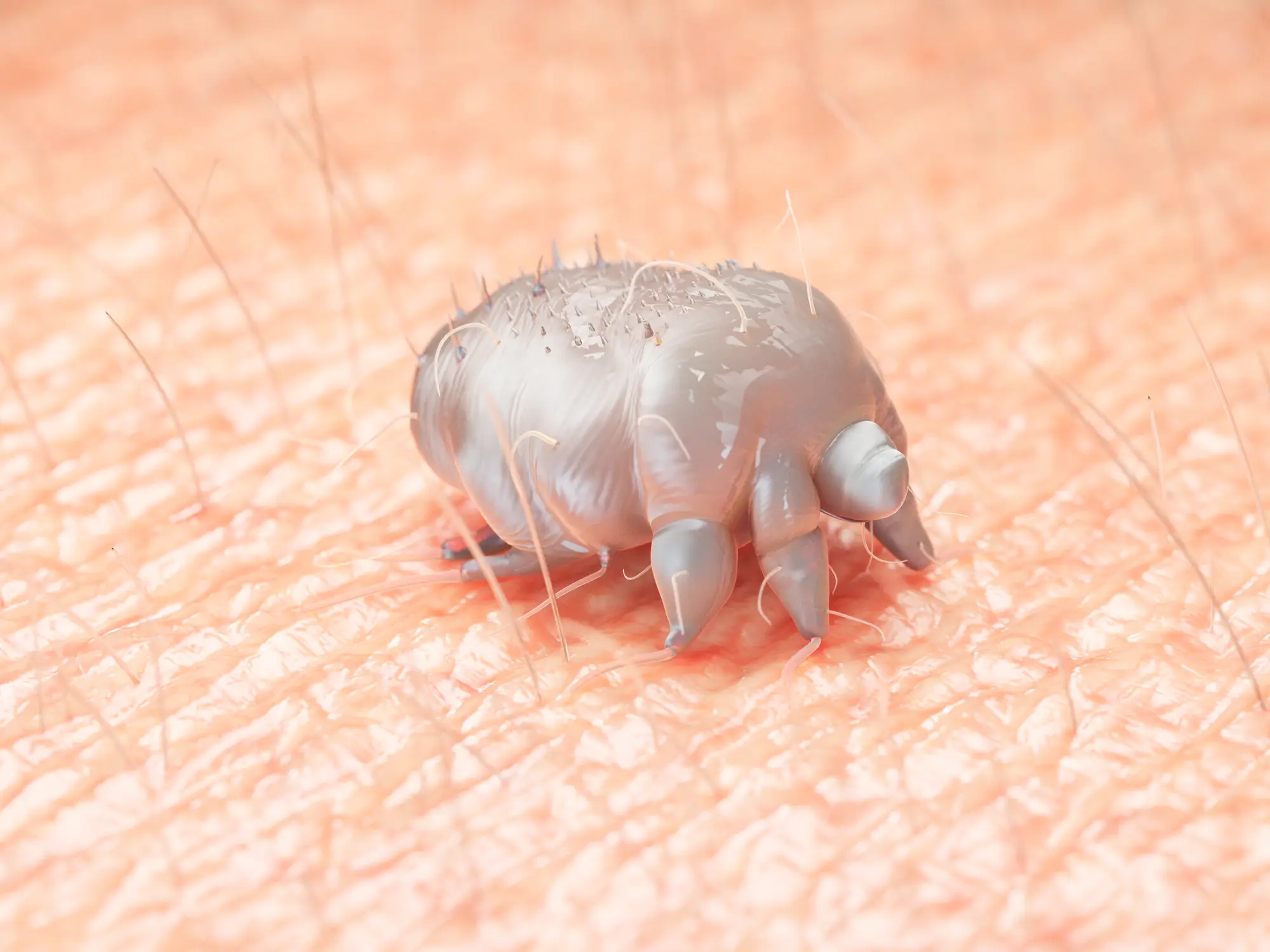
As reported by The Guardian, the mites burrow at a rate of around 0.5 to 5mm per day, yet it takes anywhere between four to six weeks for the symptoms to develop, leaving most victims completely unaware that they've been affected until the rashes start to appear.
One mother revealed when speaking to the newspaper that she was forced to evacuate her home in an emergency after her family contracted scabies, pulling their children out of school to temporarily live in a caravan nearby as there appeared to be no other way to combat the hellish condition.
"It was hell. My mental health was in the pan, the scratching, the itching drives you insane, and the cleaning and laundry, and you feel you can't talk to anybody," she explained, revealing how much it changes your life for the worse.
"It affected our lives so horrendously, I wouldn't wish it on my worst enemy," she continued.

While doctors can prescribe certain medication in an attempt to fight the condition – including permethrin, a synthetic insecticide – it doesn't always seem to work leaving victims of scabies to seek extreme measures such as those mentioned above.
Experts advise that you should wash all bedding and clothes at 60 degrees Celsius or higher, and anything that can't be washed must be quarantined in a bin bag for at least three days so the mites die.
This is because the primary means for the mites to transfer from one individual to another is by skin-to-skin contact, and they can only survive outside of a human body for up to 36 hours.
That doesn't help to deal with the condition once you've got it though, and this becomes especially concerning when the eggs laid by female mites hatch underneath your skin, leaving many to wonder what they can do other than suffer through it all.