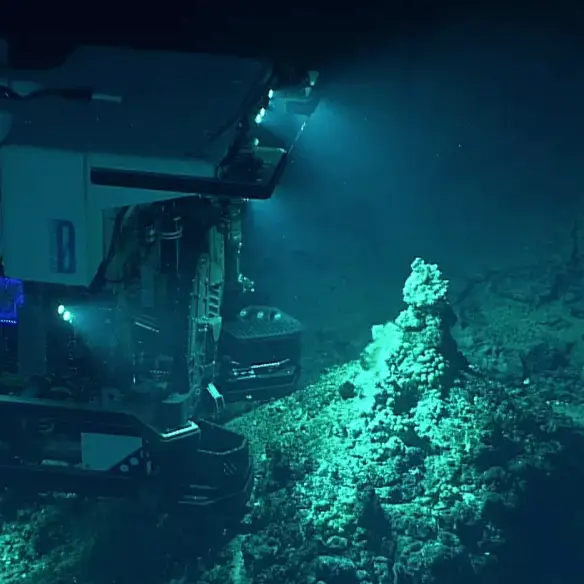
The 'alien world' of the deepest point in the entire ocean


It's often said that we know more about the surface of the Moon than we do about the deepest parts of the ocean on our own planet.
Few things highlight that better than the Challenger Deep. Located around 35,876 feet below the Pacific Ocean's surface, at the very bottom of the Mariana Trench, it's the deepest known part of the seabed.
It's a dark and mysterious place that few people on Earth have ever visited.
But over the years, those who have successfully returned from it have told of the eerie and surprising sights it has to offer.
Advert
It was first discovered 1875, when the research vessel Challenger took soundings in the area and found that it was a lot deeper than anywhere else.
This was confirmed by subsequent tests, and made the Mariana Trench a high priority for marine scientist for decades to come.
It was that Challenger expedition, and a second of the same name in the 1950s that confirmed the depth, which gave the Deep its name.
In 1960 the first human explorers made it down to the bottom, in a simple submersible built to withstand enormous pressure - according to the National Geographic, they reported the impenetrable dark, and "crackling sounds, like ants in an ant hill, little cracking sounds coming from everywhere".
Thesubmersible was called the Trieste, and held Swiss oceanographer Jacques Piccard and U.S. Navy Lieutenant Don Walsh.
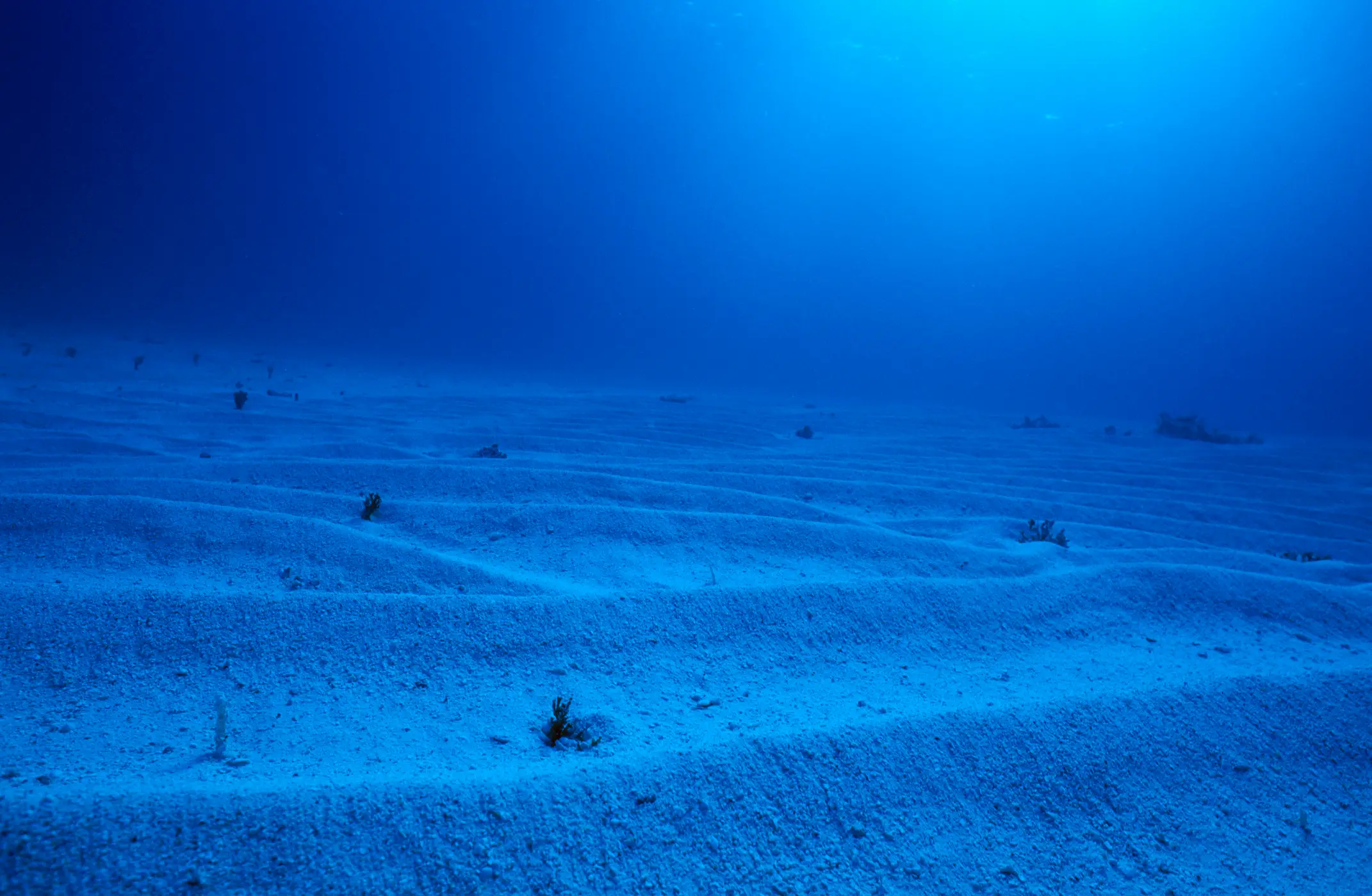
It took five full hours to descend, before they eventually "made a perfect landing on a carpet of uniform ivory color, that the sea had laid down during the course of thousands of years", as Piccard later said.
They could only stay down for around 20 minutes to record some details and make some observations before they had to return to the surface.
Amazingly, this was the only manned mission to the Challenger Deep for decades - the challenge of returning was simply too great, and the risks too high.
Only in 2012 was another manned mission launched, by the famous film director and ocean expert James Cameron, who is known for Titanic and the Avatar movies.
Cameron's descent was quicker and he was able to spend three hours or so at the bottom, collecting samples and taking snapshots of video - including the discovery of an amazing 68 new species.
More missions have followed since, although we're talking only handfuls of people, making Challenger Deep still one of the most unknown places on Earth - and one that few of us will ever get the chance to visit.