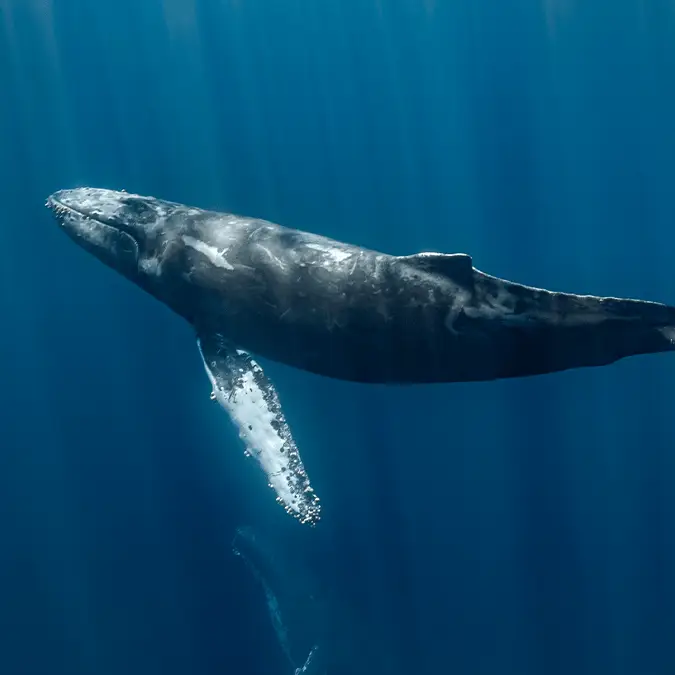
Drones detect highly infectious virus in whales’ breath that triggered multiple mass mortality events


Marine biologists have often witnessed devastating mass stranding events where whales and dolphins wash ashore in groups, often dying before they can be saved.
But technological advances are changing how scientists monitor ocean life. Drones have opened new possibilities for studying marine mammals from a safe distance without causing distress or harm.
Now, researchers from King's College London and The Royal (Dick) School of Veterinary Studies in Edinburgh have used this technology to make a disturbing discovery behind the mass mortality events among the marine mammals.
Advert
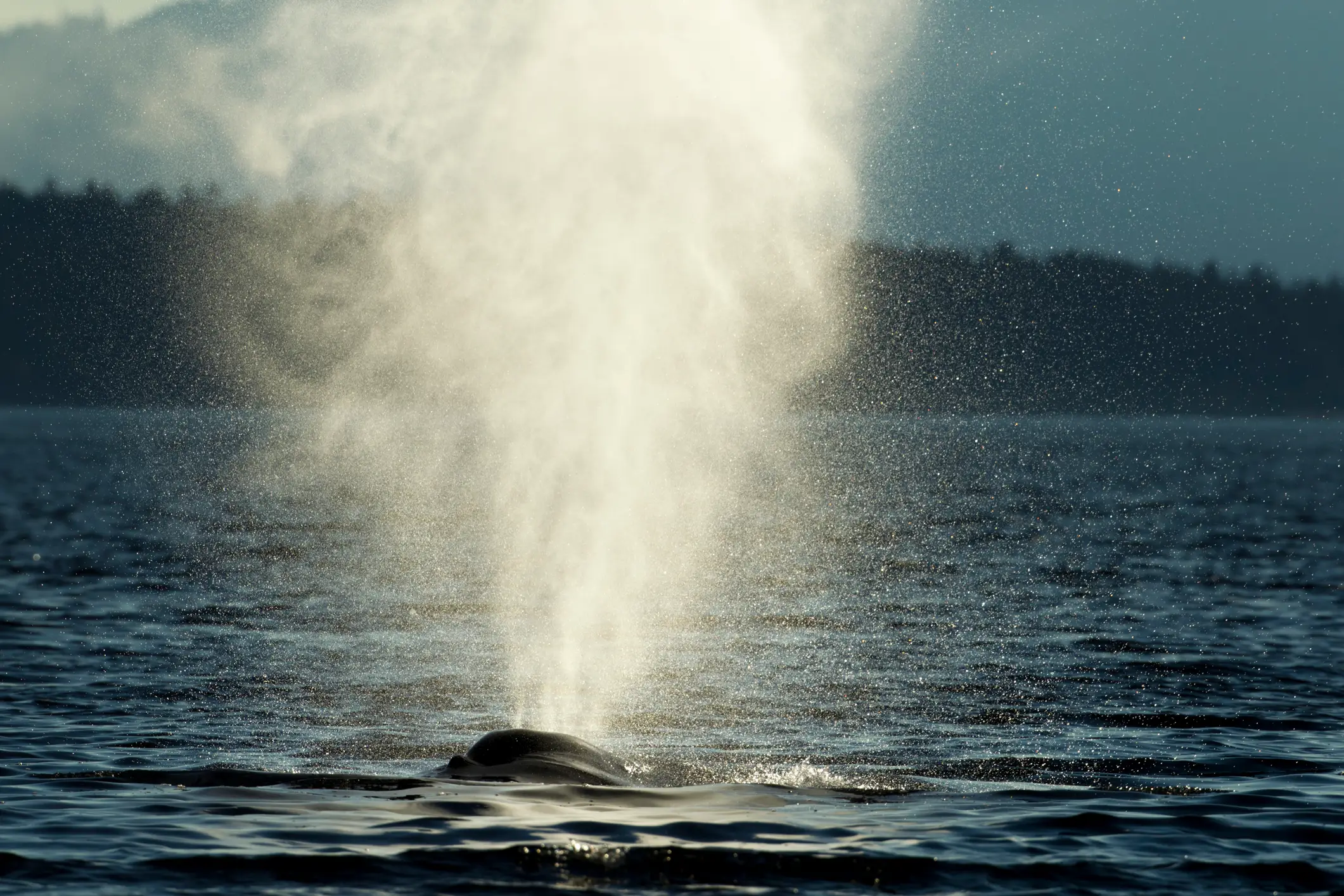
Using drones, special equipment collected the exhaled droplets, known as 'blows,' which are released when whales surface to breathe through their blowholes.
What the team found was a highly infectious virus called cetacean morbillivirus, which is linked to global mass strandings of whales and dolphins. The virus can jump between species and poses a severe threat to marine mammals.
Published in the journal BMC Veterinary Research, the findings could help observers identify deadly threats to ocean life before they spread.
“Drone blow sampling is a gamechanger," said co-author Professor Terry Dawson, from the department of geography at King’s College London. "It allows us to monitor pathogens in live whales without stress or harm, providing critical insights into diseases in rapidly changing Arctic ecosystems.”
For the study, scientists used drones equipped with sterile Petri dishes to hover over whale blowholes and collect the airborne respiratory droplets. Samples were gathered over nine years (from 2016 to 2025) and included data from humpback, sperm, and fin whales across the North Atlantic.
Using molecular lab tests, blow samples, skin biopsies, and in one case, an organ sample, were collected and screened for infectious agents.
Initially discovered in dolphins, the analysis detected cetacean morbillivirus in a group of humpback whales in northern Norway, as well as a sperm whale showing poor health and a stranded pilot whale.
Cetacean morbillivirus causes severe damage to the respiratory, nervous and immune systems of marine mammals, and has been responsible for multiple large-scale die-offs since it was first documented in 1987.
The researchers noted that the results highlight an increased risk of outbreaks during winter feeding periods, when whales gather in large numbers and come into closer contact with seabirds and humans.
Furthermore, herpes viruses were also found in humpback whales in waters around Norway, Iceland and Cape Verde. However, no evidence was found of avian influenza virus or Brucella bacteria, both of which have been previously linked to strandings.
"Going forward, the priority is to continue using these methods for long-term surveillance, so we can understand how multiple emerging stressors will shape whale health in the coming years,” explained Helena Costa, lead author at Nord University.