
DNA discovery sheds new light on the origins of Biblical Shroud of Turin


New DNA analysis has given researchers a new insight into the true origins of the historic 'Shroud of Turin'.
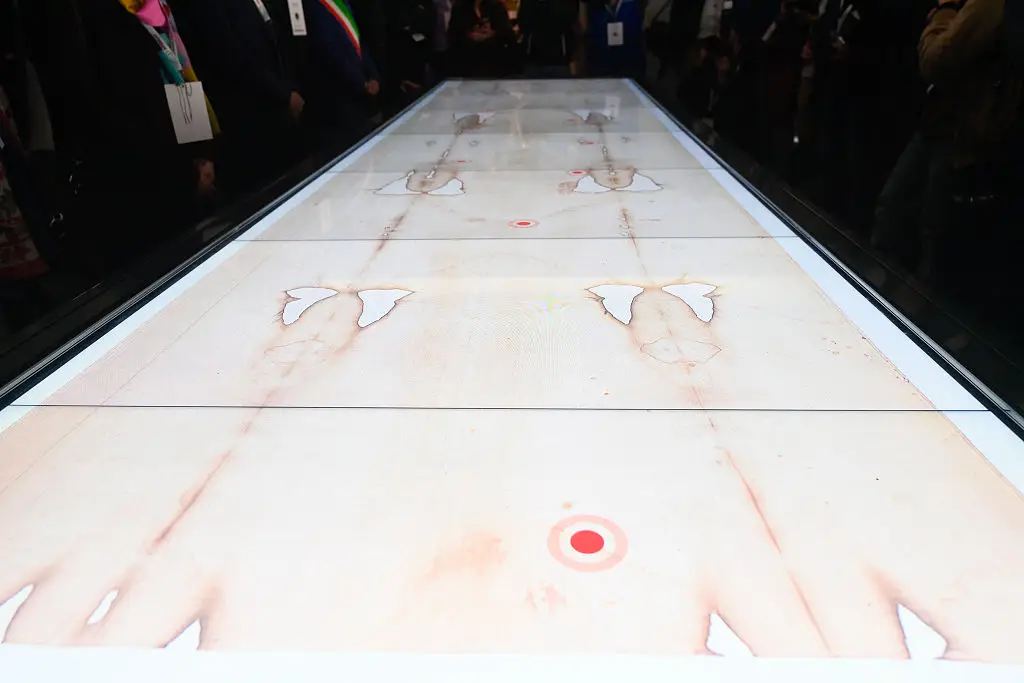
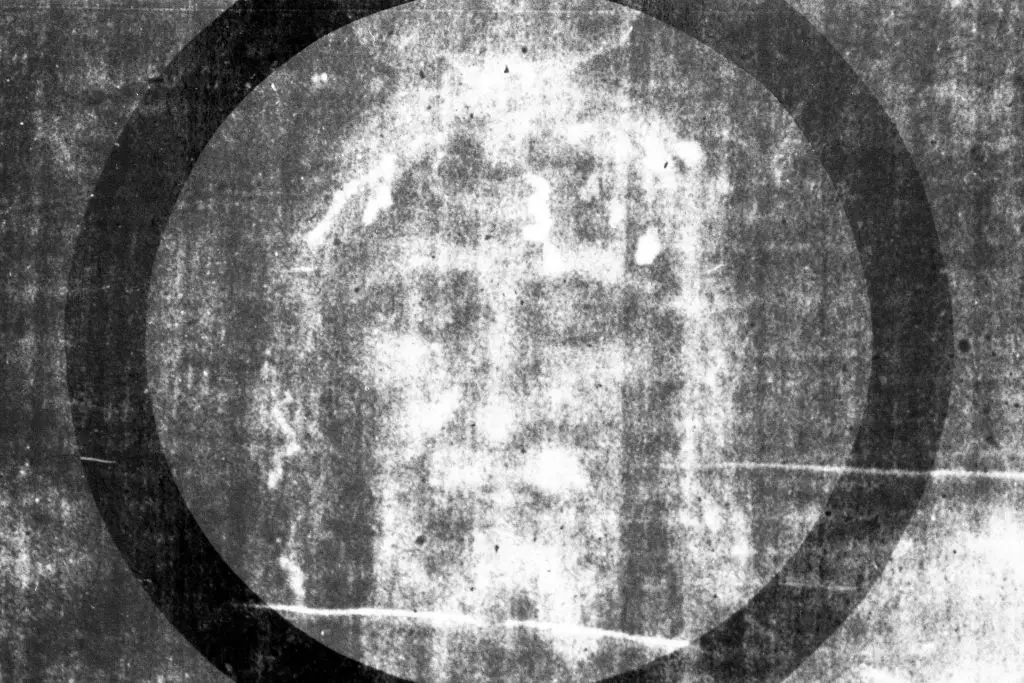
Few objects in human history have provoked as much fascination and controversy as the Shroud of Turin. Measuring 4.4 metres long and 1.1 metres wide, the linen cloth is believed by millions of Christians to be the burial cloth of Jesus Christ, bearing the imprint of his body after the crucifixion, according to New Scientist.
For centuries, it has been believed to be one of the most sacred relics in existence, drawing pilgrims from across the world to the Cathedral of Saint John the Baptist in Turin, Italy, where it has been housed since the 16th century.
Advert
However, where it came from has never been definitively answered and a new DNA analysis has just made it much more complicated.
Scientists from the University of Padova in Italy analysed material collected from the shroud back in 1978 and found that nearly 40% of the human DNA on the cloth is from Indian lineages.
“The presence of 38.7 per cent of the overall human genomic data from Indian lineages is unexpected and is potentially linked to historical interactions associated with importing linen or yarn from regions near the Indus Valley,” the researchers wrote, as per the Independent.
One possibility they have raised is that the Romans imported linen or yarn from the Indus Valley region, which may have introduced Indian DNA to the cloth long before it ever reached Europe.
Researcher Gianni Barcaccia's latest analysis has supported those findings.
Turns out, beyond the human DNA, traces from domestic cats and dogs, farm animals and wild species, including deer and rabbits, were all identified.
Fish species such as grey mullet, Atlantic cod and ray-finned fishes were also found, alongside marine crustaceans and arachnids like dust mites and ticks.
Moreover, plant DNA was discovered on the cloth including carrots, wheat, peppers, tomatoes and potatoes. Several of which were only introduced to Europe after explorers began travelling to Asia and the Americas.
"Our findings highlight its [the shroud's] preservation conditions and environmental interactions, offering valuable perspectives into the identified genetic variants, which originated from multiple biological sources," wrote the team in the study (as shared by NDTV).
However, since the shroud would have been handled by many people over the centuries, it's not possible to pinpoint exactly where any contamination occurred.
"The Shroud came into contact with multiple individuals, thereby challenging the possibility of identifying the original DNA of the Shroud," they added. "The DNA traces found on the Shroud of Turin suggest the potentially extensive exposure of the cloth in the Mediterranean region and the possibility that the yarn was produced in India."