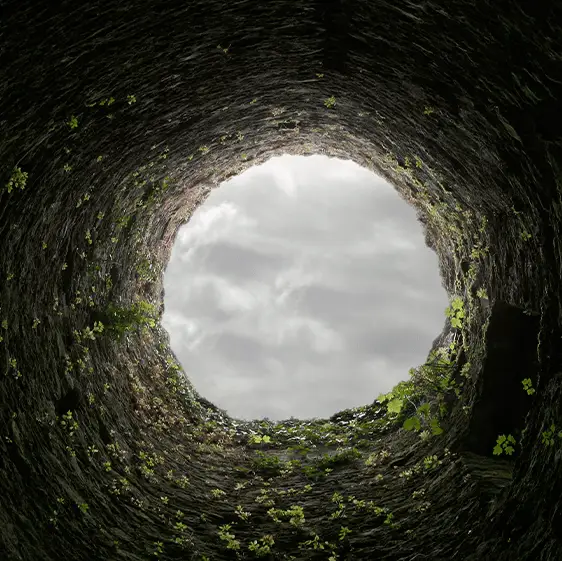
Fascinating discovery scientists made after digging the deepest hole on Earth plunging 40,230 ft underground


We've all seen those movies where digging deep beneath the Earth's surface ends up in some horrifying discovery, and if you've ever watched The Descent, you'll know nothing good can come from poking around underground. Still, there was a morbid curiosity when scientists went digging around in the world's deepest hole.
So, what did they discover when they dug a mere 40,230 feet underground?
Known as the Kola Superdeep Borehole SG-3, this Russian dig has been the deepest man-made hole on Earth since 1979. The SG-3 hit the all-important depth of 40,230 ft in 1989, with research into the makeup of the Earth's crust and to look at seismic activity. Nicknamed the 'entrance to Hell', the SG-3 was almost as deep as the combined heights of Nepal's Mount Everest and Japan’s Mount Fuji. Notice how we say 'was' because the Kola Superdeep Borehole SG-3 is no longer open.
Advert
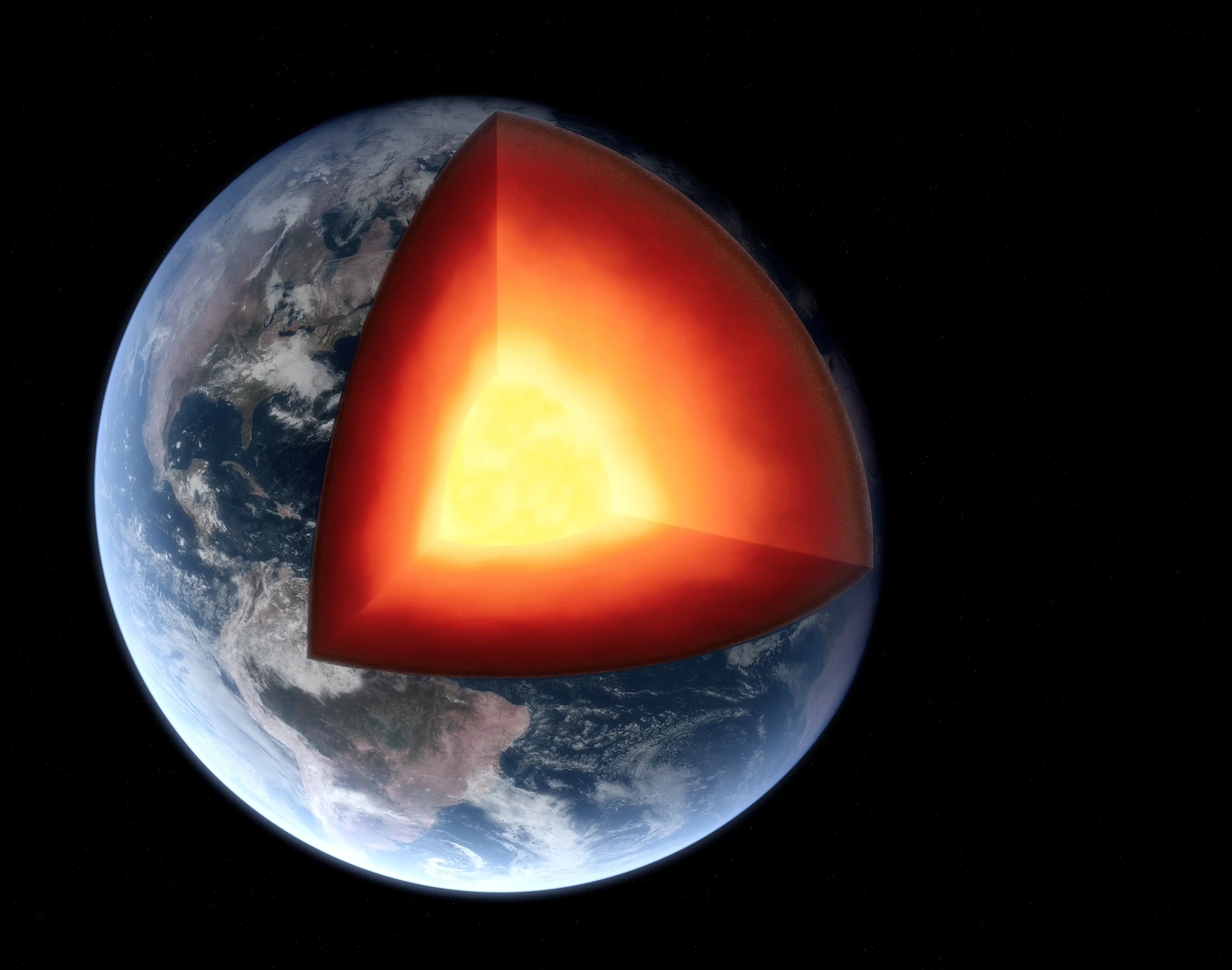
Although the SG-3 only got around a third of the way deep into the Earth's crust, drilling was stopped in 1992 and then things started to fall apart due to a lack of funding in 1994. The scientific team was dissolved in 2007, and in the end, the borehole was sealed shut. It still attracts visitors to this day, although now surrounded by debris, it's a far cry from what it used to look like.
A new YouTube short explains how the SG-3 was only 23cm wide, but despite its tiny width, scientists struggled to get to the record-breaking depth. As temperatures reached a toasty 356 degrees Fahrenheit (180 degrees Celsius) on the way down, equipment started melting and the rocks were more like plastic - making drilling difficult.
Scientists had to adapt, creating a new drill bit that only rotated at the tip and could be lubricated with liquid mud. These innovations led to scientists discovering a new kind of water that was created from squeezing hydrogen and oxygen out of rocks.
The spot in northern Russia above the Arctic Circle penetrated rocks that are over 2.5 billion years old, where the team also unearthed a new species of microfossils, unusual rock formations, and some unexpected gasses.
There were plans to take the SG-3 all the way down to 15,000 meters, but with temperatures expected to reach a jaw-dropping 572°F (300°C), things wouldn't have been able to continue without a scientific breakthrough. It's unclear whether we could've kept going, but with the project being axed decades ago, it's been resigned to history books.
Although many associate Russia's supersized Mir Mine with being the world's biggest hole, its depth is dwarfed by the SG-3. While the deep hole race was once compared to the space race, the shovels are down and the drills have stopped. Then again, with harrowing videos showing what would happen if you fell into the Kola Superdeep Borehole SG-3, maybe it's for the best that drilling was halted.