
Archaeologists finally uncover location of Alexander the Great's ancient city after 2,000 years


Many things have been lost to history and are thought to be gone forever, but while the likes of the Colossus of Rhodes and the Lighthouse of Alexandria are seemingly no more, archaeologists have finally uncovered the location of a forgotten ancient city – some 2,000 years later.
Alexander the Great remains one of history's greatest and most accomplished military leaders, with the Macedonian ruler being remembered as an unbeaten military genius who built one of the ancient world's largest empires before his 30th birthday. In just over a decade, he conquered the massive Persian Empire, spreading Greek influence and establishing the Hellenistic Age.
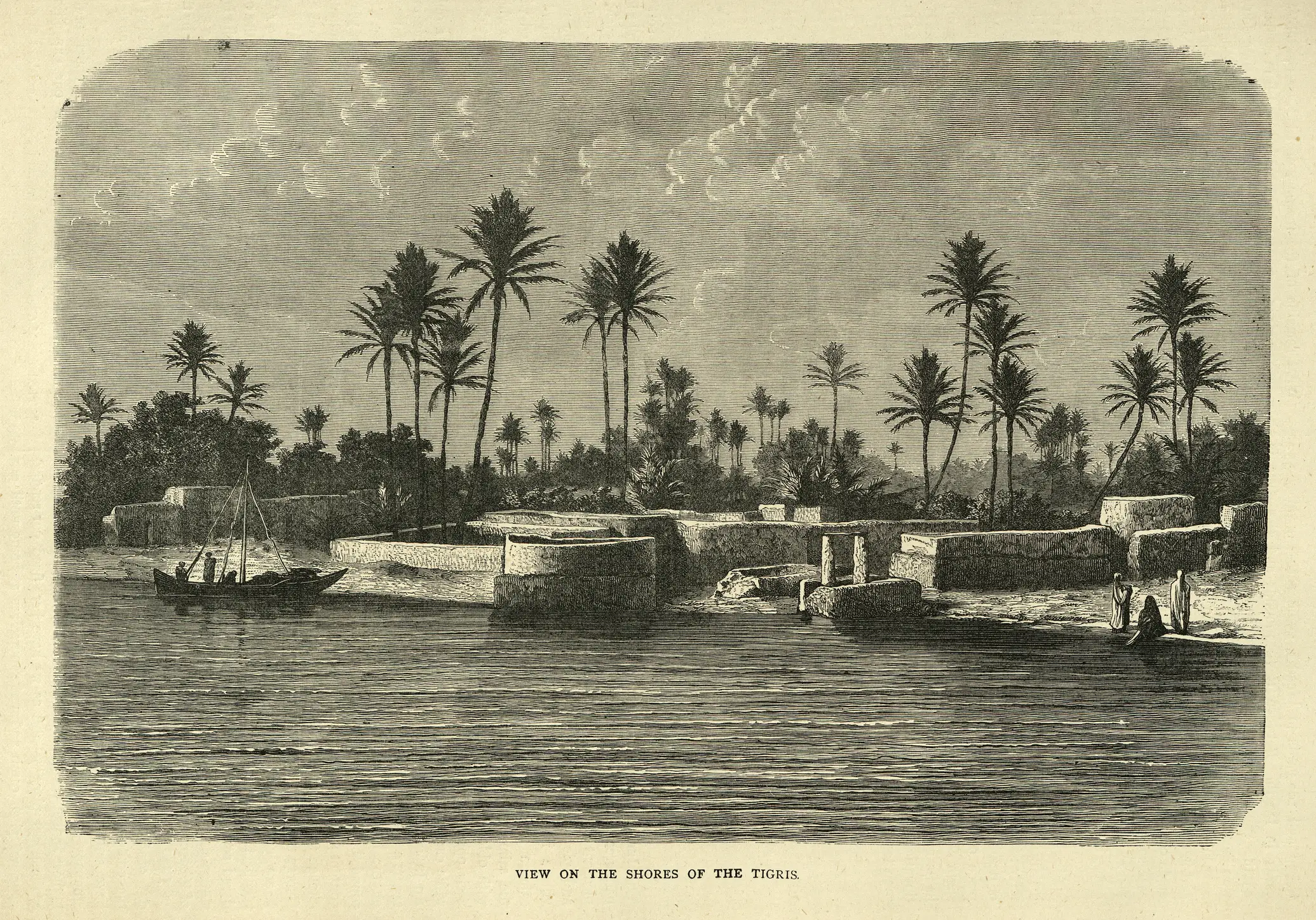
Now scientists believe they have located a long-lost city founded by the legendary king. Known as Alexandria on the Tigris, the ancient city sits in southern Iraq, near the Persian Gulf.
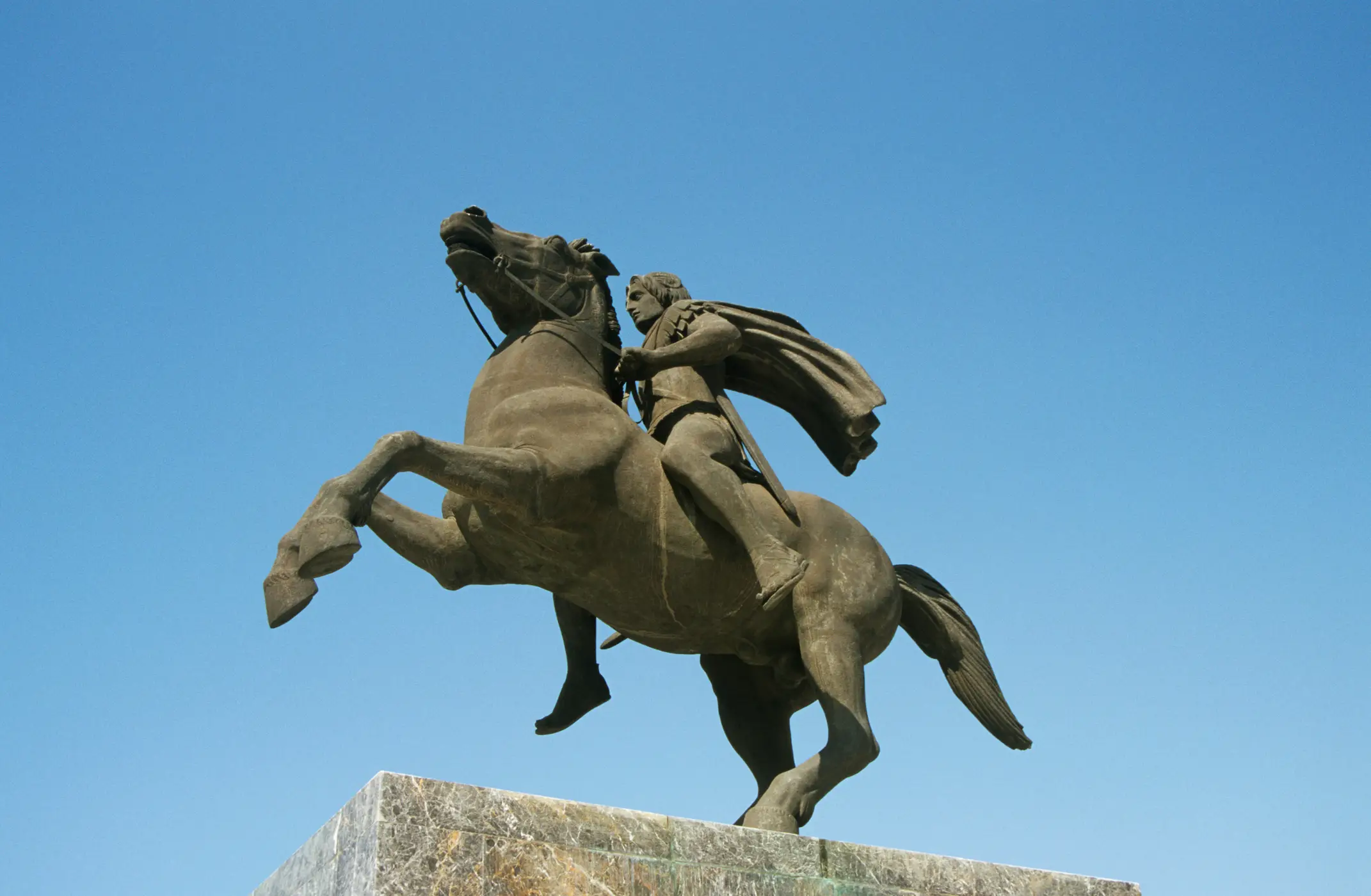
Originally established in the fourth century BC as a crucial port connecting trade routes from India to Mesopotamia and the Mediterranean region, the city gradually disappeared from history after the third century AD, when the Tigris River changed course.
Advert
Thanks to drone imagery and high-resolution geophysical scans, the excavation team managed to map the city's fortification walls, street grids, and city blocks.
Despite experiencing 'repeated flooding,' Alexandria on the Tigris was surprisingly intact, complete with temple complexes, workshops with kilns and furnaces, and the remains of the city's harbour and canal system.
Speaking to Fox News Digital, Stefan R. Hauser, an archaeology professor at the University of Konstanz, explained that Alexandria on the Tigris was founded during a time when southern Mesopotamia desperately needed a new harbour for Indian trade.
Citing the author Pliny the Elder, Alexander the Great was reportedly drawn to the location's strategic river and selected the site in 324 BC. "The size of the city blocks is extraordinary," said Hauser, surprised at the city's 2.5 square miles. "It surpasses even those of the major capitals of the time, like Seleucia on the Tigris or Alexandria on the Nile."
He added: "The quality of the geophysical evidence is absolutely stunning…The preservation of buildings is surprisingly good, and we started identifying the walls immediately beneath the surface, which also accounts for the good results in geophysical exploration."
The research project began in 2016 under British archaeologists Jane Moon, Robert Killick, and Stuart Campbell, whom Hauser credited with initiating the work.
Soon, the team hopes to investigate the city's districts, workshops, and kilns, depending on available funding.
Hauser claims the site could expand our understanding of the understudied Parthian Empire, which controlled the city centuries after Alexander's conquest.
"There is not a single useful summary [of] its history, structure and culture," said Hauser, adding that the city is “well suited for this kind of research, because there has been no later building activity since antiquity.”
The archaeologist concluded: "We have the nearly unique chance to reconstruct an entire city plan [through] geophysical research, and currently hope to complete geophysics this year."