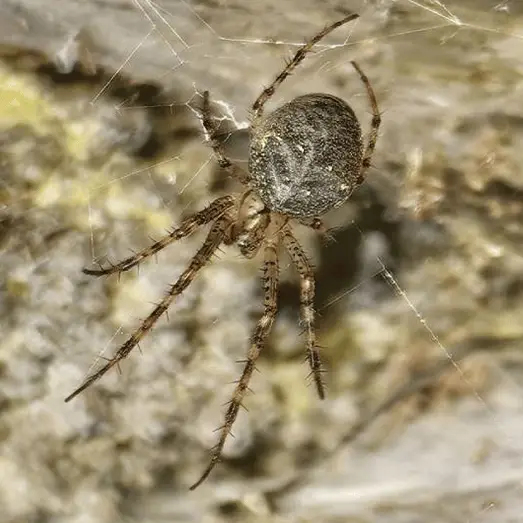
World's largest spider web covering 1,140 square feet discovered deep inside 'sulphur cave'


This next read might not be one for those who suffer from arachnophobia, as the world's largest spider web has apparently been found, spanning a massive distance and containing hundreds of thousands of those eight-legged freaks.
We blame Hollywood for perpetuating the growing fear of spiders, with movies like Arachnophobia making some break out in a cold sweat. Up there with claustrophobia and a fear of heights (acrophobia), arachnophobia is one of the most common. This intense fear of spiders is so bad, Warner Bros. Games was forced to introduce a spider-free mode to 2023's Hogwarts Legacy.
Unlike some suffering from the somewhat irrational megalophobia, arachnophobia can be an everyday occurrence as those little beasts crawl into our homes.
While countries like Australia are known for having much more deadly species of spider, they're still something that many Americans will worry about as they lurk in sheds, hide in our shoes, and drop into our open mouths at night.
Advert
Arachnophobes might want to avoid visiting a specific cave on the Albanian–Greek border, as Live Science reports on the world's largest spider web being found there. Sitting just 50 feet from the entrance to the 'Sulphur Cave', the world's largest spider web is said to cover a jaw-dropping 1,140 square feet.
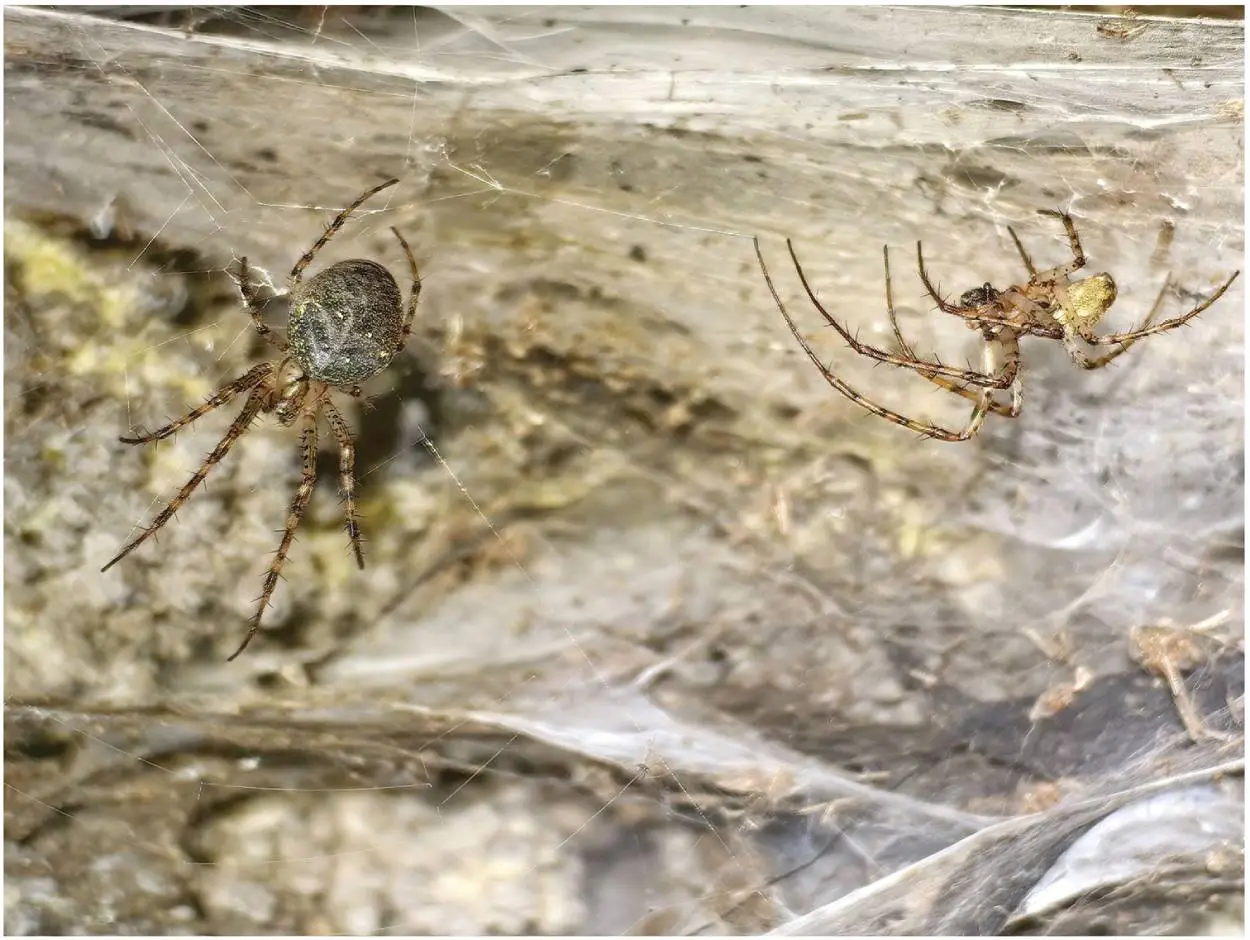
This network of funnel-shaped webs is said to be home to the species of Tegenaria domestica (the domestic house spider) and Prinerigone vagans. Neither is too much to be worried about, especially as Prinerigone vagans are a small, moisture-loving species that are typically just 3mm in length.
Still, this isn't the kind of web you'd want to walk into because it's said to hold up to 110,000 of the little critters.
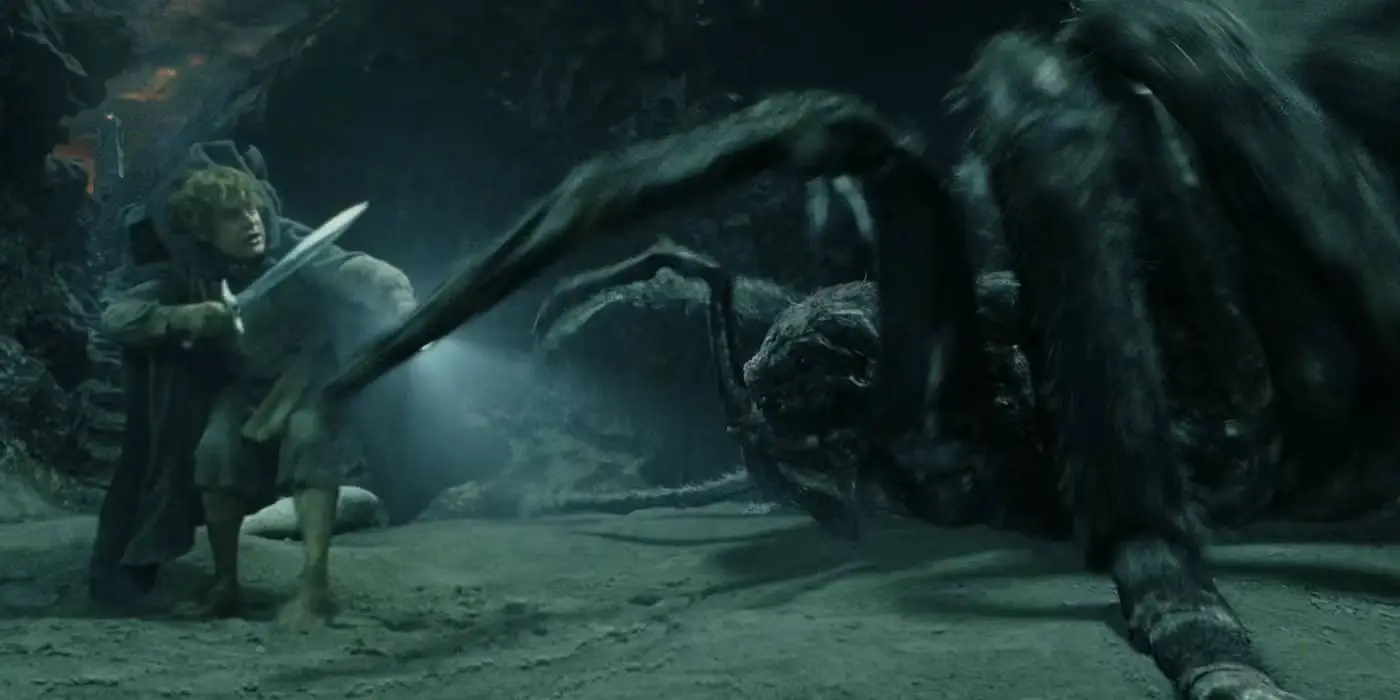
The massive web has been compared to that of the mythical Shelob from The Lord of the Rings. Visitors to the Sulphur Cave hopefully won't be snared in these webs and dragged away as Shelob did to her victims.
Published on October 17 in the Subterranean Biology journal, this 'extraordinary' discovery is said to be the first evidence of colonial behavior between two common spider species. Study leader István Urák is an associate professor of biology at Sapientia Hungarian University of Transylvania in Romania and remains convinced this is the biggest spider web in the world.
Speaking to Live Science via email, Urák explained: "The natural world still holds countless surprises for us.
“If I were to attempt to put into words all the emotions that surged through me [when I saw the web], I would highlight admiration, respect, and gratitude. You have to experience it to truly know what it feels like."
His team wasn't the first to discover the web, as cavers with the Czech Speleological Society stumbled across it during a 2022 expedition in the Vromoner Canyon. Scientists then visited the cave in 2024 and plucked specimens from the web for Urák to analyze before he undertook his own trip.
More than this, the 110,000 spiders are thought to represent the largest colony in the world. Urák concluded that while they can often be found near human dwellings, this is "a unique case of two species cohabiting within the same web structure in these huge numbers."
The Tegenaria domestica would typically feast on the Prinerigone vagans, but it's suspected that the poor lighting in the Sulphur Cave has saved the latter from becoming a meal.
Instead, both are said to chow down on non-biting midges that feast on the microbial biofilms that line the cave.
Most fascinating, the spiders inside the cave are said to be different from those found outside, suggesting they've adapted to these extreme conditions.