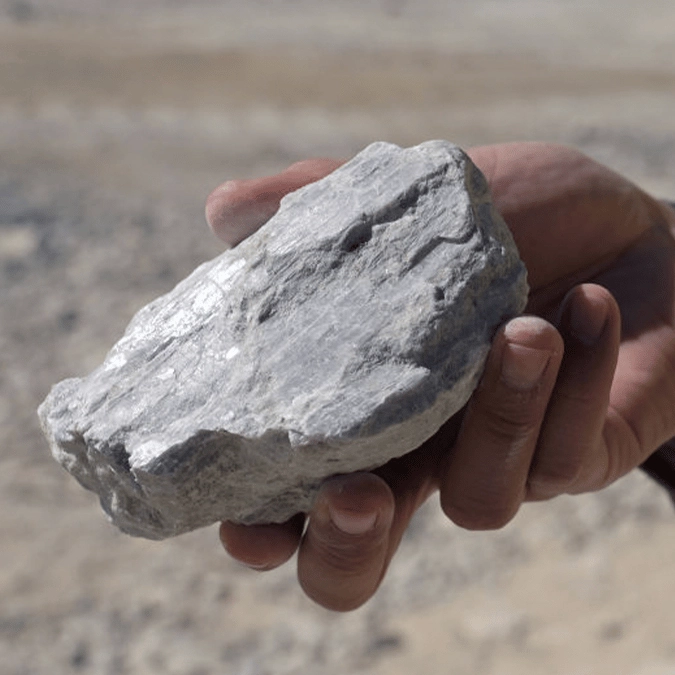
World's largest lithium deposit worth $1.5T is hiding beneath an Oregon supervolcano


As the world shifts toward cleaner energy, the demand for lithium is skyrocketing.
It's the key ingredient in rechargeable lithium-ion batteries that power our smartphones, laptops, electric vehicles, and large-scale energy storage systems that help balance renewable power on electrical grids.
Researchers predict global lithium demand could hit one million tonnes per year by 2040 - that's eight times what was produced in 2022.
But now a research team have just discovered something that could help solve that problem.
Advert
Beneath an ancient volcanic crater straddling the Nevada-Oregon border lies what scientists now believe could be the world's largest lithium deposit.
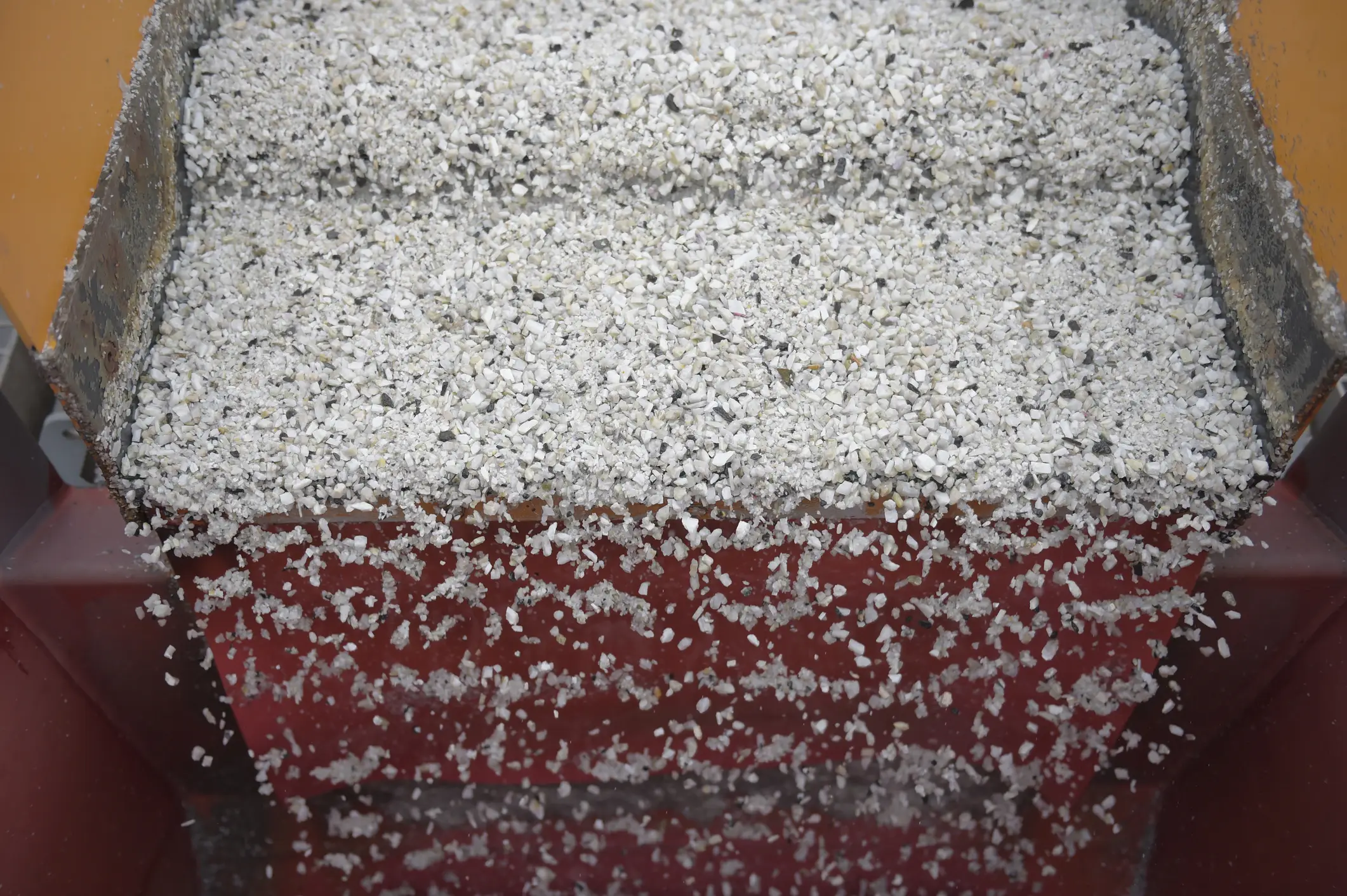
The enormous cache of lithium-rich clay could reshape the global battery market for decades to come.
According to a new study, the McDermitt caldera could contain between 20 and 40 million metric tons of lithium, likely making the largest deposit ever identified. With lithium currently selling for about $37,000 per ton, they're looking at about $1.5 trillion worth of material readily available.
The deposit sits within a caldera, a massive volcanic crater that forms when a magma chamber collapses after a major eruption. This basin stretches roughly 28 miles north to south and 22 miles east to west along the Nevada-Oregon state line.
The research was led by Dr. Thomas R. Benson at Lithium Americas Corporation (LAC), who specialises in studying how lithium-rich minerals develop in volcanic regions.
About 16 million years ago, a catastrophic volcanic eruption emptied much of the underground magma chamber in this area. The massive blast deposited thick layers of hot ash that eventually cooled and hardened into volcanic rock covering the caldera floor.
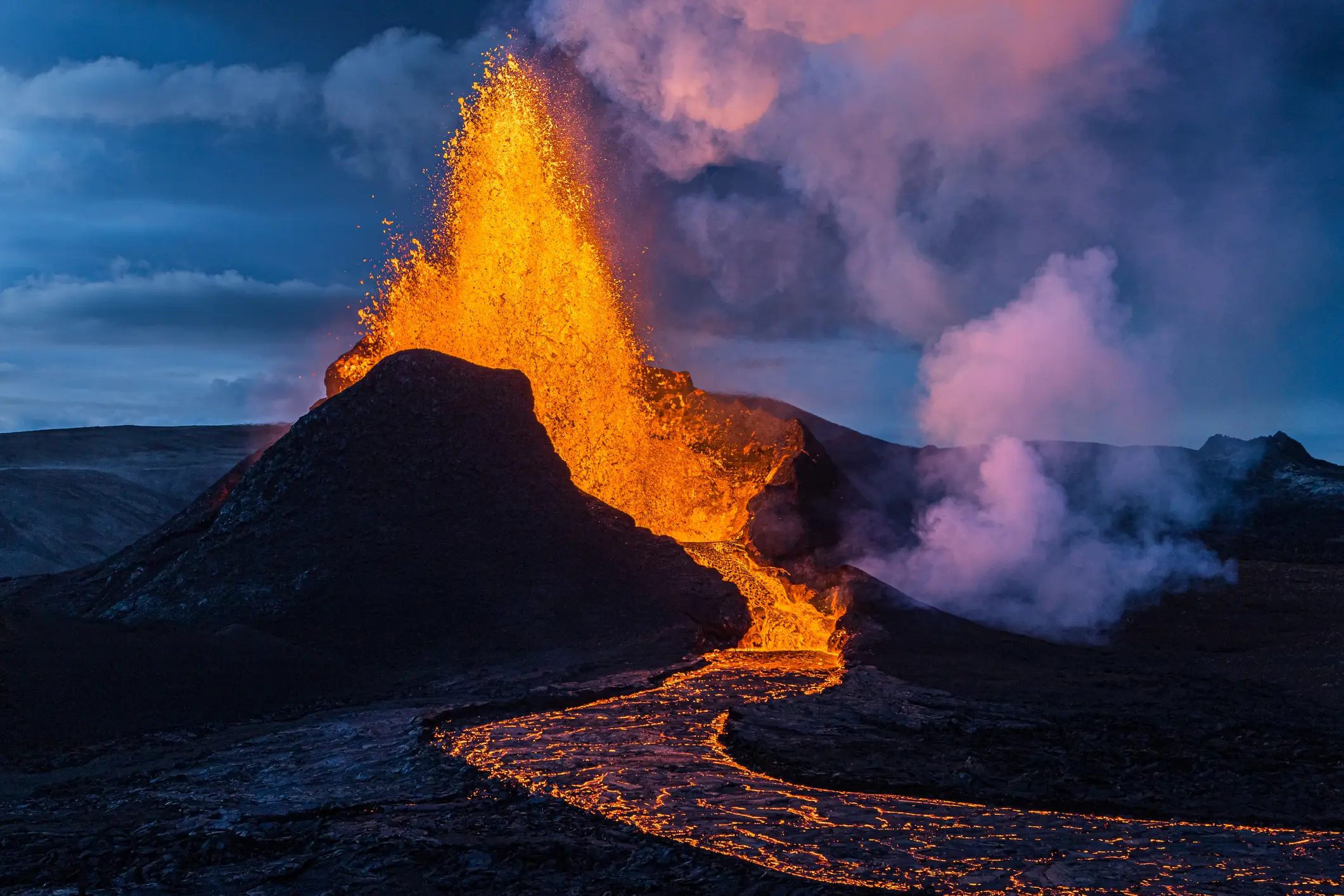
Over time, the crater filled with a long-lasting lake that collected volcanic ash and sediment. These materials gradually formed what geologists call lacustrine claystones, which now trap most of the lithium-rich clay.
Meanwhile, the leftover heat from the volcano kept pushing hot, mineral-rich water up through the rocks long after the first eruption. The fluids carried lithium and other elements from volcanic glass and took them upwards into the wet lake sediments.
Through this chemical process, the lake mud first transformed into smectite - a magnesium-rich clay capable of absorbing lithium into its structure. Later, as hotter fluids circulated through the area, portions of that smectite converted into another type of clay called illite, which locks in significantly more lithium.
Finding this much lithium in the US is huge in itself, but what makes this discovery even more valuable is its accessibility. The high-grade illite layer sits relatively close to the surface, making large-scale open-pit mining feasible without having to tunnel deep underground.
Geologist Thomas R. Benson and his research team have reported lithium concentrations of approximately 1 percent by weight in the most promising sections of the deposit.