The world’s largest ice tank recreates brutal Arctic conditions and reveals what really happens to ships there


The largest ice tank in the world is used to recreate the brutal conditions of the Arctic and is giving experts a closer look at how this impacts ships.
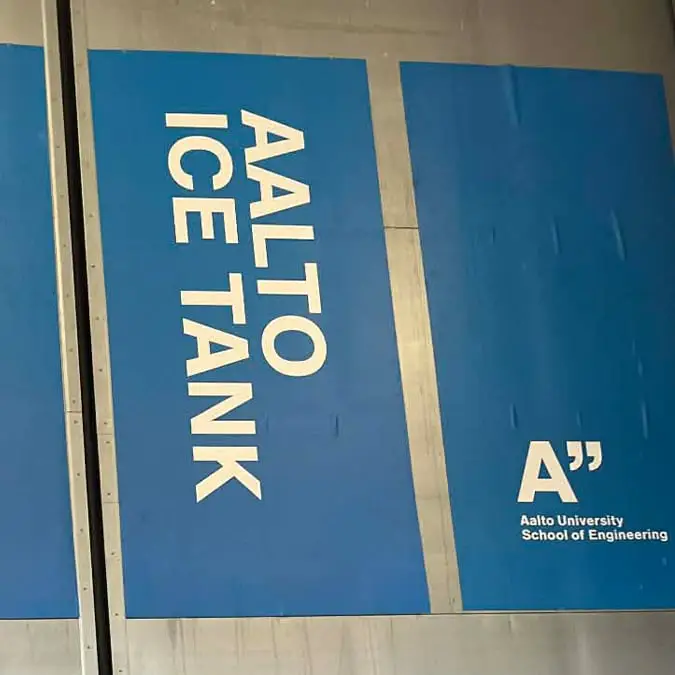
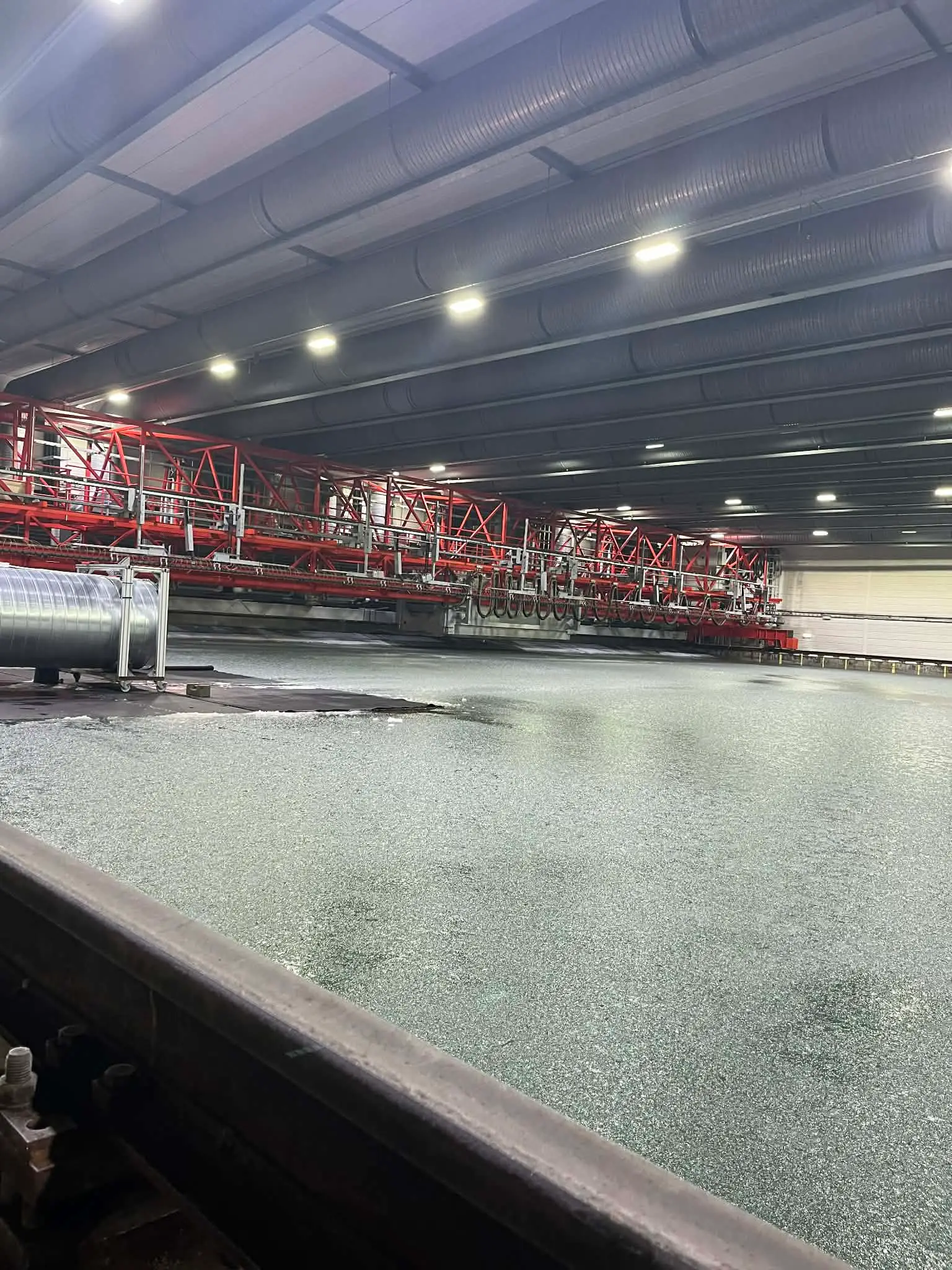
The Aalto Ice and Wave Tank is located in Helsinki, Finland, and is considered to be the largest of its kind in terms of surface area, measuring at 40 by 40 meters (131 by 131 feet).
This means it is one of the only ice tanks on the entire planet that is large enough to study the performance of large vessels and offshore structures in ice.
Advert
The Aalto Ice and Wave Tank is operated by Aalto University, School of Engineering, and plays an integral role in the research and teaching of the Department of Mechanical Engineering.
So, how does it work? The tank is equipped with advanced cooling and icemaking systems in order to create ice used for testing out models of modern ships.
This enables experts to test out how the ships interact with ice and maneuver around it, as well as the vessels’ resilience in adverse conditions.
The tank is also vital to research in the climate change field as it is the only one of its kind with a built-in wave-maker and is part of pioneering experiments on things like wave-induced ice breakup.
Take an exclusive look at the Aalto Ice and Wave Tank in the video below:
According to Aalto University, this particular ice basin is unique as, typically ice tanks are long and narrow while wave tanks are usually wide.
However, Aalto Ice and Wave Tank is the only one in the world with a wide basin that allows for experiments using both ice and waves.
How can the ice tank assist climate change research?
In terms of making waves in climate change research (no pun intended), the ice tank essentially acts as a ‘mini Arctic’, giving scientists a scaled-down look at various factors related to global warming.
This includes things like how the warming oceans and melting icebergs are contributing to rising sea levels, and can help to provide more accurate forecasts of climate impact.
Long story short - the tank will help researchers to further study how ice is responding to the warming of the oceans and will provide experts with vital information on risk predictions and adaptation strategies.
It is hoped that this will not only enable manufacturers to build more resilient ships to traipse through some of the planet’s toughest waters - such as Finland’s Ice Breaker ships, but it will also give scientists the tools to combat ice melting head on.