People are just now realising what 'QR' actually stands for in QR code and it's not what you'd expect


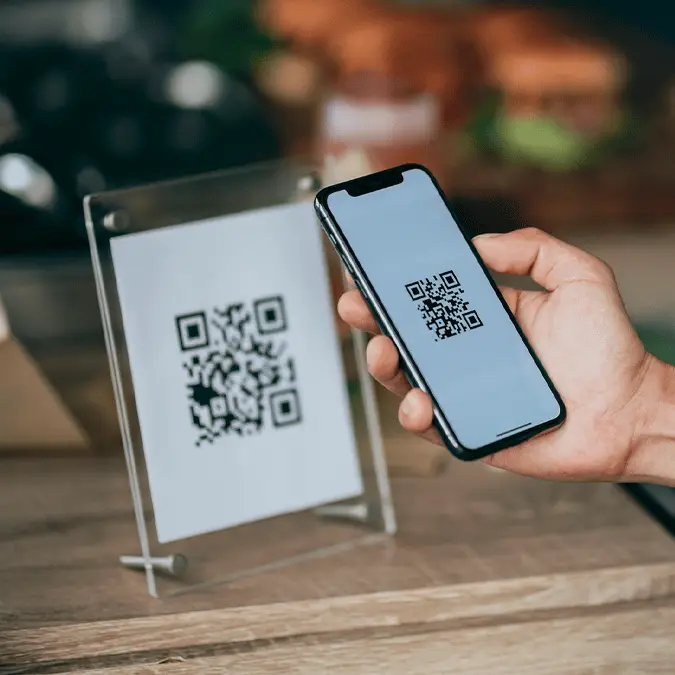
QR codes are everywhere these days yet few people will stop to think about the meaning behind the useful tool, leaving many surprised when they realize what the initialism actually stands for.
While they were invented all the way back in 1994, QR codes really only exploded in popularity after phone cameras were able to natively scan them without the use of an external app.
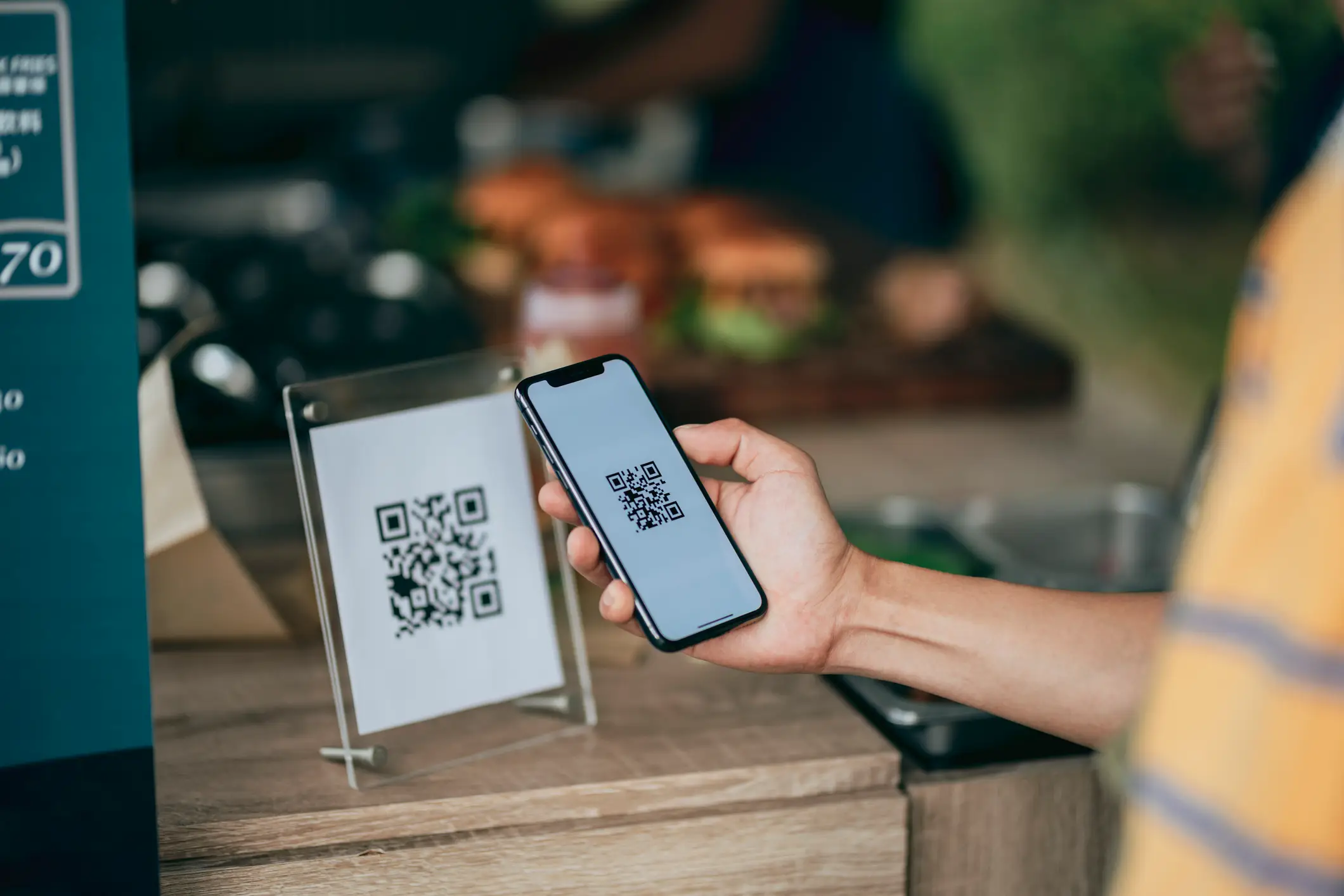
You often see them on posters, information boards, and they're now frequently used for menus and ordering in restaurants after the COVID-19 pandemic — much to the chagrin of some disgruntled individuals.
They are also something that you have to watch out for following an increase in QR code-related scams known as 'quishing' attempts, as cybercriminals can hide fake malicious pages on the end of these codes and you'd be none the wiser.
Advert
Have you ever wondered what it actually stands for though? Thankfully social media shares the same inquisitiveness, but you'll be greeted with an answer you might not expect.
This question was originally prompted following a post from 'thefarmersheep' on X, where they pondered the etymological origins of the popular initialism.
They were quickly greeted with numerous replies, all of which point to the answer that QR stands for 'quick response' — something that makes plenty of sense when you think about it.
It was originally invented by Masahiro Hara who worked at Japanese automotive components company Denso Wave, and the first QR codes were used to label various parts manufactured by the company.
Its design was influenced by the white and black pieces on a Go board, and while you might have heard rumors that we're soon going to 'run out' of possible QR code generations, that's thankfully far from the case.
The maximum number of bits within any given QR code is 23,624, so running through every possible combination would leave you with a theoretical maximum of 2^23,624 unique combinations, which is a larger number than all of the atoms in the known universe combined.
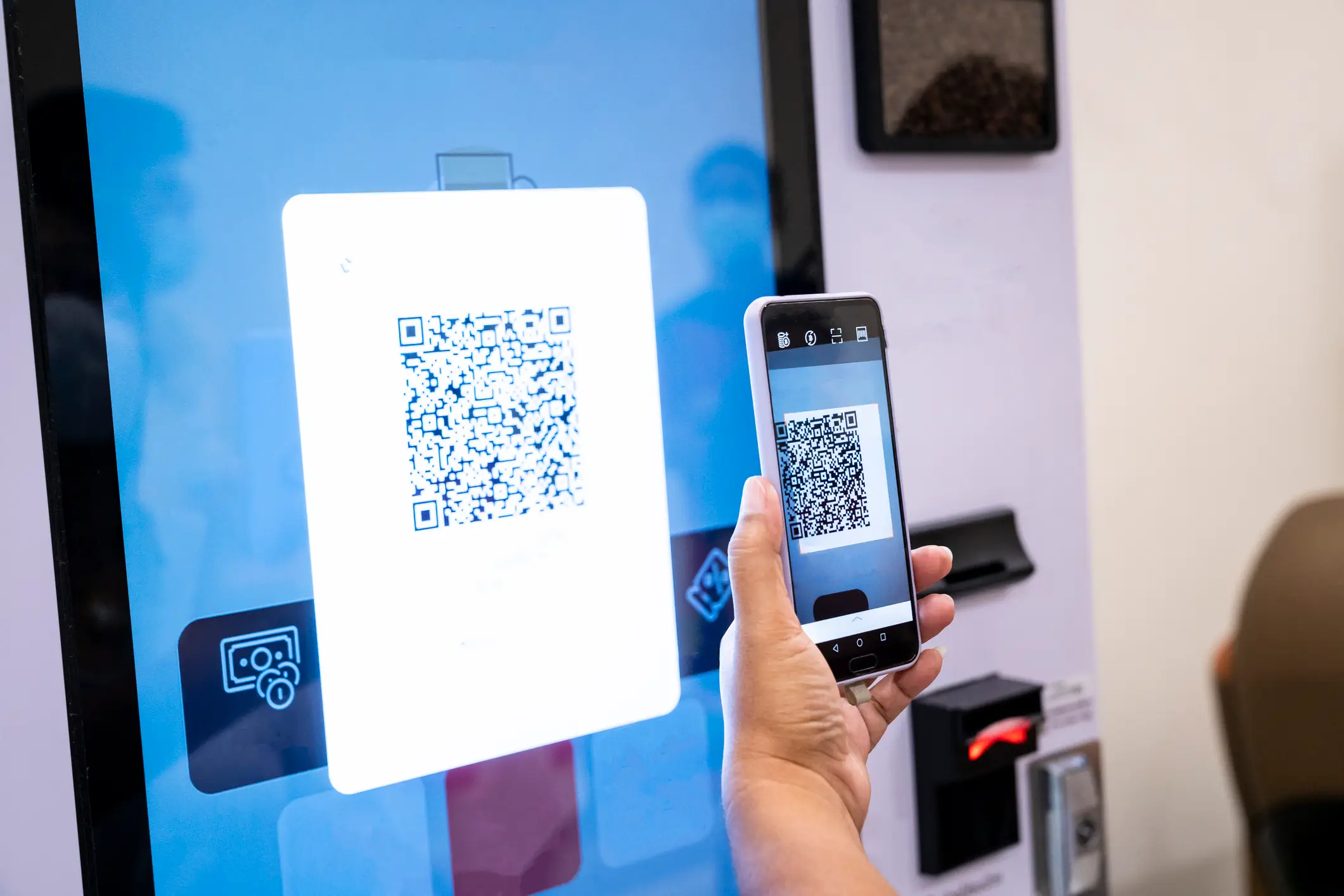
No matter how many menus are created or links attached to marketing posters, it's practically impossible for humans to ever run out of QR codes despite the visual similarities between combinations seeming close to the human eye.
It certainly gives you something to think about next time you're about to scan one, as while you should also be on the lookout for potential scams, you'd be wise to consider the wondrous nature of this otherwise simple invention.