Scientist finally decodes one of last remaining Dead Sea Scrolls to reveal 2000-year-old biblical writings


Talk about taking your time. We know everyone might be feeling a bit sluggish after the festive period, but it's taken scholars an age to decode some biblical writings. Then again, with the text itself being from over 2,000 years ago, it's fair to say that language has evolved a bit since then – after all, we've now got LOL in the dictionary.
While not quite as monumental as the supposed discovery of Noah's Ark or revealing how Jesus apparently really died, this is still a massive discovery that sheds new light on the Christian and Rabbinic Judaism faiths.
Discovered over ten years between 1946 and 1956 in Palestine's Qumran Caves, scientists have spent the last 70 years trying to unlock the secrets of the Dead Sea Scrolls.
Dating back to periods between the 3rd century BCE to the 1st century CE, it's said that the Dead Sea Scrolls are the oldest surviving manuscripts of entire books that were later included in the biblical canons.
Advert
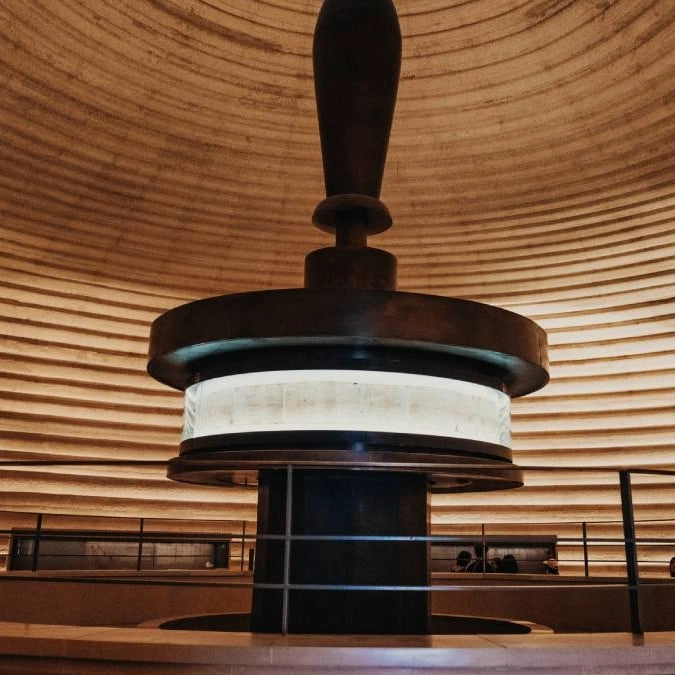
As you can imagine, this is quite the find, with almost all of the 15,000 scrolls and various scroll fragments being securely held in the Shrine of the Book at Jerusalem's Israel Museum.
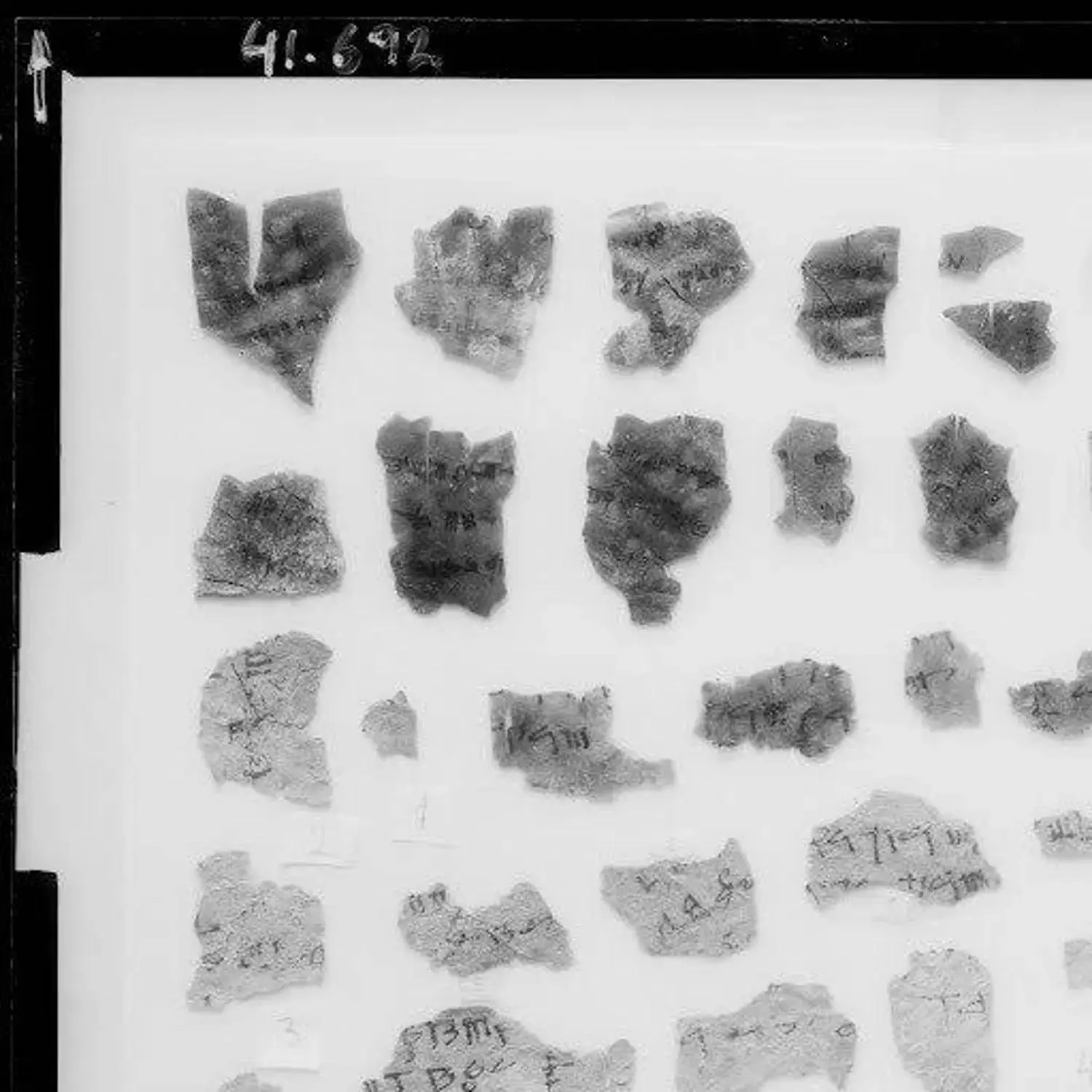
Now, Emmanuel Oliveiro from the University of Groningen in the Netherlands has apparently cracked the 'impossible' code that could finally unlock the Cryptic B manuscripts.
It was previously thought that the damaged 4Q362 and 4Q363 fragments were impossible to read due to them containing an unfamiliar alphabet, but after two months of diligent work, Oliveiro has done it. Matching these symbols to letters in Hebrew that referred to similar biblical phrases, the researcher claims that the fragments mention themes including the end of days, a divine judgment, the arrival of a Messiah, and Israel's ultimate destiny.
He says there are specific mentions of Yisrael (Israel), as well as references to Judah, Jacob, and Elohim (God).
As reported by Haaretz, Oliveiro used a similar process to scholar Józef Milik, who, back in 1955, deciphered Cryptic A by assuming the scrolls were written with a mono-alphabetic substitution system. Here, each of the 22 Hebrew or Aramaic letters was repeatedly replaced with a cryptic sign. For example, A was always replaced by $.
Oliveiro’s key breakthrough came when he realized a sequence of five letters in one part of the Cryptic B fragment seemed to represent the five-letter Hebrew word Yisrael, which is spelled yod, sin, resh, aleph, lamed. Speaking to the outlet, he explained: "Once you've seen it, you can't unsee it."
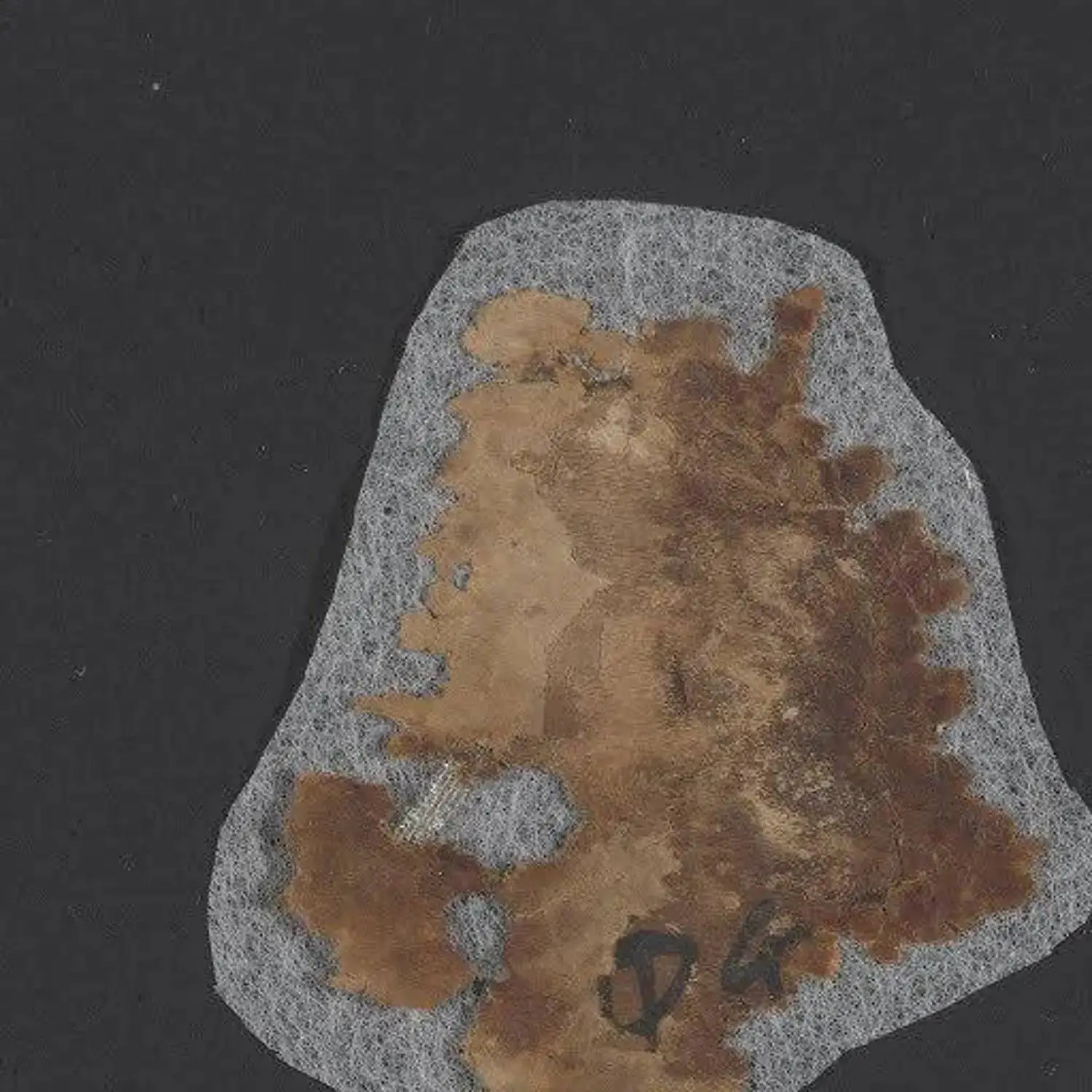
Cheering the discovery, the researcher continued: "A handful of manuscripts was written completely in paleo-Hebrew, and paleo-Hebrew also appears in a number of manuscripts written in standard script, particularly the name of YHWH (we have no idea why they did this)."
In particular, fragment 18 talks about 'the tents of Jacob', which are phrases found in Jeremiah 30:18 and Malachi 2:12.
Oliveiro suggested that the scrolls were coded so only those with a true understanding of these ancient texts would be able to crack the scrolls.
As for his two-month mission, Oliveiro concluded: "I told my friends and wife that I am going to try this and they're like, you could be stuck here for 40 years and never crack the code.
"And what do you hope to find anyway, a secret falafel recipe? But once I saw it – I think it was quite fast."
See, 2026 is already off to a flying start.