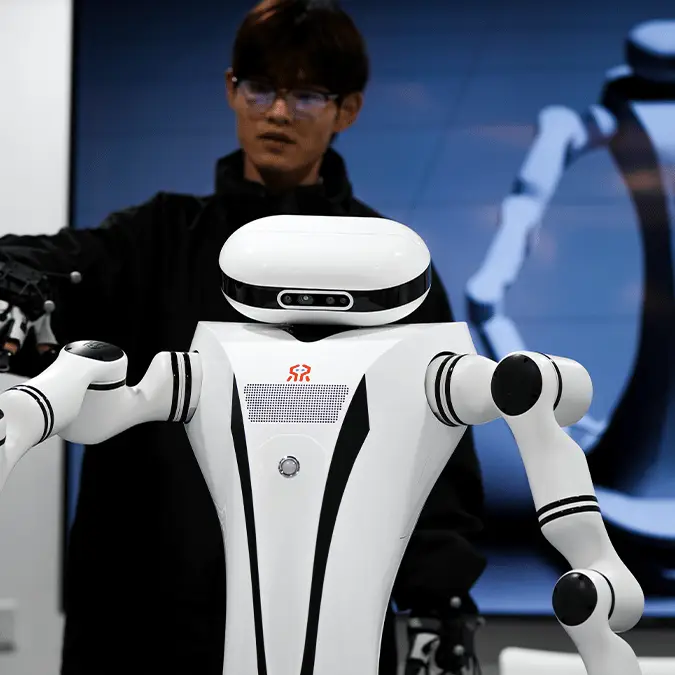
Terror as China reportedly releases thousands of human robots with dystopian mission purpose


Hundreds of thousands of robots have already been deployed across China, making it the leading nation for robotics development, and that has seemingly manifested in a new 'dystopian' mission purpose that some have found terrifying.
Reports have indicated that economic growth in Beijing has been directly linked to the replacement of human workers with humanoid robot equivalents, and new programs have sent thousands of these technological mimics into factories to study our very movements.
One of the best ways for anything to learn is through repetition after all, and it makes sense for robots copying our bodies to also copy our exact processes when working to remain the most efficient, even if saying that out loud sounds rather frightening.
It's something that many have already had to grasp with across the world from a software perspective, as the use of AI in many workplaces effectively trains the tools to replace you, and those same efforts have been made for the world of robotics too.
Advert
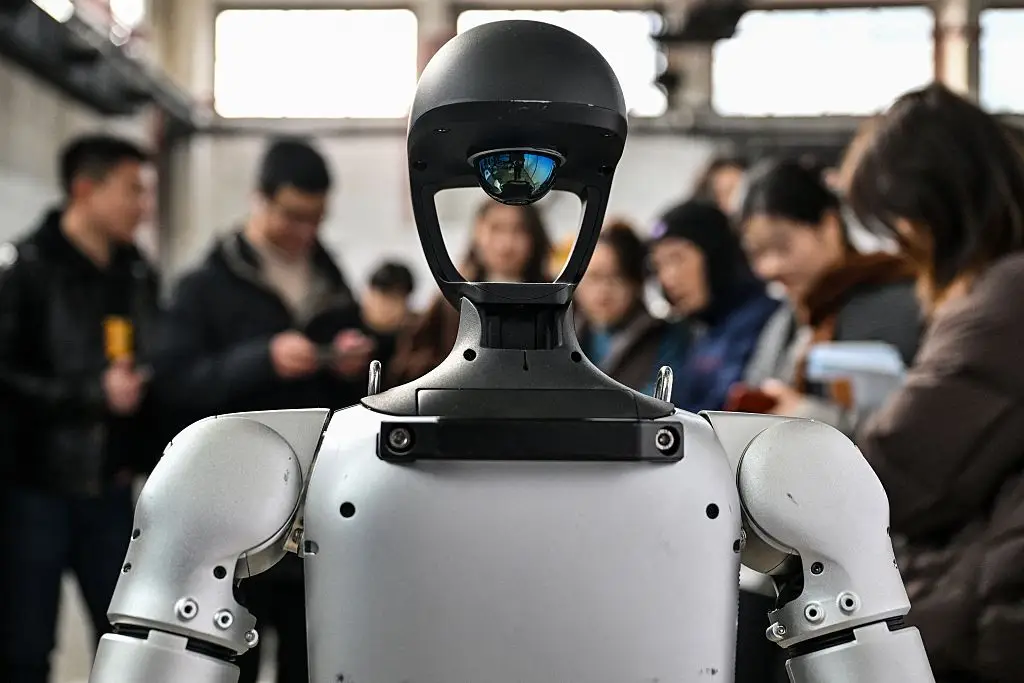
As reported by Bloomberg, the new initiative is being led by China's Ministry of Industry and Information Technology, with around 10,000 of these robots being deployed directly into factories by the end of 2026.
Humanoid robots have already made an impact in Chinese factories, assisting in the manufacturing of cars, consumer electronics, and semiconductors in order to keep up with demand, yet there is still a distinct lack of available training data to make the machines as efficient as they can be.
Industry experts estimate that there needs to exist training data in the tens of millions of hours, and currently the companies leading the robotics revolution only have already 500,000 — but that can quickly change with the programs that are soon to be implemented.
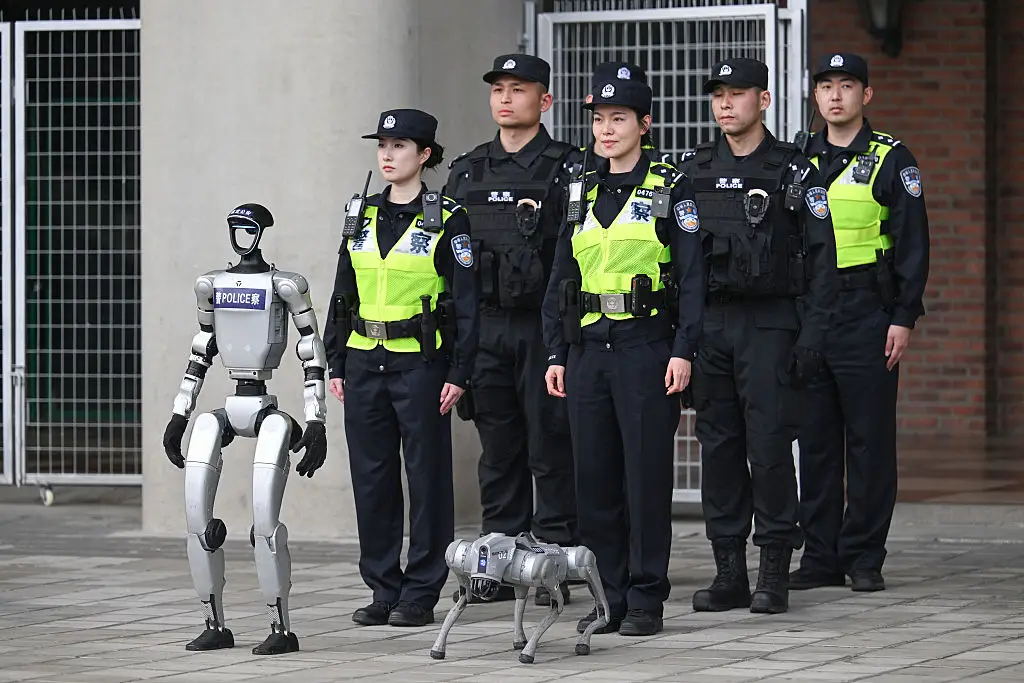
It's not just real factories that these robots will be deployed to either, as 64 training centers have already been built with 20 more in the pipeline to simulate experiences where robots will eventually take over.
These involve mimicries of supermarkets, office environments, assembly lines, shops, and even inside homes — as the prospect of robot butlers remains something that is attractive to those that can afford them, even with the potential power shortcomings.
Ai Wen, a project director at Agibot – one of the leading companies in this push for robotic integration – has claimed that the mass replacement of human employees will 'liberate workers' and be the solution to ongoing labor shortages, although there still needs to be a solution for income when a large number of people suddenly start losing their jobs.