$5 bluetooth tracker secretly mailed to $585 million warship exposed its location for 24 hours


One Dutch warship was given a lesson in privacy as someone managed to get a generic $5 bluetooth tracker on board, exposing the entire fleet's location for 24 hours in a chain of events that could have proven catastrophic.
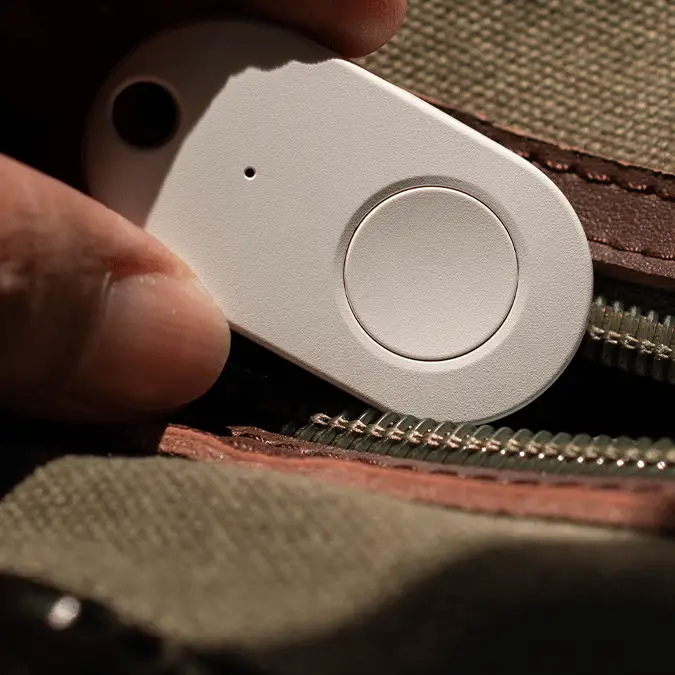
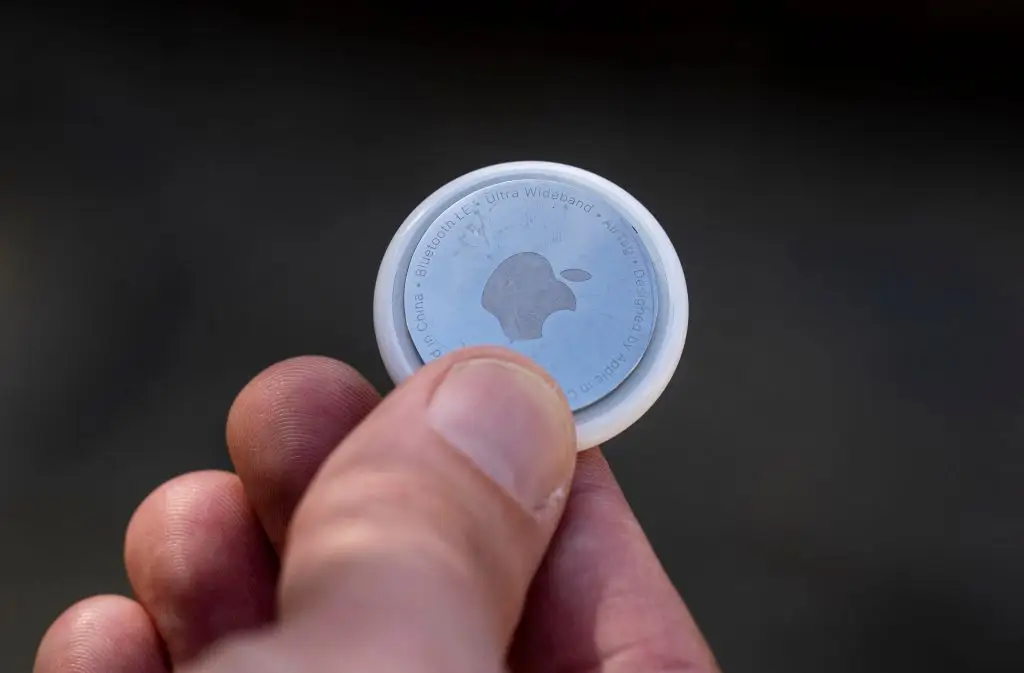
It's frighteningly easy to keep track of pretty much anything these days, as while products from Apple like AirTags offer functionality for a rather hefty price, there are far cheaper options available through Amazon and other storefronts.
These utilize bluetooth signals to provide constant location pings, which can be game-changing if you ever lose your bag, gadgets, or even want to make sure a loved one is safe — but there are also a number of ways that it can be used for harm.
These are clear on an individual level of course, but you might be surprised by quite how effective they can be in taking down entire war fleets 'hiding' in the ocean as one journalist found out after an experiment.
Advert
As shared by The Register, Dutch public broadcaster Omroep Gelderland spotted a new initiative by the country's Ministry of Defense that allows friends and family of sailors on board a naval ship to send mail and packages while their loved ones are away.
While packages are X-ray scanned before being allowed on board, the same grace isn't given to cards which caused a potentially major privacy breach after journalist Just Vervaart tried an experiment of his own.
Finding a small bluetooth tracker online – which can be as cheap as $5 in some cases – Vervaart used the Ministry of Defense's instructions to mail it inside a card and track the HNLMS Evertsen for a 24-hour period before it was eventually discovered.

This particular frigate is part of a wider fleet deployed to protect France's Charles de Gaulle aircraft carrier against any incoming missile threats, so gaining the location of one ship allows you to find them all.
The Evertsen was spotted leaving port in Heraklion, Crete, after which it turned west towards Cyprus before the tracker eventually went offline.
Dutch officials have clarified that the tracker was discovered during the mail sorting process, prompting the Ministry of Defence to change it's policies regarding mail to ban greeting cards that contain batteries.
While this vulnerability has now hopefully been blocked, it does expose how easy it can be to breach the security of a ship this expensive and vital to the defense of several major nations, proving the prowess of modern technology that pretty much everyone can access.