
According to psychologists, this is the most reliable way to spot a liar


We all do it, and whether it be little white lies or stonking porkers, lying is second nature to some people. Putting it bluntly, some are just better than others at doing it. Whether your eyes dart around the room or you become flushed, there are some telltale signs that someone isn't telling the truth.
Others have mastered the art of deception, like they've been trained as covert spies, being able to tell a bare-faced lie to you and sometimes even convince themselves it's the truth. There are a million reasons why you'd want to figure out whether someone is lying, and according to psychologists, there are some easy signs that can help you clock a nearby Pinocchio.
Why do people lie?
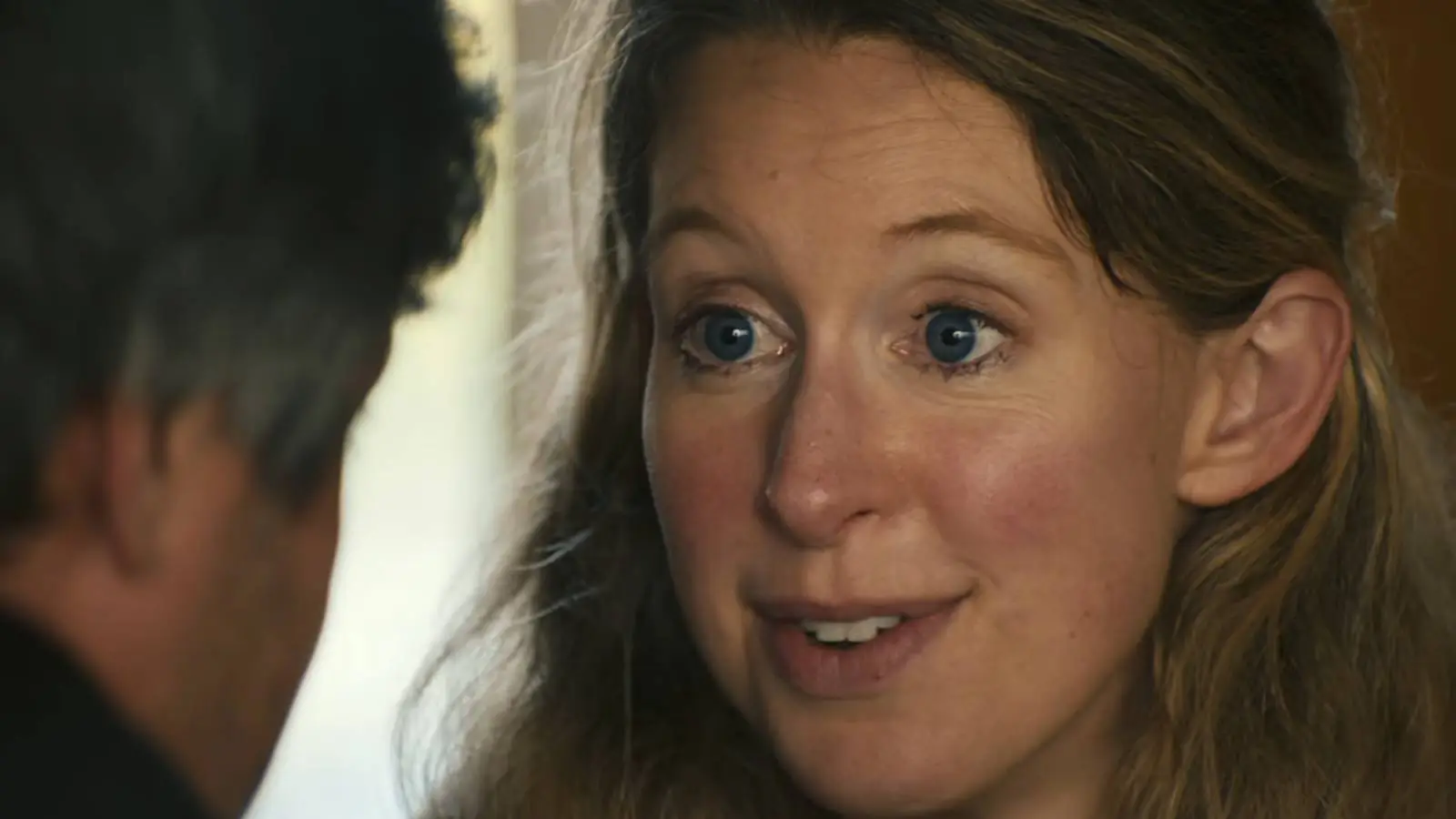
BBC's Science Focus has lifted the lid on lying, using notable examples like Theranos founder Elizabeth Holmes (above) and pro cyclist Lance Armstrong. Still, with research from the 1990s claiming we all lie between one and two times a day, it appears we might be doing it without even realizing it.
Advert
Don't feel too bad, as another study suggests that just 5% of people account for half of all lies told.
Apparently, there are two key reasons why such a minority is willing to lie so much, focusing on a mental capability to deceive, as well as certain personality traits that alter morality and make it easier to lie so often.
According to Molly MacMillan, a researcher at Memorial University of Newfoundland, being honest requires little mental effort, whereas lying can quite literally take its toll on some people: "Telling a convincing lie requires cognitive effort."
Brain scans show greater neural activation in areas that are responsible for cognitive control when lying, with MacMillan explaining it's harder to lie when you're doing something else at the same time: "Studies have found that people are more likely to be honest when speaking in a second language, when tired or when occupied with another task or activity."
Those most skilled at lying in a spontaneous conversation tend to score higher in ‘fluid intelligence’.
In terms of personality traits tied to lying, people who score higher in the 'dark triad’ traits of Machiavellianism, narcissism, and psychopathy are said to be more inclined to lie to boost their reputations.
Scoring highly in Machiavellianism can make you especially manipulative; those high in narcissism are "ego-centric and grandiose," and scoring highly in psychopathy can lead to you being callous and lacking empathy.
Research from 2019 was led by Maastricht University's Brianna Verigin, surveying nearly 200 people about what makes a good lie. It's relatively easy, with lies being kept clear and simple, keeping details consistent so you're less likely to be caught out. Good liars are known to include real-life elements or experiences from their life as a way to back up the lie with some form of truth.
How to spot a liar according to psychologists
flie

In terms of spotting a liar, you can increase 'cognitive load' to try and catch someone out. Authorities might ask a criminal suspect to tell their story backward so it makes it harder for them to keep a lie.
Importantly, those who are typically seen as the best liars need the mental aptitude to cope with getting away with it.
We also need to look out for 'pathological liars', who sometimes suffer from a condition known as pseudologia fantastica or ‘mythomania’. These people aren't necessarily lying with purpose, and often, their lives are made miserable by the compulsive need to lie.
Pathological liars are said to feel remorse, but often from a young age, they've developed a need to repeatedly lie.
Dr Drew Curtis, the author of Pathological Lying: Theory, Research, and Practice, warned about pathological liars, reiterating: "Pathological liars tell lies with a greater frequency than most others and the lies told tend to cause [them] impairment in functioning, elicit distress and are more likely to pose a risk of danger to self or others."
Whereas prolific liars are often good at it by using their mental ability to suppress it, pathological liars simply can't help themselves. Curtis added: "It’s not clear that pathological liars have no moral compass. Rather, executive functioning deficits may be related to pathological liars not being able to predict the future – the consequences of getting caught – when engaging in lie-telling.”
Be warned, as it's said that frequent liars can expect a poorer quality of life and to suffer from lower self-esteem.