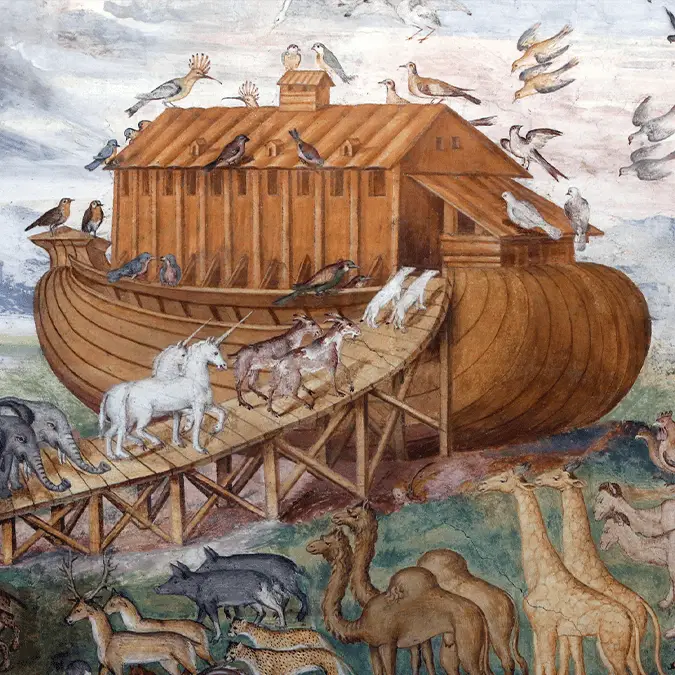
Ancient biblical theory links Noah’s Ark to modern human blood types


Even though it is thousands of years old, people are still making new discoveries in the Bible that challenge what we've always believed.
Other interpretations are being linked to modern science today.
We recently covered that religion is seeping into current events after Trump military leaders were accused of telling US troops to prepare for ‘armageddon’ and ‘Jesus’ return’.
According to one complaint, a combat-unit commander told his officers that the military strikes were part of 'God's plan'.
Advert

Now, an interesting theory has surfaced that connects the story of Noah's Ark to how we got our different blood types.
The Bible states that eight people survived the great flood including Noah, his three sons, his wife, and his sons' wives. But some researchers have noticed that these eight survivors match the eight main human blood types recognised in medicine today.
Human blood is categorised into eight types, which are A+, A-, B+, B-, AB+, AB-, O+, and O-. Scientists and genetic experts believe that ABO and Rh are passed down from parents to their children.
With just eight people on the Ark, their mixed genes could have passed over many generations and eventually led to all the blood types we see today.
Blood type O - the most common in the world - might have come from one of Noah's family members and spread as the population grew.
The theory has spread like wildfire over social media, with some believers seeing it as proof of a divine plan.
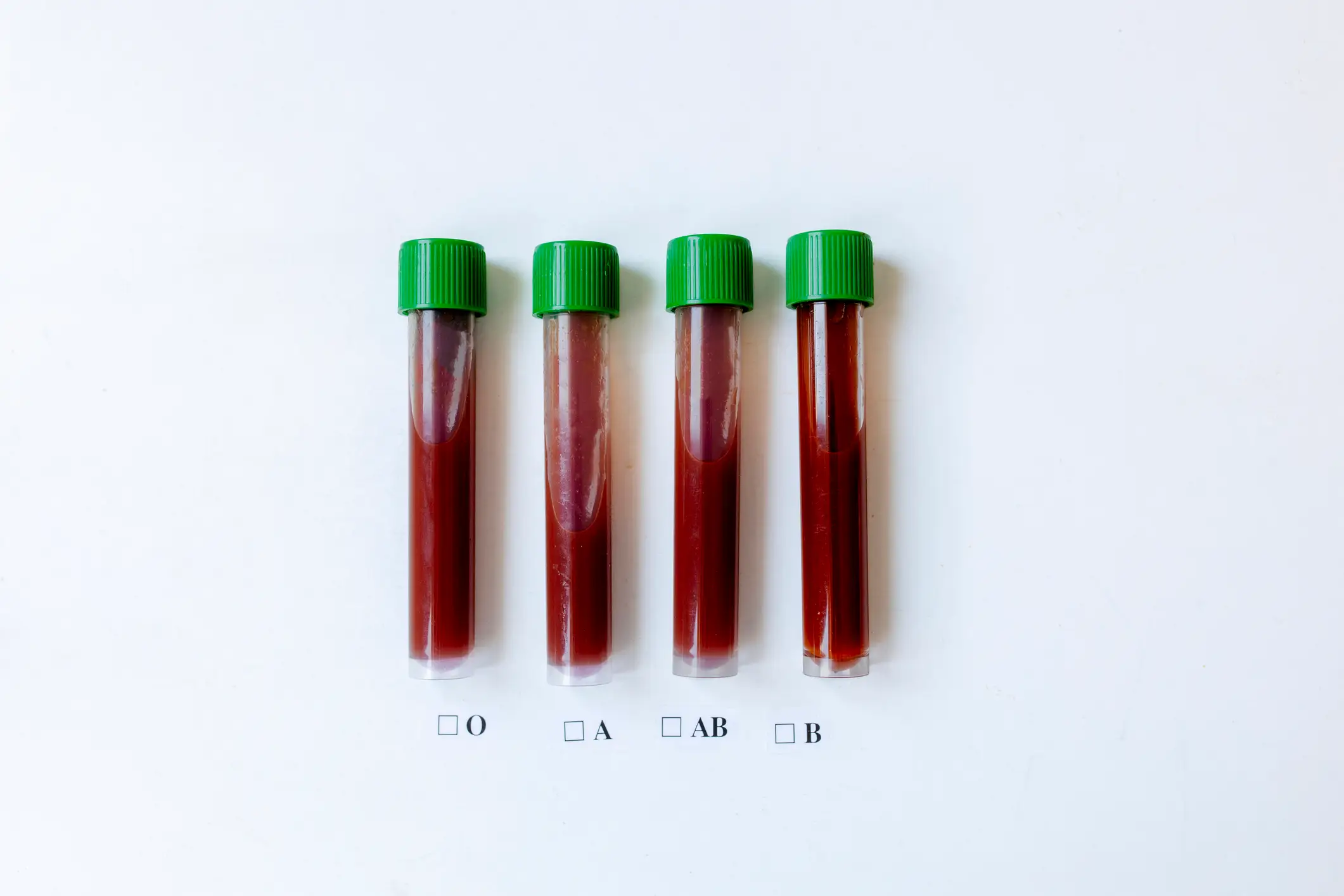
As shared by Daily Mail, one user wrote: “The Bible is a living blueprint of the human body.”
However, some users were quick to criticise the theory, calling it a mere 'coincidence.' Another user claimed (via Daily Mail): “Interesting coincidence, but blood types evolved over tens of thousands of years, not from a single herd.”
Other users have pointed out that the eight people on Noah's Ark were family. And even if the wives were sisters, everyone after the flood would have come from a small, closely related group.
According to scientists, blood types evolved over millions of years through genetic mutations and natural selection, mostly to build immunity against diseases. Earlier versions of the ABO system have been found in apes and monkeys dating back over 20 million years. But further research is needed to uncover the complex evolutionary history behind human blood diversity.