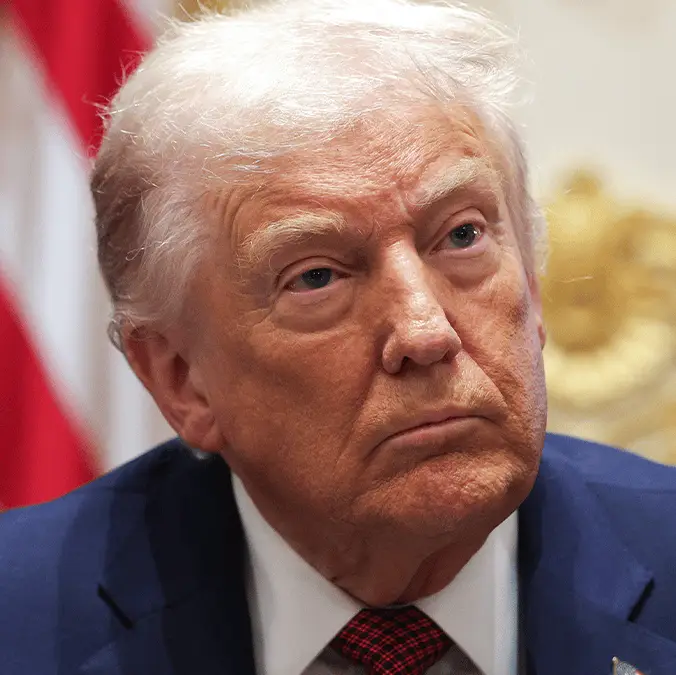
Trump's new AI laws could force millions of Americans to pay more for their homes


Even though President Donald Trump claims we're in a new Golden Age for the United States of America, others are afraid the POTUS is running the country into the ground.
Signing a slew of executive orders when he returned to the White House in January 2025, Donald Trump put the Department of Government Efficiency into action, laid out grand plans for a Golden Dome of defense, and quickly set out on his mission to raise trade tariffs and enact his controversial One Big Beautiful Bill Act.
While the President has supporters and skeptics, one of his most controversial acts has been a massive swing toward artificial intelligence. Trump has tried to prove he's down with the kids, and while he's admitted he's computer illiterate, he's keen to show he's up to date on all things AI.
Most recently, the President signed the "Ensuring a National Policy Framework for Artificial Intelligence" executive order that looks to centralize regulation and stop individual states from making their own rules on AI.
Advert
Earlier this year, the President vowed to try and stop 'roadblocks' getting in the way of AI’s evolution, although it comes with obvious concerns. More than jokes about Elon Musk's Grok referring to itself as MechaHitler, concerns have been raised by several deaths linked to AI, the fact that jobs are being wiped out, and the idea that AI could actually harm us to protect itself.
We now have another worry to add to the list, as there are concerns that you could be paying more for your next due to his AI executive order.
As reported by The Independent, inflation could rise as an unexpected side effect of deregulating AI. The executive order reads: "To win [against our adversaries], United States AI companies must be free to innovate without cumbersome regulation. But excessive state regulation thwarts this imperative
"My administration must act with the Congress to ensure that there is a minimally burdensome national standard — not 50 discordant state ones."
The outlet notes that AI can decide who gets a job interview, certain forms of medical care, and a home loan. A major red flag comes in the form of various studies suggesting that AI can be easily swayed by gender and racial biases.
Returning to the idea of buying a house, there are complaints about a Texas-based software company called RealPage. Providing real-time price recommendations for landlords, RealPage uses confidential data to make its decisions, leading to fears about the aforementioned biases.
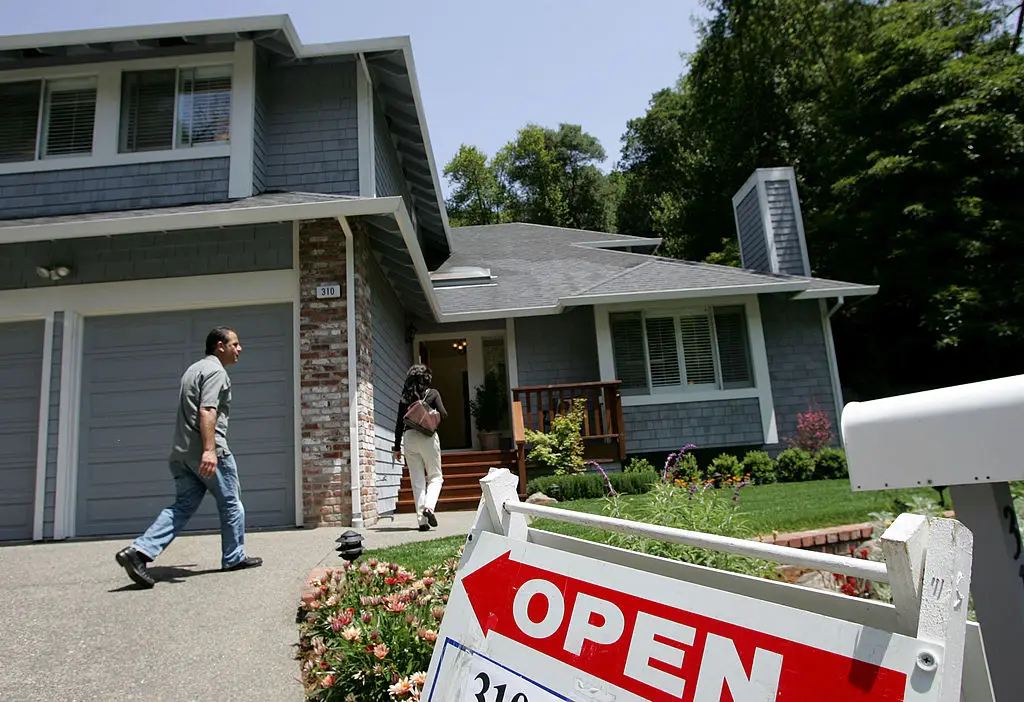
There's been a backlash against so-called 'algorithmic collusion' that's accused of helping landlords fix rental prices as high as they could. Things boiled over as RealPage agreed to settle with the Department of Justice and vowed to stop using real-time data.
This then led to the likes of Jersey City, San Francisco, Philadelphia, Minneapolis, San Diego, and Portland banning the ability to base rents on AI recommendations.
As part of a larger conversation, Colorado passed a statewide bill to stop AI discrimination, which has been delayed due to lobbying from the industry.
Speaking to Politico, Nikitra Bailey of the National Fair Housing Alliance warned: "The federal government has failed to act [against AI]. Any attempt to weaken state-led AI protections would worsen the fair and affordable housing crisis.
"We strongly discourage the Trump administration from haphazardly releasing an executive order on AI that would side with big tech and investors over the people of America."
It's unclear whether Trump's latest executive order would roll back things even further, although we need to remember that "child safety protections" and "other topics as shall be determined" are exempt. Still, 'other topics' gives the Trump administration plenty of wiggle room.