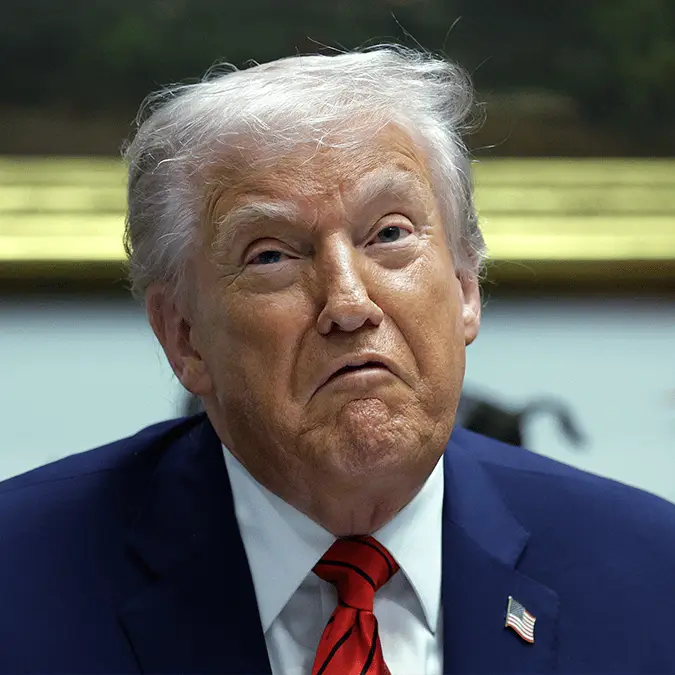
Donald Trump signs bombshell AI order that could transform the entire landscape


The President of the United States has his all-powerful pen out again, and while we've come a long way from his deluge of decrees he signed on January 20, Donald Trump has just put his 219th executive order of this administration into action.
In case you hadn't noticed, artificial intelligence is something of a big talking point right now. After all, Time Magazine hasn't named the 'Architects of AI' as its Persons of the Year for no reason, with the USA trying to outmaneuver its rivals in this ever-growing field.
Away from fears about what jobs will be lost to AI, whether it will be a crucial tool in the looming World War III, and if it'll one day decide to scrub mankind off the face of the Earth, others are using it as a supposed tool of good.
Remembering that giants like Disney and OpenAI are even joining forces, it seems inevitable that even the harshest critics of AI will have to succumb to its power.
Advert
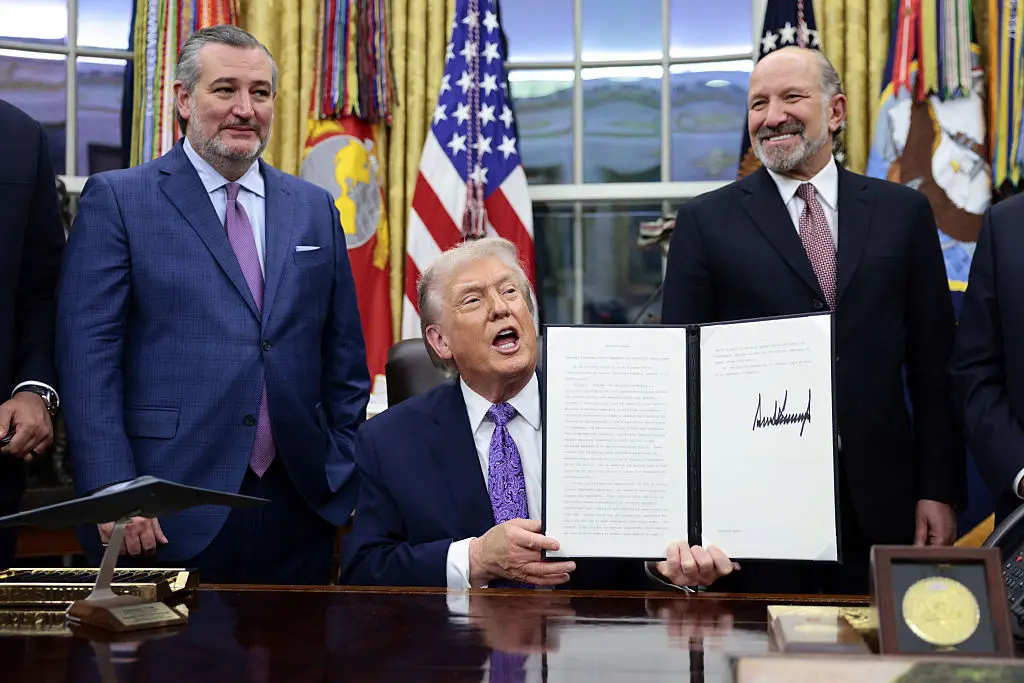
Donald Trump's latest executive order aims to roadblock any laws that could limit artificial intelligence, while also stopping individual states from regulating it in any way. Building on January's "Removing Barriers to American Leadership in Artificial Intelligence" executive order, "Ensuring a National Policy Framework for Artificial Intelligence" aims to revoke President Biden's "attempt to paralyze this industry."
Pointing to China's centralized government approval process, a defiant Trump said, "There's only going to be one winner," and suggested that we should look to the East when it comes to AI regulation.
The POTUS wants the Attorney General to create a gnarly-sounding task force that has the "sole responsibility” of challenging states on their AI laws, alongside the Commerce Department supposedly drawing up a list of problematic regulations.
At the signing ceremony, the POTUS said many AI companies want to invest in the USA, but added, "If they had to get 50 different approvals from 50 different states, you could forget it."
Silicon Valley has been arguing against a 'hodgepodge' of state rules that have made AI regulation something of a minefield, but has been cheered by skeptics who worry things are moving too fast.
As reported by The Independent, David Sacks, a venture capitalist with extensive AI investments and a key advisor to Trump on cryptocurrency and artificial intelligence, promised that the current administration will only push back on “the most onerous examples of state regulation," without opposing measures aimed at “kid safety."
We've already seen Colorado, California, Utah, and Texas pass laws that put rules in place for AI in the private sector and cover the likes of data collection, while other proposals extend to assessing the potential risks of discrimination from AI programs.
Finally, many states have put their foot down on barring deepfakes in elections and the creation of NSFW material, as well as the government's own use of AI. All of this is due to be brought back to Washington, and as we've seen from AI videos of the President himself dumping poop on protestors, there are concerns about what putting all this power in one place could mean for the future of AI.