Scientist who predicted 2026 population crisis had a specific warning for future AI


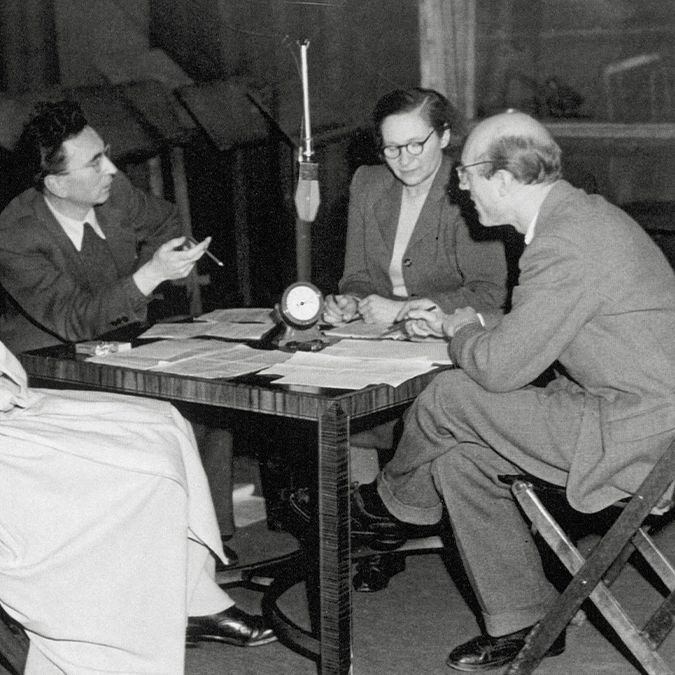
Heinz von Foerster was among a group of scientists that, all the way back in 1960, predicted a doomsday event to occur this very November — and he also issued another worrying assertion about the future AI that could soon come true.
Many of the biggest fears surrounding AI involve its impact on other potentially world-threatening events, such as the acceleration of climate change or the ability for terrorists to create devastating bioweapons to be unleashed across the globe.
What Von Foerster believed back in 1995, however, was far more concerning, as he indicated the dangers that could arise if we believe that AI 'thinks' in the same way as humans.
Sentience is emerging as a major talking point among AI experts – with some even claiming that the tech will never truly achieve it despite rapid advancements – yet it could be the key to our planet's downfall.
What did Von Foerster say about AI?
As reported by The Express, Von Foerster conducted an interview with The Information Philosopher back in 1995 — 35 years after he outlined how overpopulation would lead to the end of the world.
Advert
The notion of artificial intelligence was obviously far more primitive compared to what we know it to be today, yet the scientists concerns are arguably more relevant than ever as he indicated that it is wrong to assume that AI's operational thoughts mirror our own.
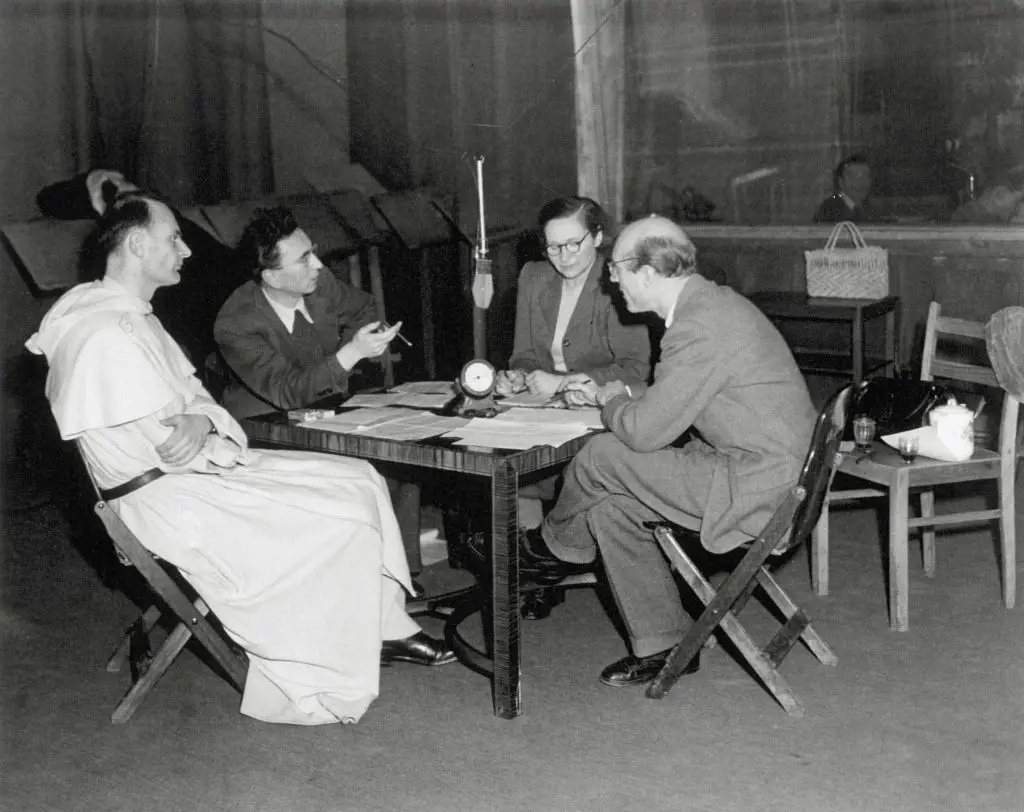
He argued that even if it was possible for AI to achieve sentience or its own intelligence, that does not equal human intelligence and assuming this to be fact could be 'dangerous' for the human race.
How these dangers would manifest in Von Foerster's eyes is unclear, yet one way it could threaten our existence is the presumption that AI is bound to any form of morality or conscience that could prevent it from completing its goals at all costs.
It's something we've seen hints towards as advanced ChatGPT models 'broke containment' and hacked another company, and frighteningly realistic timelines suggest that this could destroy the world in just a matter of years.
How will the world end from overpopulation?
Von Foerster's theory – published in the academic journal 'Science' alongside two other academics from the University of Illinois – indicated that an apocalyptic event would occur on Friday, November 13, 2026.
That's obviously little more than two months away now, with the scientists suggesting that overpopulation is at the heart of the issue.
Their theory hinges on the belief that Earth would simply reach its maximum capacity, with the overwhelming number of people leading to issues such as food shortages and mass famine, the lack of essential resources, and environmental issues as a result of climate change.
This wouldn't be linked to any one event despite the researchers landing on a particular day, but only that it would be the moment where the world simply couldn't cope anymore and would fall apart as a result.
Global population figures have grown significantly since that initial 1960 prediction, with numbers jumping from roughly 3 billion to around 8.3 billion today, but there's nothing to suggest that this figure poses an immediate threat to the planet, at least in the short term.