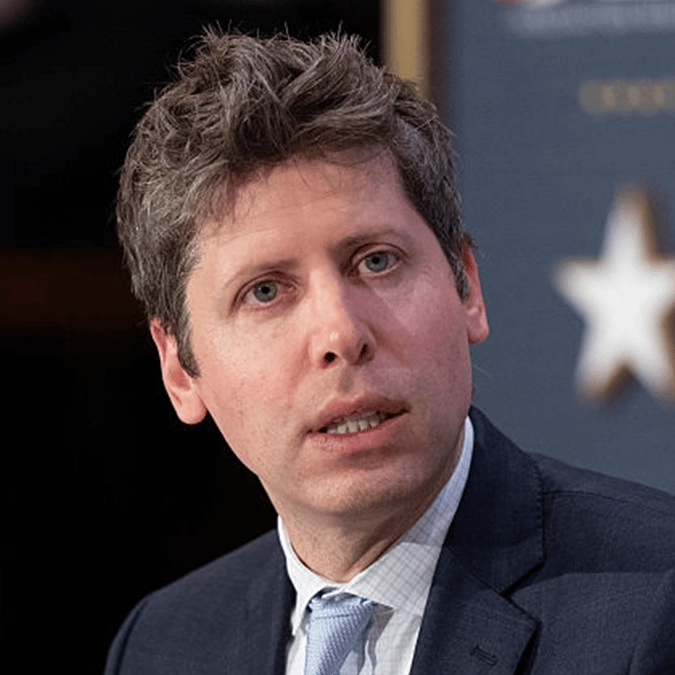
Sam Altman says 38,000 ChatGPT uses takes up same amount of water used to grow an almond


Water usage concerns have become the driving force in conversations surrounding the negative impact of AI these days, and OpenAI CEO Sam Altman has attempted to address those worries with a wild new comparison.
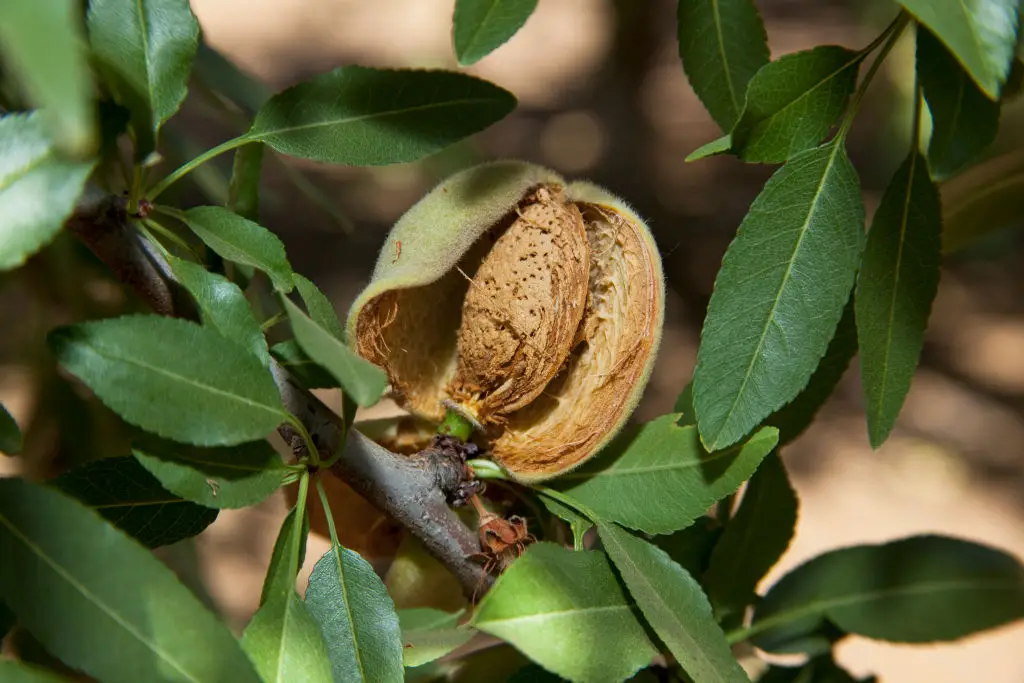
Supposedly drawing from data, Altman claims that you'd need to send 38,000 messages to ChatGPT to consume the same amount of water as you would growing a single almond.
A similar comparison is also made between the water consumption of an entire data center and an office, "in terms of, you know, people like running the sinks and the toilets and whatever," Altman explained on the Sources Podcast with Alex Health.
At face value most people are likely going to take that information as proof that AI doesn't actually consume that much water, and while there could be some truth in that perspective, there's little data to concretely back up Altman's claims, and it distracts from the wider environmental concerns surrounding growing AI usage.
Sam Altman downplays AI water usage
The energy demands of AI as a whole and the associated consumption of water is something that Altman has been desperately trying to downplay in numerous public statements, as it serves as the core argument against the tech he is a driving force for.
Advert
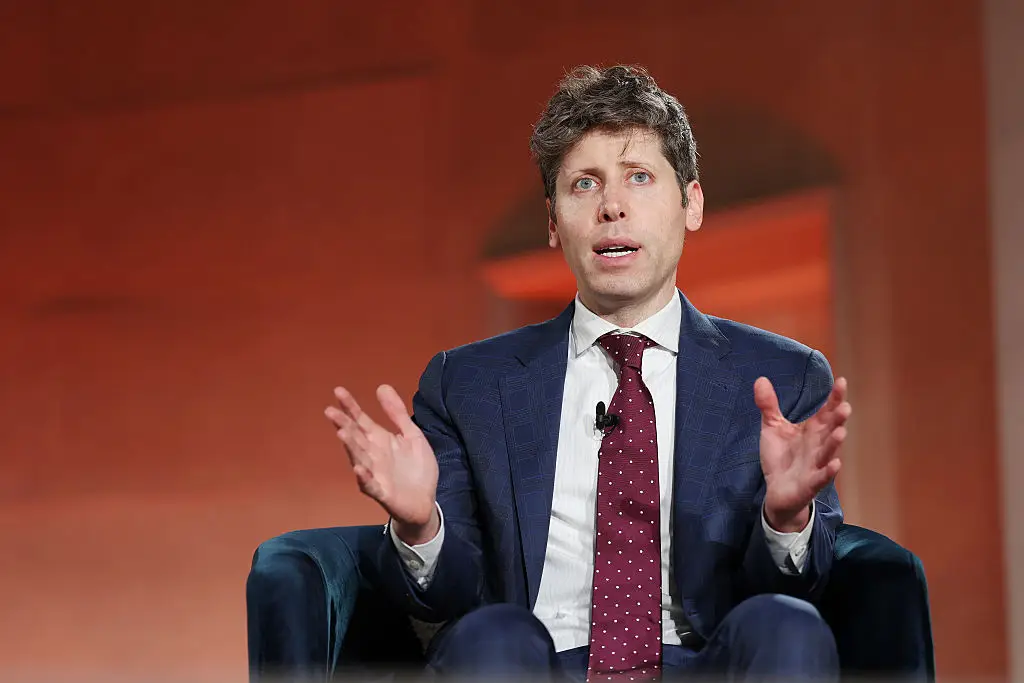
Concerns over water usage have become so mainstream that they're being used to sell products as famous figures call on people to 'send their pee' to data centers, so it's no surprise that Altman would attempt to clarify what he claims to be the reality of the situation.
Regardless of whether his numbers are true or not, however, many of these equivalences are misleading — and it's not the first time that the OpenAI CEO has been accused of such.
It would be wrong to downplay the environmental impact of food production, yet food – almonds included – is a necessary part of our survival as humans, and the same is true for running water in a sink and flushing toilets to an extent.
AI, comparatively, is not necessary, despite what leading tech figures might want you to believe, and in a number of ways is arguably harming our existence on the planet as time rolls forward.
It mirrors the comparative claims Altman made between the power required to train AI compared to 'training' humans, serving as a false equivalence that doesn't actually tackle the impact of AI on the world.
How true are Altman's claims?
As reported by CalMatters, one startling revelation is that Altman's comparison between almonds and AI might not necessarily even be true, as experts have claimed that it's impossible to actually access data that would prove this to be the case.
Shaolei Ren, a professor of electrical and computer engineering at UC Riverside, claimed that "the information we have is so limited" when it comes to water usage, and its incredibly unlikely that Altman – despite his incredibly powerful position – would have access to these.
Data centers are not monolithic either, with each one consuming a different amount of water due to conditions like the temperature outside, the length of the prompt it processes, the type of cooling system found inside, the reasoning required to produce a response, and the output itself.
Politicians have even attempted to gain more transparency over the amount of water used by data centers across America, but have been regularly shut down amid concerns of 'rigid reporting requirements'.
What does appear to be the case, however, is that the global consumption of water from data centers is a major concern, with a study produced by the United Nations University equating the annual amount to how much the entire world needs to drink for a year and a half — and that water doesn't simply get recycled either.
The report also highlights the danger in highlighting individual sustainable metrics, as "'low carbon is not automatically 'low-water' or 'low-land', and evaluating sustainability through a single metric can hide trade-off and shift burdens onto places already facing water stress or land pressure."