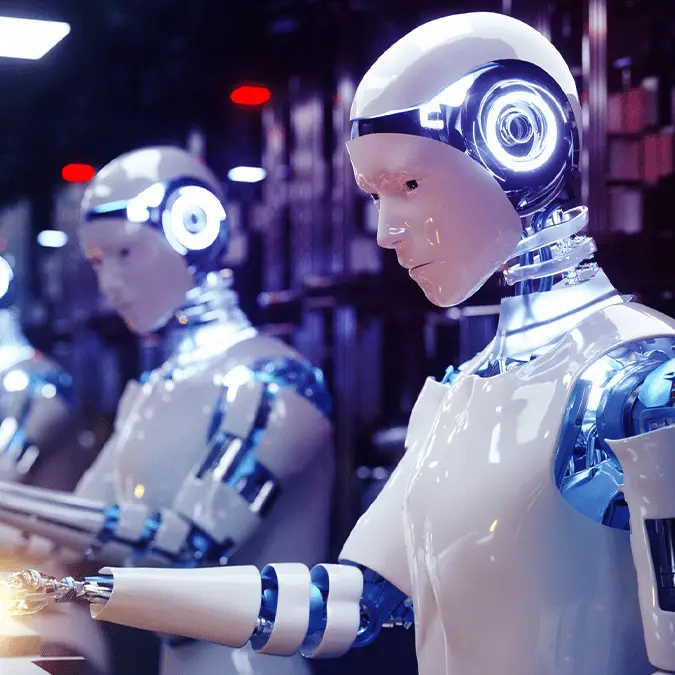
Experts reveal five 'AI-proof' jobs that offer one key advantage as fears around unemployment grow


As time goes on, fears continue to grow around AI pushing people out of their jobs.
With that said, tech experts are offering reassurance by identifying which careers will remain safe from AI disruption and which skills can help futureproof your employment.
The concerns aren't unfounded. Amazon recently announced 14,000 job cuts as part of an AI-driven restructuring, while reports suggest AI could impact up to 300 million full-time positions worldwide.
What jobs are at risk from AI?
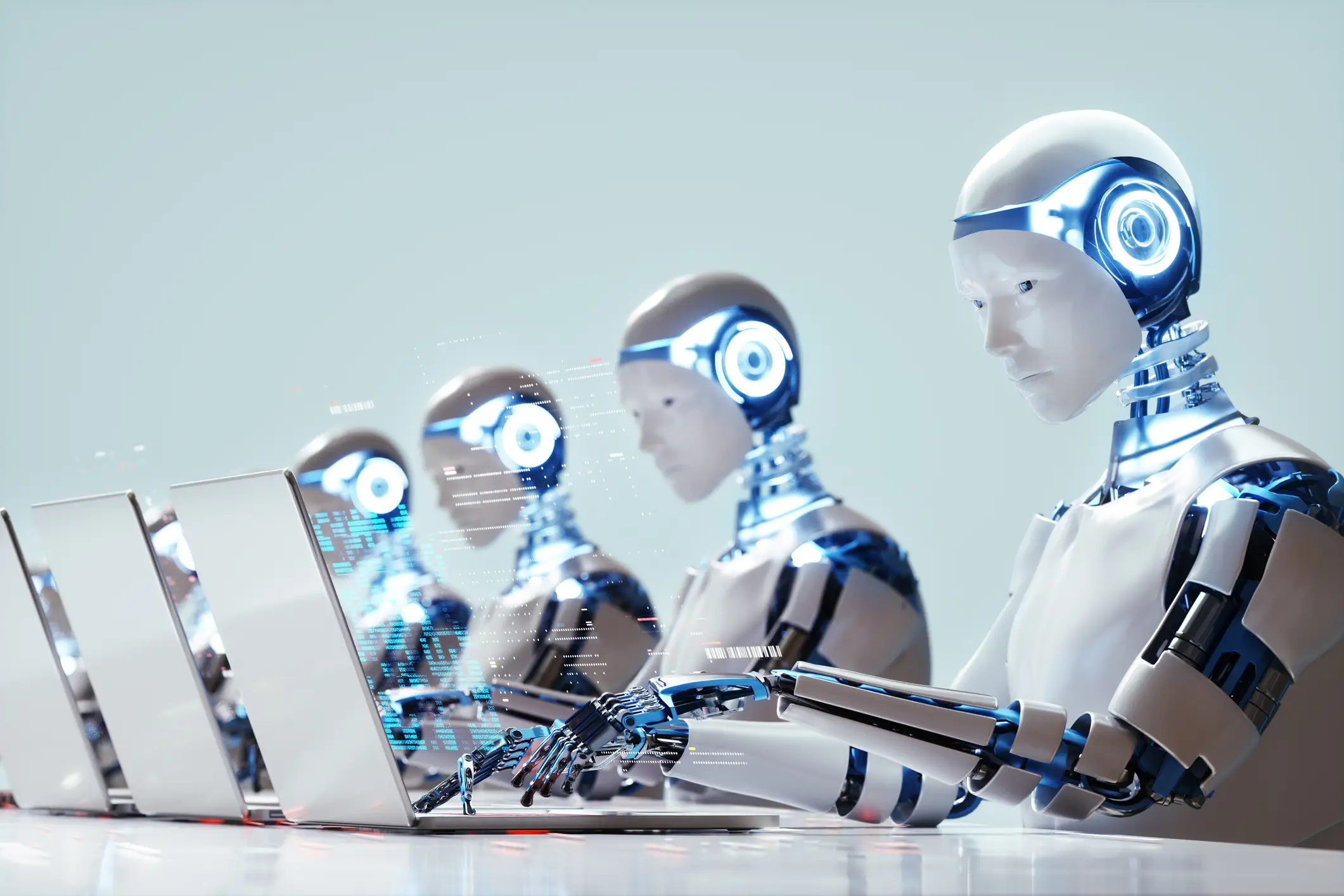
Positions involving data entry, administrative tasks, customer service and even some technical jobs are likely to be taken over by AI systems. Simply put, these are roles that can be reduced to algorithms and if something can be written as an algorithm, AI can probably execute it faster and more efficiently than humans.
However, AI has limitations when it comes to human instinct, moral judgment and collaboration.
Advert
AI cannot compete in these areas, which means if you're searching for a new career path, it's worth considering professions where AI is inherently weakest and human qualities provide a major advantage.
The five jobs that are 'safe' from AI
Career guidance platform targetjobs identified certain roles with traits that AI cannot authentically replicate which they call ‘human advantage roles’.
Healthcare & Psychology
While AI can help us with data analysis and diagnostics, it cannot mimic human empathy and emotional understanding. AI might process medical data brilliantly, but it can't hold someone's hand during tragic news or truly understand the nuances of mental health struggles.
Education & Training
Teaching isn't just about conveying information, it's about inspiration, adaptation to individual learning styles, managing classroom dynamics, and recognising when a student needs encouragement versus challenge.
Creative Industries
AI can churn out content all day long. But creating stuff that actually connects with people, like proper storytelling, design and ads that make you feel something, that still needs humans.
Skilled Trades
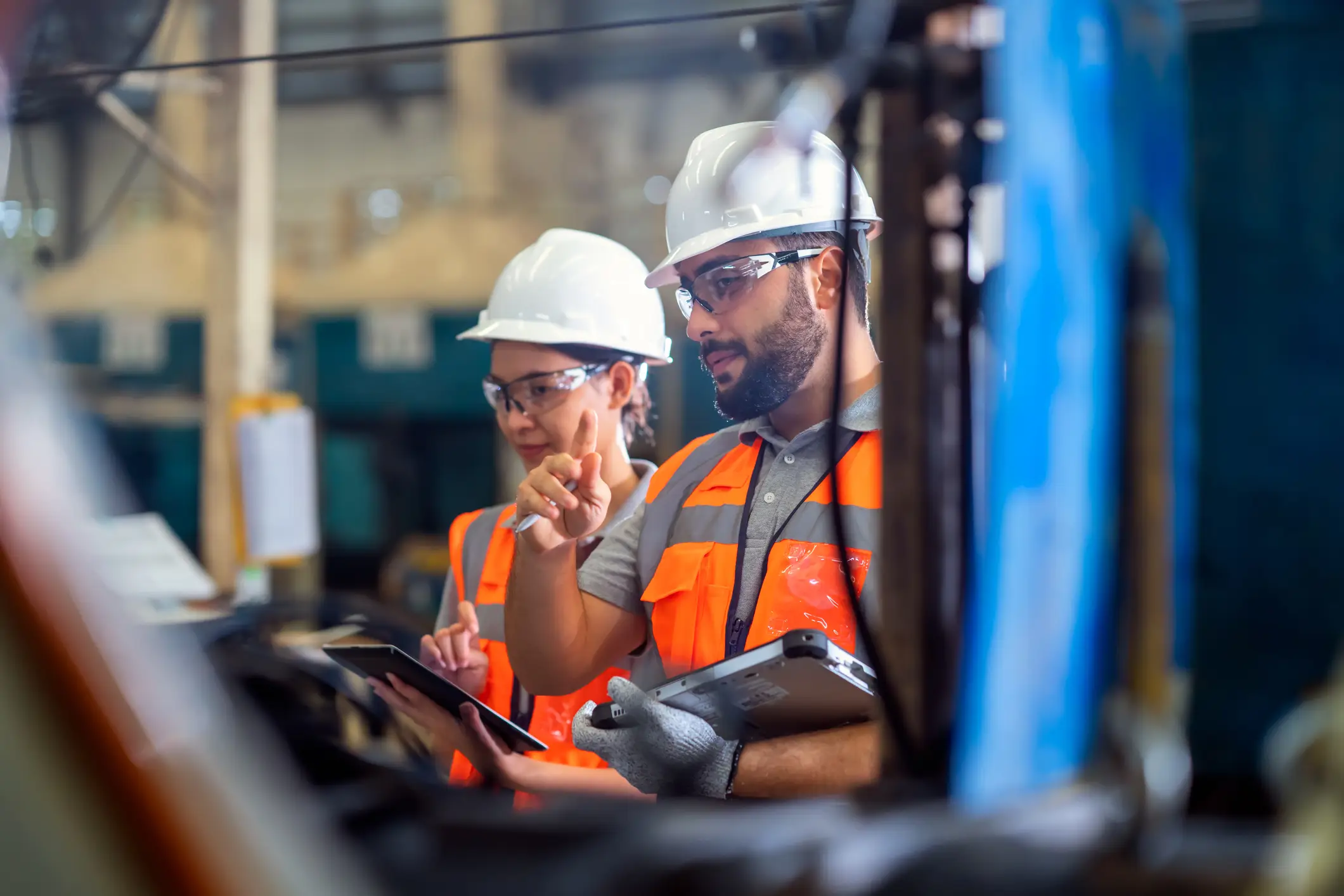
Builders, electricians, plumbers, mechanics, basically anyone who works with their hands in the real world is totally safe.
Every job is different. Robots like Tesla's Optimus might look impressive, but they're miles away from handling the judgment calls and hands-on problem-solving that tradespeople deal with daily.
Ethics & Policy Roles
The more AI we have, the more we need humans making sure it doesn't go off the rails. Professionals in regulation, ethical leadership, and law ensure AI is deployed responsibly and within appropriate boundaries.
What key advantage do humans have over AI?
Career experts emphasise one quality that separates secure employment from vulnerable positions and that is flexibility.
"Those who can combine AI literacy with essential human skills will be the most employable," targetjobs explained.
Fighting the technology won't work. The people who know how to work with AI while bringing human judgment are the ones who'll keep their jobs.
How can you 'future-proof' your job against AI?
According to targetjobs, the best way to keep on top of the job market is to work with AI, not against it. This means diversifying your skills, investing in lifelong learning, building networks and ultimately building your emotional intelligence.