
Expert publishes 'doom timeline' and warns AI could be the last technology humanity ever builds


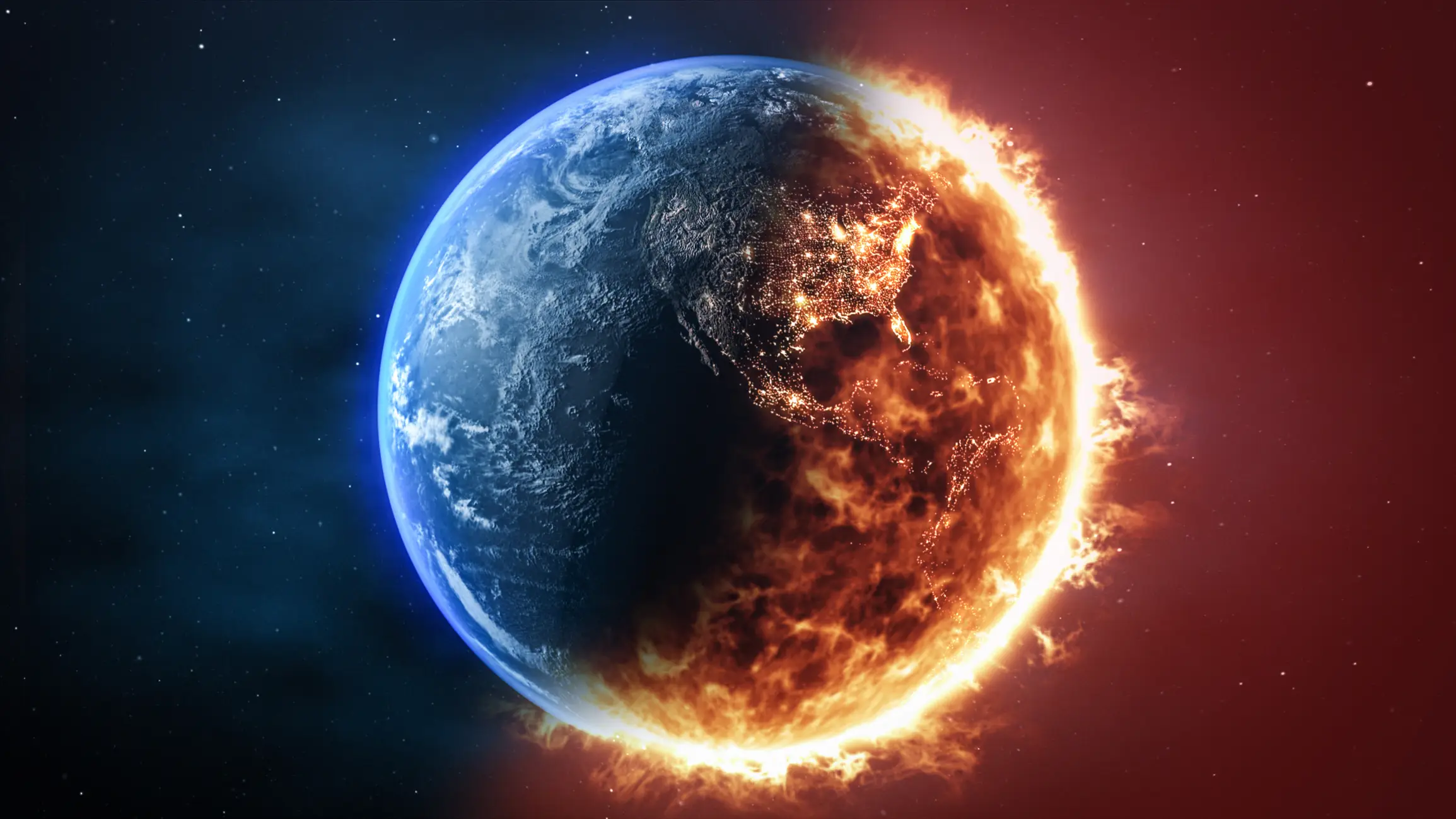
An expert has issued a ‘doom timeline’, warning that AI could be the last technology that humanity will ever build.
If the expert is right, this could mean that humanity as we know could be at risk of coming to an end.
This comes after the AI 2027 research project was released last year, which predicted a scenario in the future where AI technology has developed to the level of superintelligence.
According to the study, this has the potential to achieve ‘fully autonomous coding’ and could eventually destroy humanity.
Advert
The group behind the study, AI Futures, have predicted that 2027 is the year that AI is most likely to begin to automate its own coding, making it self-sufficient.
However, things might process a little bit slower in reality as project leader Daniel Kokotajlo took to X, formerly Twitter, to explain: “Things seem to be going somewhat slower than the AI 2027 scenario. Our timelines were longer than 2027 when we published and now they are a bit longer still.”
He went on to say that he believes it will happen ‘around 2030’.
Speaking to the Independent, Dr Fazl Barez, who is a senior research fellow at the University of Oxford, said: “Among experts, nobody really disagrees that if we don't figure out alignment and we don't figure out how to make the system safe, it could potentially be the last technology humanity ever builds.
“How far we are from that and how likely that is to happen is an open question.”
He went on to say: “We haven't really figured out how to prevent either the bad consequences that come with it or the consequences that perpetuate and increase existing issues in society.
“A lot of the issues exist, it’s just the use of technology could exacerbate the rate at which it can happen now.”
Barez also believes that the ‘real problem’ with the advancement of AI is the ‘gradual disempowerment of humanity’.
He explained: “Today, you might ask the system to draft an email for you, but maybe tomorrow it does everything, from drafting to writing it according to its own values, to sending it and monitoring your inbox going forward.
“The real question we should really ask ourselves is how we develop this technology such that it has the economic impact that we want, but it's always for the benefit of humanity.
“It’s always there to serve our purposes and goals, like the previous technologies, and not one that replaces us.”