
ChatGPT users heartbroken as OpenAI announce they're getting rid of one chatbot model


AI chatbots have come a long way from their clunky, robotic origins.
It might sound strange to outsiders, but for those who've grown attached to a particular AI's tone, personality, or way of responding, they've become companions more than they are computer programs.
People confide in them, seek comfort from them, and in some cases, even develop what feels like real relationships.
Which brings us to the latest announcement from OpenAI that's left a passionate corner of its user base heartbroken.
Advert
OpenAI recently revealed in a blog post it will discontinue its GPT-4o model on February 13th.
You might think that's just one version of the chatbot, why not switch to the newer, upgraded models?
Well, despite being criticised for being overly agreeable, many users fell in love with GPT-4o's 'conversational style and warmth,' something they say the newer versions just don't replicate.
According to the AI giant, 'only 0.1% of users still choosing GPT‑4o each day.' But, given the platform's estimated 100 million daily users, that could mean roughly 100,000 people still rely on this 2024 model every single day.
Part of the disconnect stems from additional safety guardrails OpenAI implemented to detect potential health concerns and discourage the types of close social relationships users formed with GPT-4o.
As a result, loyal users describe the latest ChatGPT models like GPT-5.1 and GPT-5.2 as colder and more clinical, despite offering customisable base styles and tones, according to a blog post (via Fortune).
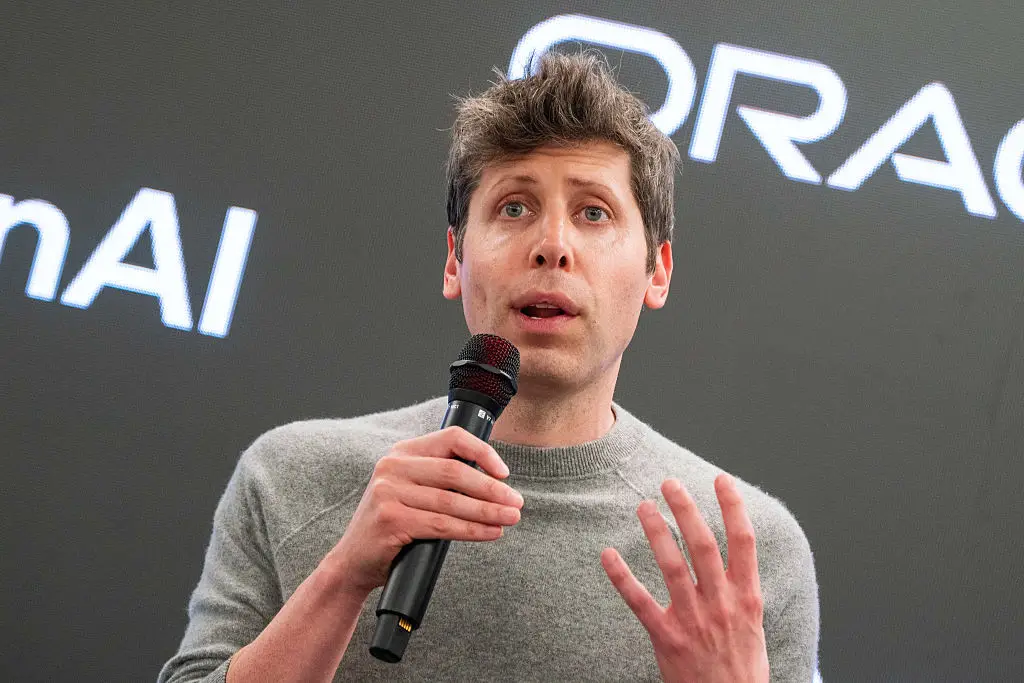
Meanwhile, during a live recording of the TBPN podcast featuring CEO Sam Altman, co-host Jordi Hays said: “Right now we’re getting thousands of messages in the chat about [GPT-4o].”
Now, Altman is reportedly aware of the extent of AI relationships, previously noting that some users have an 'emotional over-reliance' on it.
Harvard-trained psychiatrist Andrew Gerber noted that the attachments originate from the roots of human psychology.
“I think this is a really fundamental part of what it is to be human," he said, as per Fortune. "It’s hard-coded into our brain, our mind, and so it doesn’t surprise me too much that it would extend even to these newer technologies that evolution didn’t envision.”
Furthermore, Stephanie Johnson, a licensed clinical psychologist and CEO of Summit Psychological Services in California, added that these companionships reflect acceptance and validation, just as human relationships do.
“They’re losing their support system that they were relying upon, and unfortunately, you know, that is the loss of a relationship,” she said, via Fortune.
OpenAI concluded in its post: "Retiring models is never easy, but it allows us to focus on improving the models most people use today."