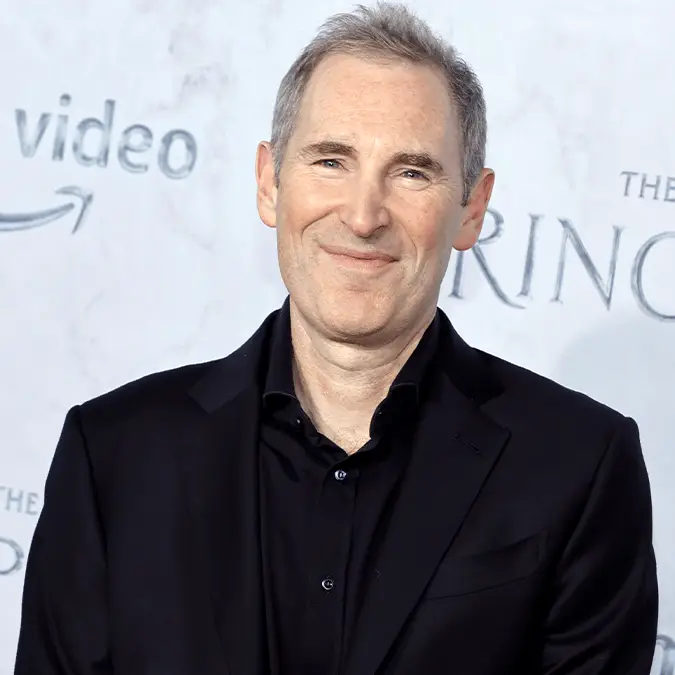
Amazon’s CEO reportedly told the White House Anthropic’s new AI was ‘too powerful’ before historic government shutdown


The Trump administration has issued an unprecedented suspension against Anthropic's new Fable 5 model, with the AI supergiant stopping access to Fable 5 and Mythos 5 in order to comply with the government's mandate.
In the aftermath of Mythos causing a stir earlier in the year when it broke out of its own sandbox and was branded the 'most dangerous model' yet, Anthropic had been working with some of the world's biggest companies to ensure we don't have a Terminator situation on our hands. Despite public backlash, Mythos was released to the public and rebranded as Claude Fable 5 for general use...but not for long.
The Trump administration and Anthropic are locked in a separate lawsuit about what power government agencies have over AI tools, but drawing blood, the U.S. government issued a letter demanding that access to the Fable 5 and Mythos 5 AI models be suspended for foreign nationals due to national security concerns. A statement on Anthropic's site explains how this extends to foreign nationals living in the USA and foreign national Anthropic employees, with the AI giant adding: "The net effect of this order is that we must abruptly disable Fable 5 and Mythos 5 for all our customers to ensure compliance. Access to all other Anthropic models will not be affected."
Advert
Anthropic itself had referred to Mythos as 'too powerful', and although many were sounding the alarm bells, Amazon boss Andy Jassy supposedly lobbied the White House.
According to Reuters, Jassy was among several big names from the world of tech who raised security concerns about the world's most powerful AI models to the President of the United States.
Anthropic had issued its own warning about the dangers of Mythos' hacking capabilities and held it back from a wider release. This means it's no real surprise that Jassy might've been concerned when it went public in June 2026.
The Information was the first to report on Jassy, also citing a U.S. official who said that other AI companies likely won't be forced into the same corner as Anthropic. Reuters tried to clarify this but couldn't confirm whether the current administration will continue regulating other forms.
The U.S. Commerce Department's Bureau of Industry and Security oversees export controls and said it 'reluctantly' issued the order after Anthropic CEO Dario Amodei refused to "fix the jail break or de-deploy the model."
As a White House adviser and AI czar, David Sacks continued: "The Admin’s hope now is that Anthropic remediates the safety issue, the export control is lifted, and Fable goes back into general release."
Politico claims that a series of heated phone calls between government officials and Amodei involved the latter saying that a security bypass discovered by Amazon wasn't a full jailbreak of Mythos' safeguards.
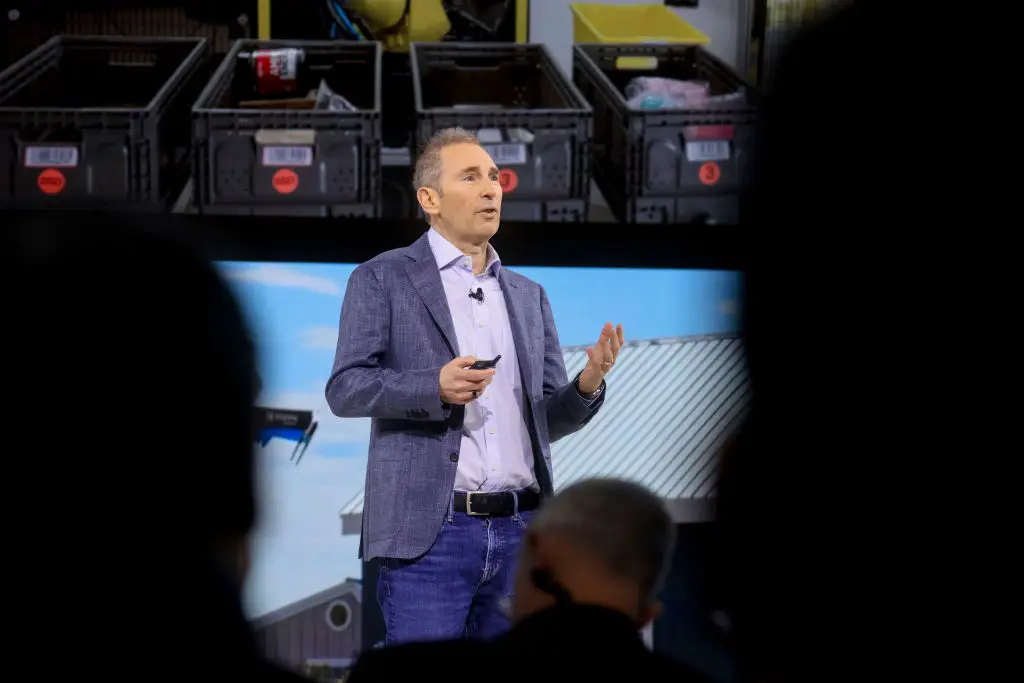
Not everyone was in favor, with Jimmy Goodrich, a senior fellow at the University of California's Institute for Global Conflict and Cooperation, saying: "This was not well thought-out. It even bans Canadians and Brits employed at Anthropic from doing research and development.”
In terms of Jassy, an Amazon spokesperson reiterated: “As a leading cloud provider that serves a large number of private and public sector customers, it’s not uncommon for governments to seek our counsel on potential security risks.
“When they occur, we don’t share the details of these discussions."
There are claims that the U.S. government had suspicions that a Chinese-linked group had tried to use a jailbreak that Amazon discovered, although it's unclear how it arrived at this. Anthropic claims that the government didn't mention this supposed Chinese attack.
Across the board, there have been increased calls for sovereign AI where countries can control their own AI systems with a local infrastructure and data instead of 'renting' from others.