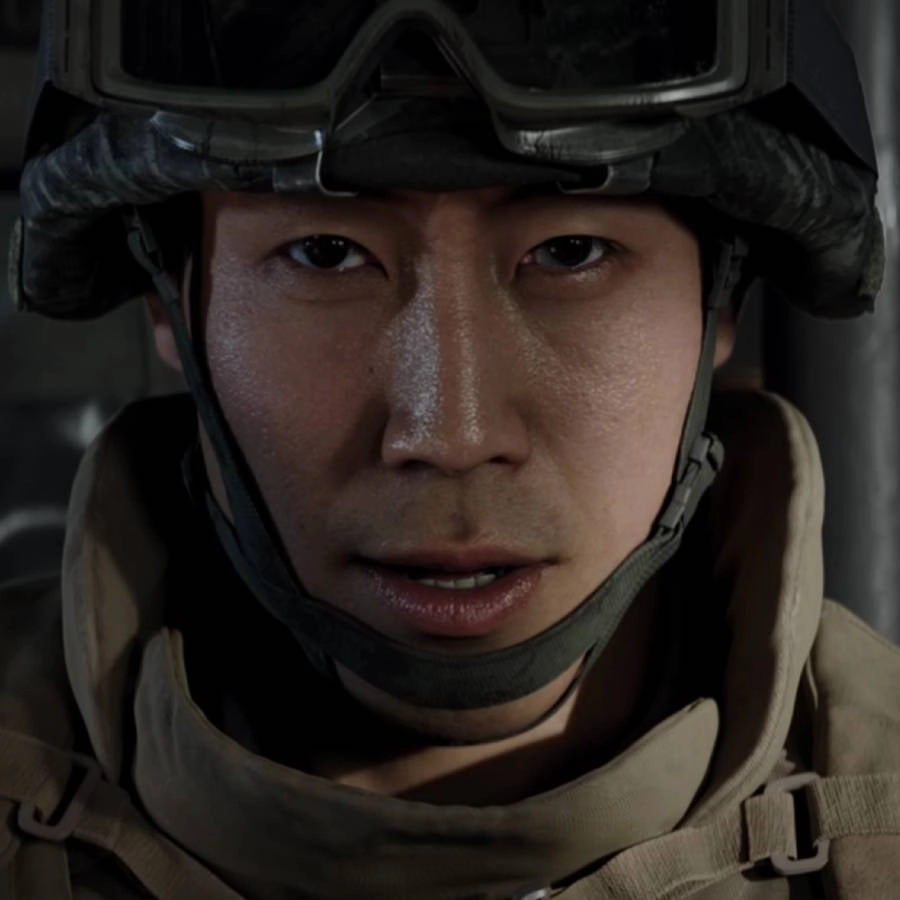
Men’s health expert warns Call of Duty players about late-night habit that could affect testosterone


As the seasons change and the nights start drawing in, it's more and more tempting to hunker down and keep warm inside. While many of us are still determined to make it to the gym or keep our steps up, others are happy to wrap up and plonk themselves in front of the TV for a Netflix binge or extended gaming session.
Even though every year is arguably a big one for gaming, 2026 is especially gargantuan thanks to the likes of Marvel's Wolverine, Gear of War: E-Day, and The Legend of Zelda: Ocarina of Time remake. Grand Theft Auto VI is expected to blow everything out of the water, and unless something goes spectacularly wrong, it'll undoubtedly be the best-selling game of the year.
That title typically belongs to Call of Duty, being consistently crowned the best-selling game of the year aside from a couple of outliers like Hogwarts Legacy earning the honor in 2023. Even though Call of Duty: Modern Warfare 4 has soared to the top of the charts in the aftermath of its October 23 release, one health expert has issued a warning about how it could be wrecking men's testosterone.
How could Call of Duty be bad for men’s health?
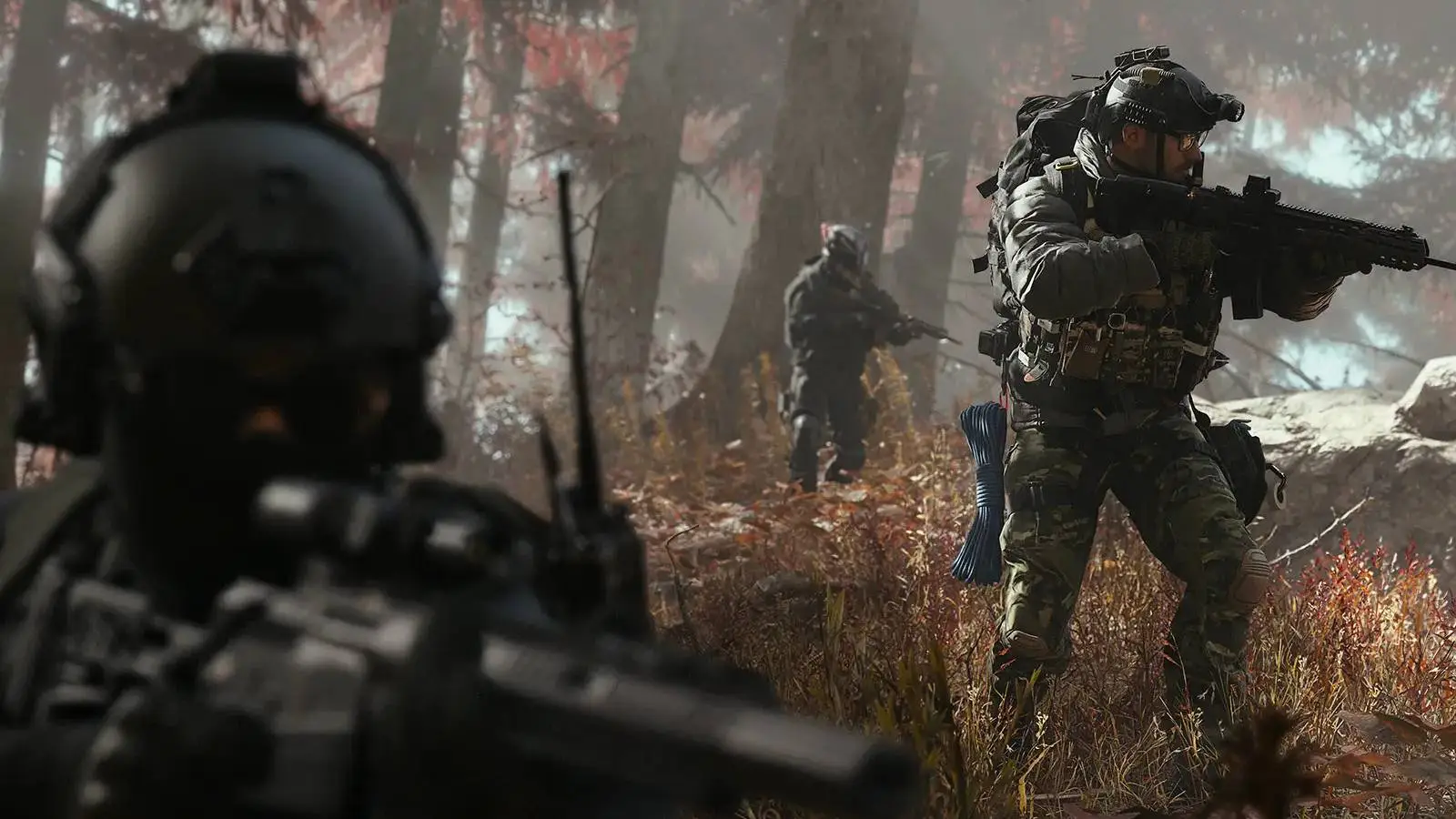
According to Anneliese Cadena, AGNP-C, Clinical Advisor at men’s health platform Feel30, playing video games themselves aren't linked to low testosterone, but instead, associated habits could be stripping your body of it.
Advert
Feel30 analyzed Google searches for "low testosterone" in July 2026, nothing that it was queries more than 1.2 million times per month.
Searches for "TRT (Testosterone Replacement Therapy) for men" were up 94%.
Looping back to Modern Warfare 4, Cadena warned that gamers should keep an eye on what happens between matches, especially if you notice gaming starts to affect your sleep, physical activity, and meals.
She reiterated: "One weekend won't suddenly cause low testosterone, but many of the behaviors that become normal during a major game release are the same ones we encourage men to avoid if they're trying to support healthy hormone levels.
"Sleep is one of the biggest factors and consistently sacrificing quality sleep can negatively affect testosterone levels over time.”
Five dangerous habits gamers need to look out for

According to Cadena, there are five specific behaviors to look out for that could be a sign that you're gaming too much.
One more match
We're reminded that an occasional night shouldn't mess with your sleep too much. However, if you're starting to repeatedly prioritize gaming over sleep, you're in danger of messing with your testosterone levels. Cadena tells us to set a strict time limit on how long you're going to play for.
Staying inside
It's hard enough to get enough sunlight these days, but when you're spending the whole day sat at a PC or console with the curtains drawn, you're robbing your body of the UVB rays used to trigger vitamin D synthesis in the skin and increase testosterone levels.
Back-to-back matches
As we previously mentioned, being hunched over in your gaming setup means you might not be getting enough physical activity. Over time, this can lead to weight gain and poorer metabolic health, which, again, are important for hormone health.
Bad diets
Grabbing a quick snack or fast food between matches is undoubtedly convenient, but you need to keep a balanced diet in mind. Again, a single takeout order is different to relying on pizza and fries for every meal.
Give your brain a rest
Frustration and excitement can both lead to you being wired long after you log off. Like you should set a strict limit on how long you're playing for, think about adding a wind-down period to your routine before you hit the hay. Then again, feeling frustrated during a match doesn't always hint at a testosterone problem.
Cadena concludes that while it's fine to make time for gaming, make sure it's not at the expense of your health routines: "Gaming is an enjoyable hobby and a great way to socialise. The goal isn't to stop playing. It's simply to remember the basics that support your health. If you're planning a long gaming session, take movement breaks, stay hydrated, prioritise sleep when you can and try not to let one weekend become several weeks.”
Men experiencing persistent fatigue, low libido, reduced motivation, difficulty building muscle, and other symptoms tied to low testosterone should still seek professional advice instead of just assuming it's a testosterone