Marques Brownlee tests 'Whoop killer' against other smartwatches to see which is actually worth the money


Marques Brownlee has put two of the biggest smartwatches to the test against Google's brand-new Fitbit Air to see which comes out on top, and the results are interesting.
In the video, the content creator wears the Whoop 5.0, the Fitbit Air, and the Apple Watch simultaneously across workouts, games, practice sessions, recovery periods and sleep to see whether the cheaper alternatives can compete.
Here's how each smartwatch stacked up.
Google just dropped the Fitbit Air, which has a pretty irresistible $99 price tag. The question is, will the features make it a true game-changer in the wearable market.
Whoop 5.0
The first thing to understand about Whoop is the cost structure. After purchasing the smartwatch, the tracker itself requires an ongoing subscription to operate.
Advert
"You buy the tracker and then pay a membership subscription that starts at $200 a year and goes up to $350 a year, forever," Brownlee highlighted. Without that subscription, the device is essentially 'useless.'
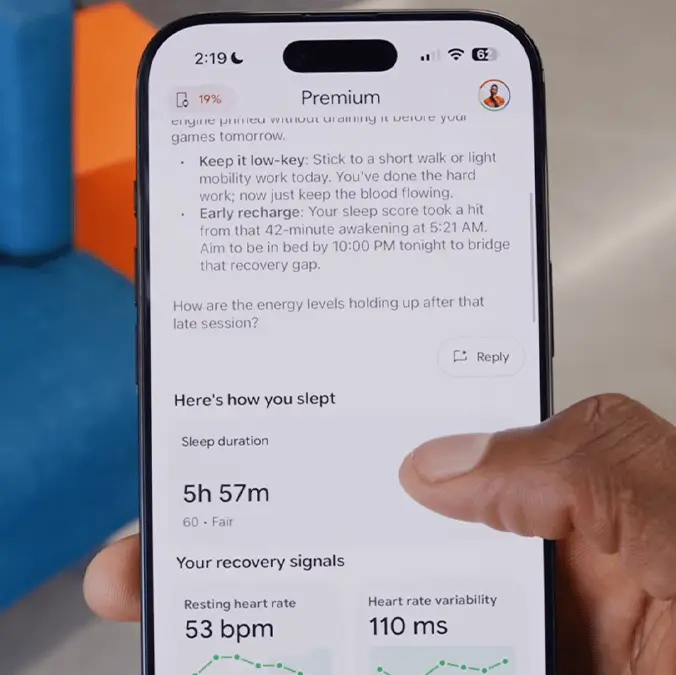
In return, however, users receive a detailed analysis of their health data. The Whoop app includes 'a live heart rate graph, a daily stress monitor, a personalised recovery score, and a built-in journal' that helps users identify patterns influencing their metrics.
"There's even an advanced labs feature where you can literally upload lab blood test results and explore your different biomarkers and how they change over time," the tech YouTuber said.
The watch also comes with an AI assistant that lets you discuss your workouts and metrics in detail.
Although the calibration takes time, it provides a detailed picture of your health. According to Brownlee, the Whoop takes four days to generate a personalised recovery score, seven days for the health monitor, 21 days for health span and 30 days for full calibration.
Battery life sits at a strong seven to eight days, and Whoop's clever portable charger solution lets you pre-charge a separate unit and slide it onto the watch mid-wear, so you don't have to take it off to charge.
FitBit Air
Unlike the Whoop, the FitBit Air works perfectly well without a subscription.
A paid tier is available for 'extra features,' but it is cheaper than Whoop at $100 a year, Brownlee described. The design is also notably slimmer and lighter than the Whoop and the health experience covers a 'good amount of basic tracking' including heart rate monitoring, step tracking, calories burned, sleep tracking and more.
The app integrates directly into Google Health and connects to an AI coach that offers workout guidance, weather-based suggestions, and 'personalised responses.'
However, for those with concerns about how much data Google collects, handing over detailed health information to the tech giant might feel like a dealbreaker.
The FitBit takes around seven days to get to know your patterns before its tracking becomes more personalised.
Meanwhile, its battery life is slightly shorter than the Whoop by a day or so, but it exceeds the Apple Watch's. Charging is handled via a magnetic connector with a micro USB cable so portable charging isn't an option.
How do the Whoop and FitBit Air hold up against the Apple Watch?
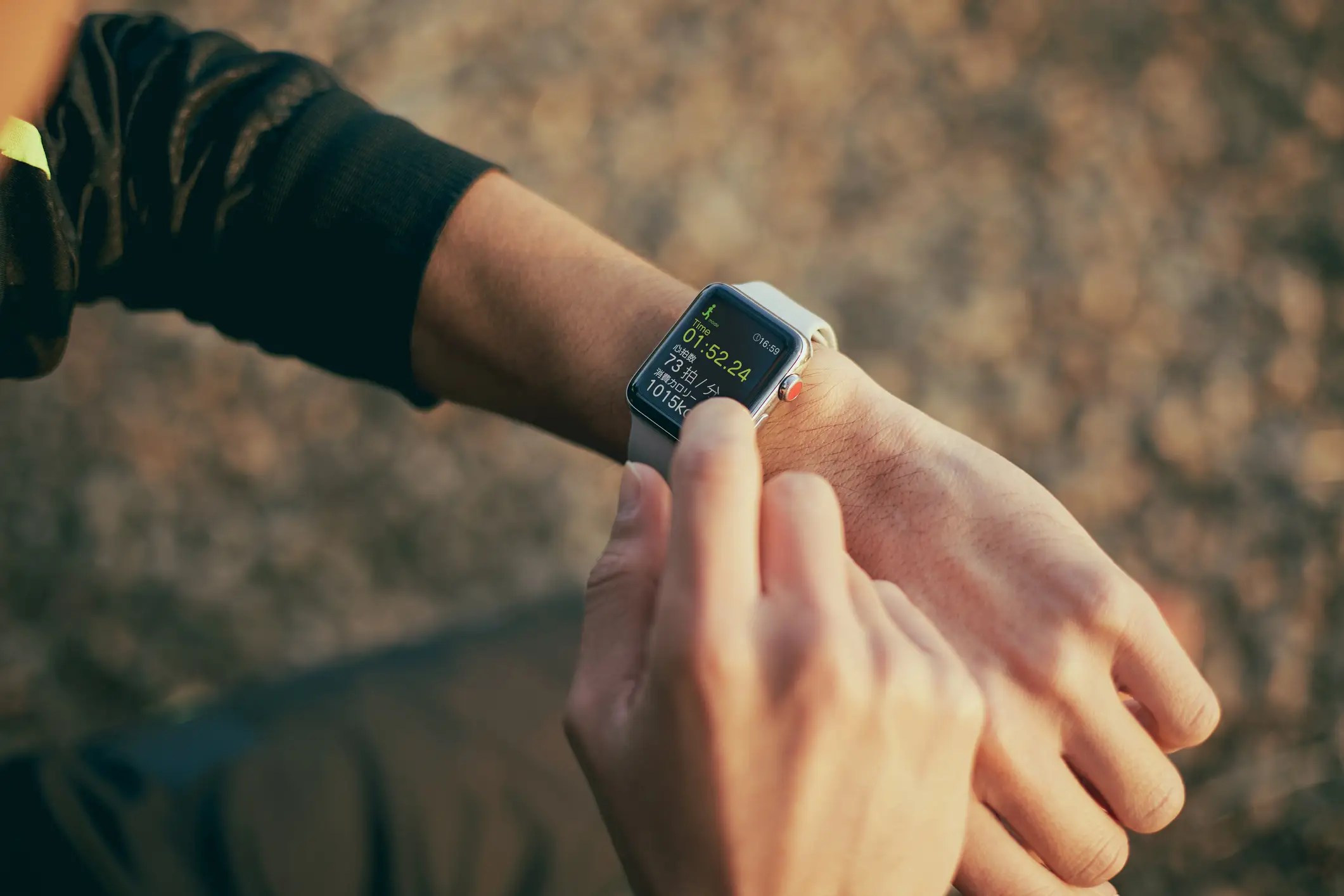
By comparison, the Apple Watch feels more passive when it comes to tracking.
It tracks steps and calories as you go, but does not build a personalised picture of your health over time in the way the other two devices do, Brownlee explained.
He added that the Apple Watch 'clearly overcounts calories' and the data it provides week to week does not shift or adapt based on your activity patterns.
It is also limited to iPhone users while both the Whoop and FitBit Air work with Android and iOS.
Which smartwatch should you buy?
So, the answer depends on what you want out of a fitness tracker, whether it's basic metrics tracking or a comprehensive picture.
That said, Brownlee pointed out that the 'FitBit does 90 percent of what Whoop does without a subscription' but only for those who want 'basic tracking.'
As he puts it: "If the Apple Watch is like beginner mode of just getting started, it feels like the FitBit Air is [...] medium proficiency. [...] The Whoop is made for someone more advanced."