
What Apple can actually access in your account as Russia adds company to surveillance registry


Apple users may be wondering just how much of their personal information could be accessed by authorities after Russia added the firm to a government surveillance registry.
The listing has raised questions about what info Apple could be required to hand over to the Russian government, although it is important to note there is a distinction between what a government demands from a company and what the firm can actually provide.
The move doesn’t mean that Russian authorities can suddenly access every iPhone user's messages, photos or other personal data, but it does spark fears around privacy and cybersecurity.
Apple has published details about its data security practices and the information it says may be available in response to lawful requests.
What does Russia adding Apple to its surveillance registry actually mean?
Being added to a Russian government registry associated with surveillance requirements does not necessarily give authorities unrestricted access to Apple's systems or the contents of every user's account.
Advert
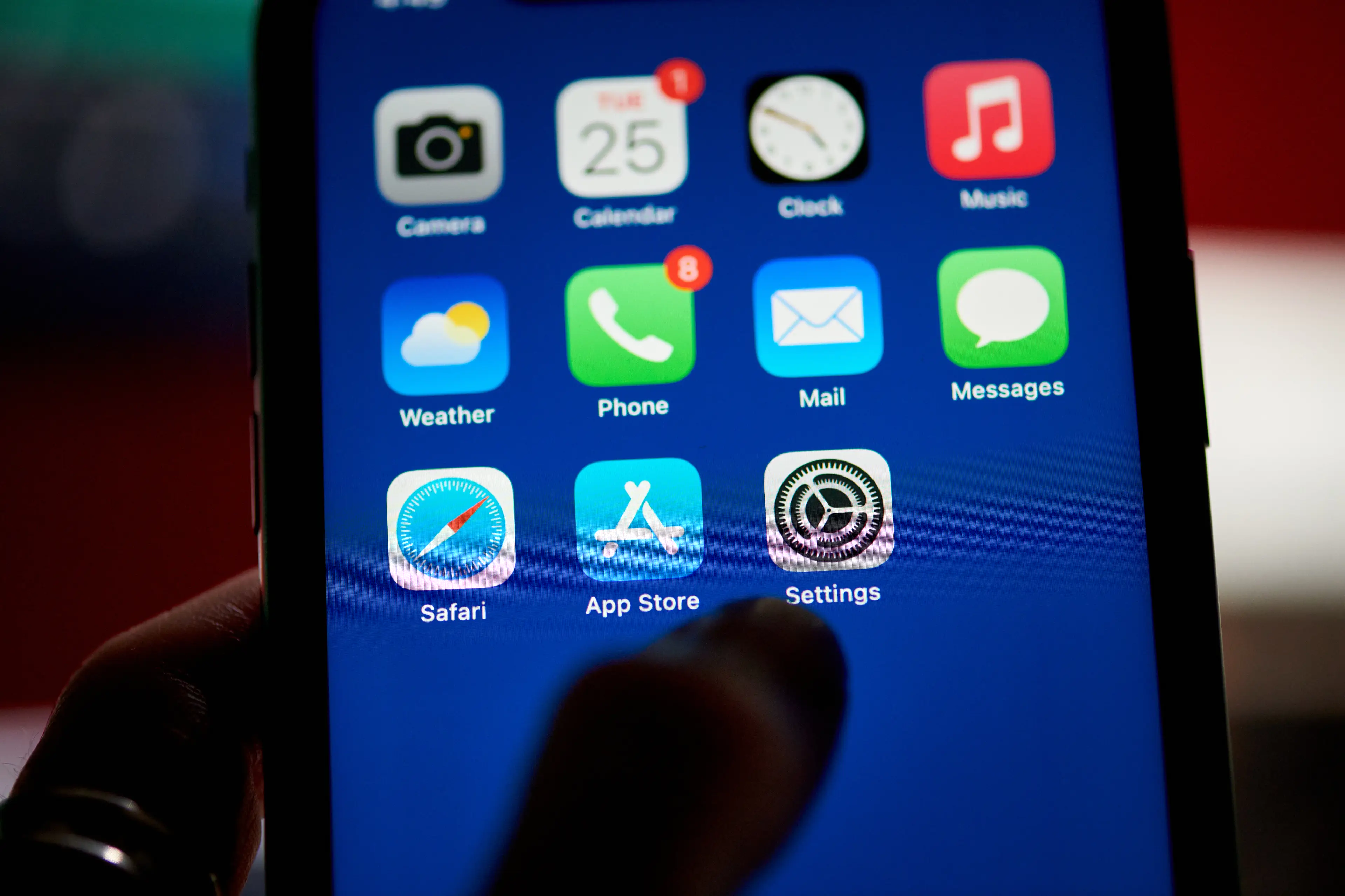
Instead, it raises questions about the company’s potential obligations under Russian law, and the exact implications depend on the legal requirements attached to the listing and any specific requests made to Apple.
According to Apple’s iCloud security overview, some categories of information remain accessible to Apple under the service’s standard data protection settings, while others receive end-to-end encryption.
Meanwhile, Apple’s standard protection states that information such as iCloud Mail, Contacts and Calendars can be decrypted by Apple, allowing the firm to help with account recovery and other service functions.
This doesn’t mean Apple routinely reads this information or automatically hands it to governments, but it does means that the company may have the technical ability to access certain data if it receives a valid request and the applicable legal requirements permit disclosure.
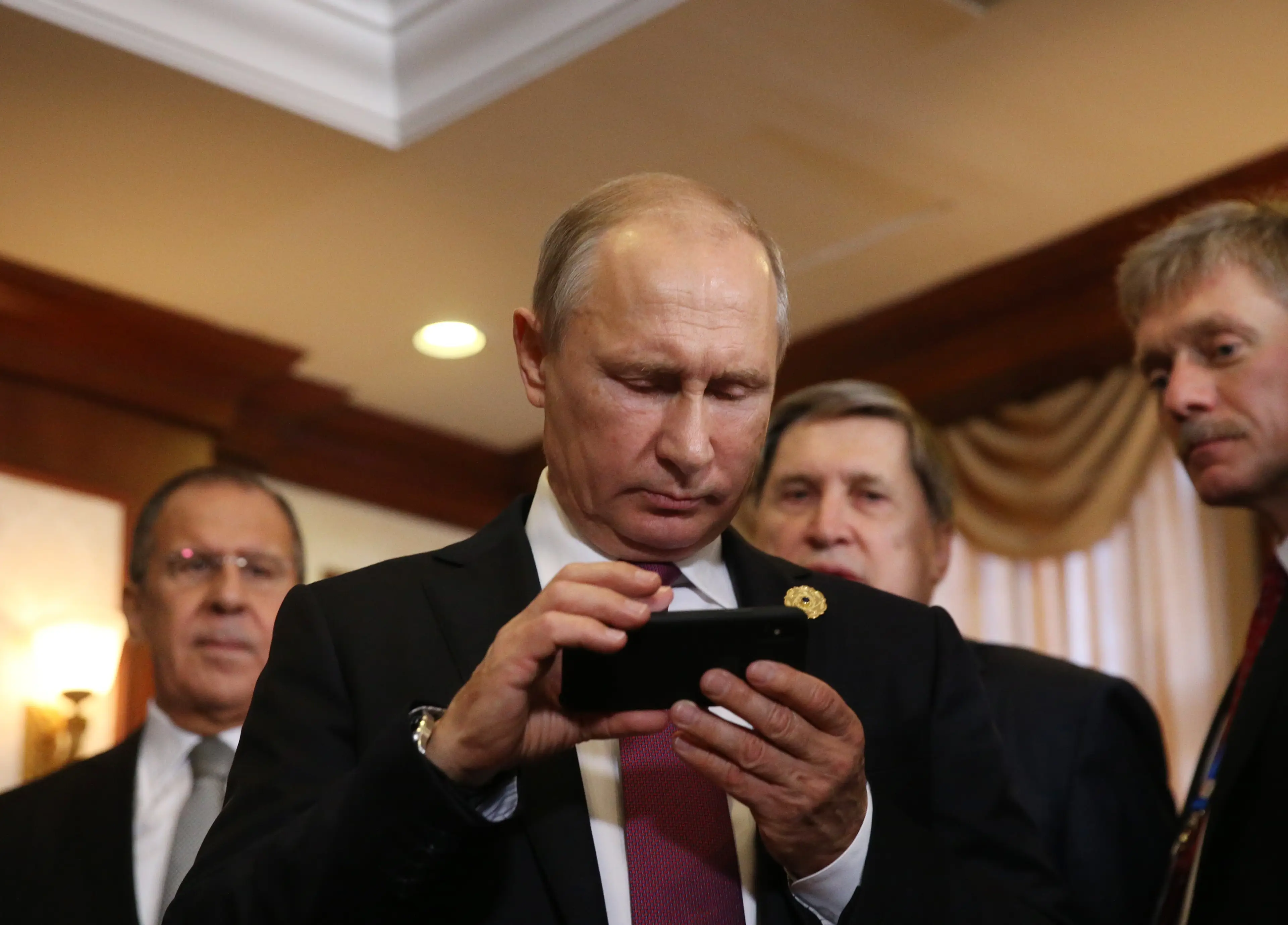
Can Apple hand over your iMessages?
Apple’s iMessage security documentation details that the tech giant cannot decrypt the contents of iMessages or their attachments while they are protected by end-to-end encryption.
This means that a government request for the actual content of an encrypted iMessage conversation is different from a request for information associated with an account. Apple might still hold certain account identifiers, such as registered phone numbers and email addresses, alongside device-related information.
These details could potentially help to establish which account or devices are associated with a person but it won’t reveal the contents of their private conversations.
For users worried about the implications of the registry listing, one of the most relevant settings to check is Advanced Data Protection.
The feature can be enabled through an Apple Account’s iCloud settings on supported devices.