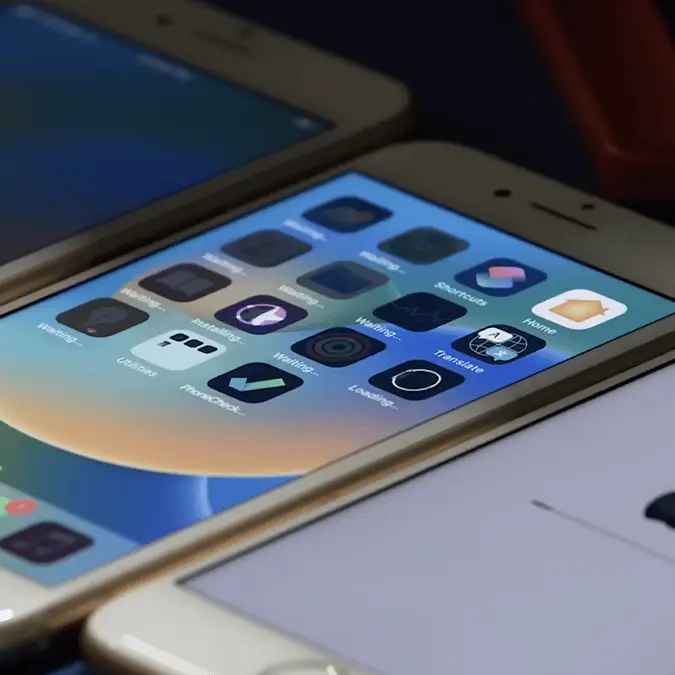
Everyone calls out same issue in video exposing how traded-in iPhones get refurbished


Millions of used and refurbished devices change hands each year across North America alone, creating a powerful secondary market for smartphones.
A tech reporter from The Wall Street Journal tracked an iPhone 11 as it travelled through a New Jersey warehouse operated by US Mobile Phones - one of the major companies receiving devices collected from wireless carriers.
The facility processes tens of thousands of phones per week, with Apple devices accounting for the majority. Many of which undergo what companies describe as a complete refurbishment process.
Advert
Once complete, the devices are sold directly to consumers through various channels, including Amazon, Back Market, and the company's own retail platform, Back in the Box.
The refurbishment process begins with data security and diagnostics. Workers connect phones to specialised software that completely erases personal information from the previous owner, and then conduct a series of tests on the cameras, speaker, touchscreen, sensors, and colours.
Next comes the cleaning phase, where workers deploy an array of tools, including microfiber cloths, brushes, sponges, and sanitising solutions, to restore each device to what they consider a presentable condition.
The phones then receive grades based on their cosmetic condition after testing and cleaning. Any damage would result in a lower grade and lower the smartphone's price point. In the WSJ’s case, the iPhone 11 earned an ‘A’, making it a strong candidate for premium refurbished pricing at the higher end of the market.
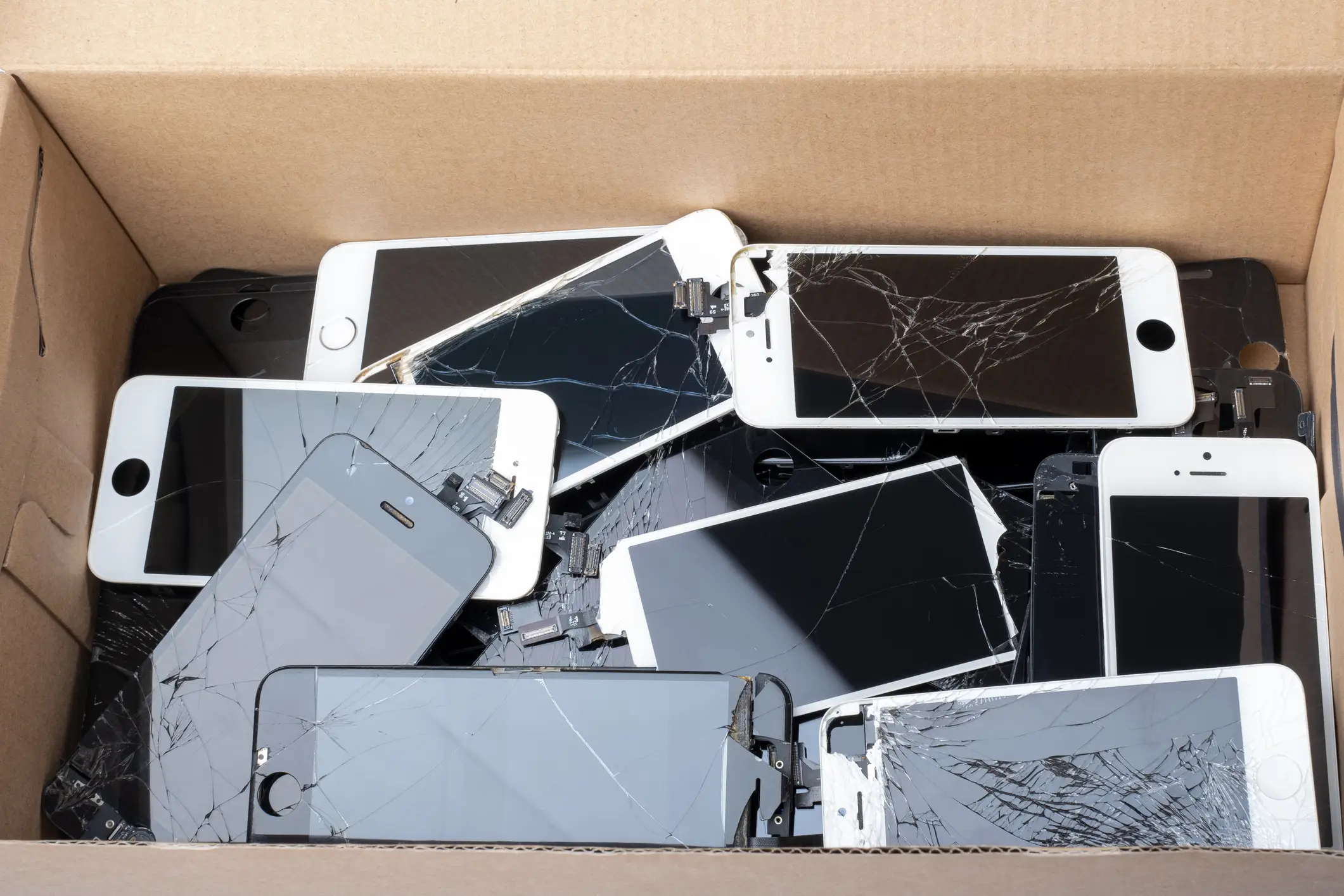
Finally, each phone is boxed with a charger (without a plug), padding, and packaging.
At the time the video was produced, Apple valued a used iPhone 11 at approximately $200 toward a new device. However, refurbishment companies like Back in the Box often purchased those same devices from carriers for closer to $250.
But viewers in the comments section weren't impressed with what they saw, with many pointing out the same issue with the process. People questioned whether what was shown actually constitutes genuine 'refurbishment' or is simply reselling used phones with minimal work done.
"These are not refurbished phones, they are just used phones! "Refurbished" means at a least a new battery is installed. Sometimes even the aluminum chassis is replaced to give it a non-scratched look," one frustrated user wrote.
"Wiping a phone with a cloth is not a refurbishment," another user complained.
"Biggest issue for me would be that they aren’t replacing the battery. With older phones that’s a big problem," a third user identified.
From a business perspective, using 'refurbished' rather than 'used' allows companies to charge more and makes products sound more appealing to consumers wary of buying secondhand electronics. But as the comment section makes clear, this marketing approach risks backlash when customers realise they're not getting the level of restoration they expected.