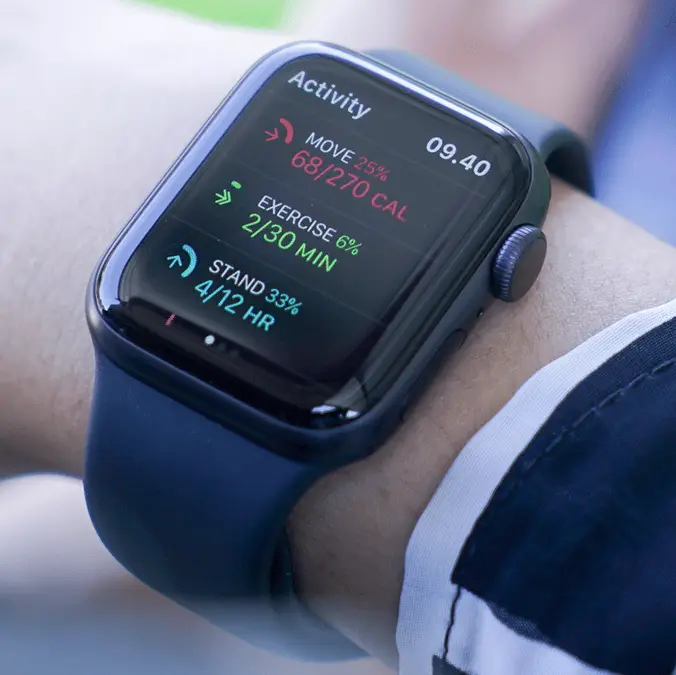
Doctor reveals 'hidden' Apple Watch features that can transform how you manage your health


Many people already rely on their Apple Watch for various health metrics, but one doctor has revealed a number of 'hidden' features that'll transform how you use the popular wearable device.
While some have opted into the Apple Watch world for the synchronicity it brings with other Apple products – or simply because of how it looks – plenty of others have jumped at the chance to track their health and activity in a meaningful way.
It's not just about measuring your steps either, as the wearable device gives you a plethora of ways to see how your body is performing, both in workouts and in daily life, and you'd be silly to pass up that kind of information.
There are actually a number of features that people surprisingly either aren't aware of or aren't taking full advantage of though, and one doctor has detailed which ones you should pay attention to if you want to up your health game.
Advert
As shared by CNET, Apple's very own Dr. Lauren Cheung has revealed the tools you should be ultilizing if you've got one of the tech giant's smart watches, and it all starts with the Vitals app.
This arguably reveals more about your health that any other feature on the Apple Watch, as it monitors your health and tracks data overnight to provide a picture that you would struggle to get without a smart watch like this.
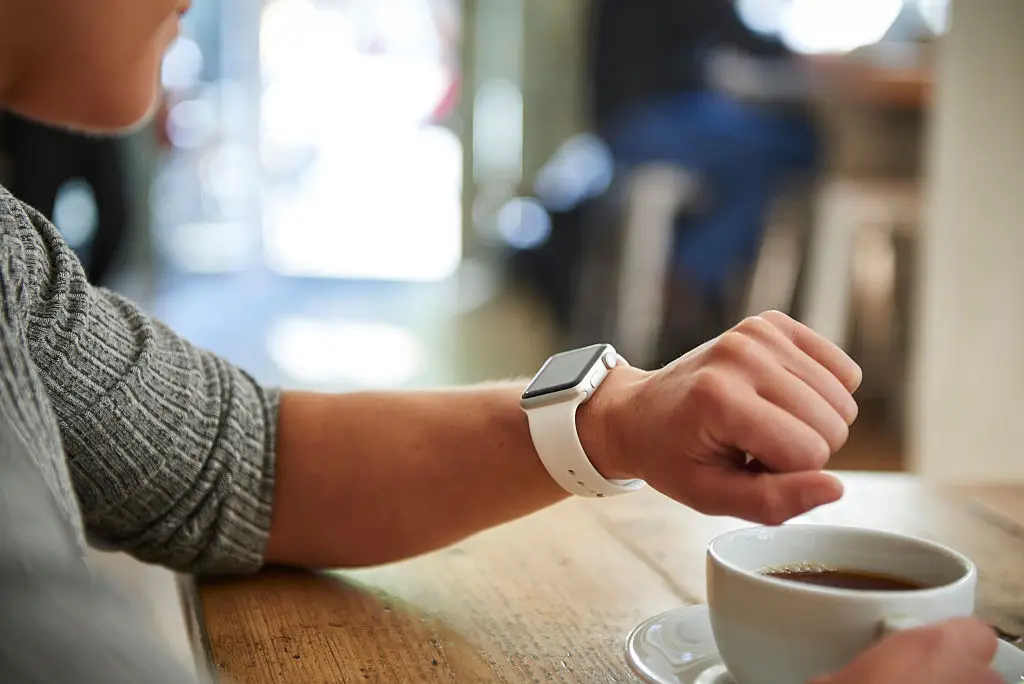
For example, you can access data that measures your heart rate, wrist temperature, respiratory rate, and sleep duration, and the app provides an overall picture of your health every morning.
"When two or more of your metrics are out of range, we will notify you with information about why that might be," Dr Cheung illustrates, highlighting instances where things like illness or alcohol consumption could throw your body out of whack.
Another majorly underrated Apple Watch feature is its noise notifications, which alert you to situations where your surroundings are louder than the healthy maximum for your ears.
A surprising number of people take the health of their ears for granted, yet it's one of the few things that's challenging (if not impossible in some cases) to get back once it's gone.
It could alert you to how loud concerts are, for example, leading you to wonder whether you should pick up some ear plugs (and the answer is always yes in that case), and it could be game-changing if you're able to move away from somewhere that's far louder than you anticipated.
Your Apple Watch even offered ovulation estimates to help you track your cycles, which provides a far greater level of analysis than a standard date-based app could provide.
Dr Cheung asserts that the technology on offer is "remarkable," noting that her team "created new temperature-sensing capabilities on Apple Watch that help you understand nightly temperature changes from your baseline temperature, which can be caused by exercise, jet lag, or even illness."
This all informs your Apple Watch and allows it to estimate when ovulation occurs. "The reason we can do that is because after you ovulate, there is a biphasic shift, or in other words, an increase in temperature in response to changing hormones," Dr Cheung explains.
One final thing that could genuinely save your life is the fall detection technology on your Apple Watch, as you never know when it might come in handy.
There's a chance that you might not be able to call for help if you take a heavy fall, and having this as a backup can ensure that emergency services are alerted and can get to you as soon as possible, reducing the risk of serious injury or worse.
When the alert appears – and it's smart enough to distinguish between genuine falls and impacts from 'false' ones – you have the option to say that you're OK or contact emergency services, and the latter will be automatically enabled if you don't move or respond for around a minute.