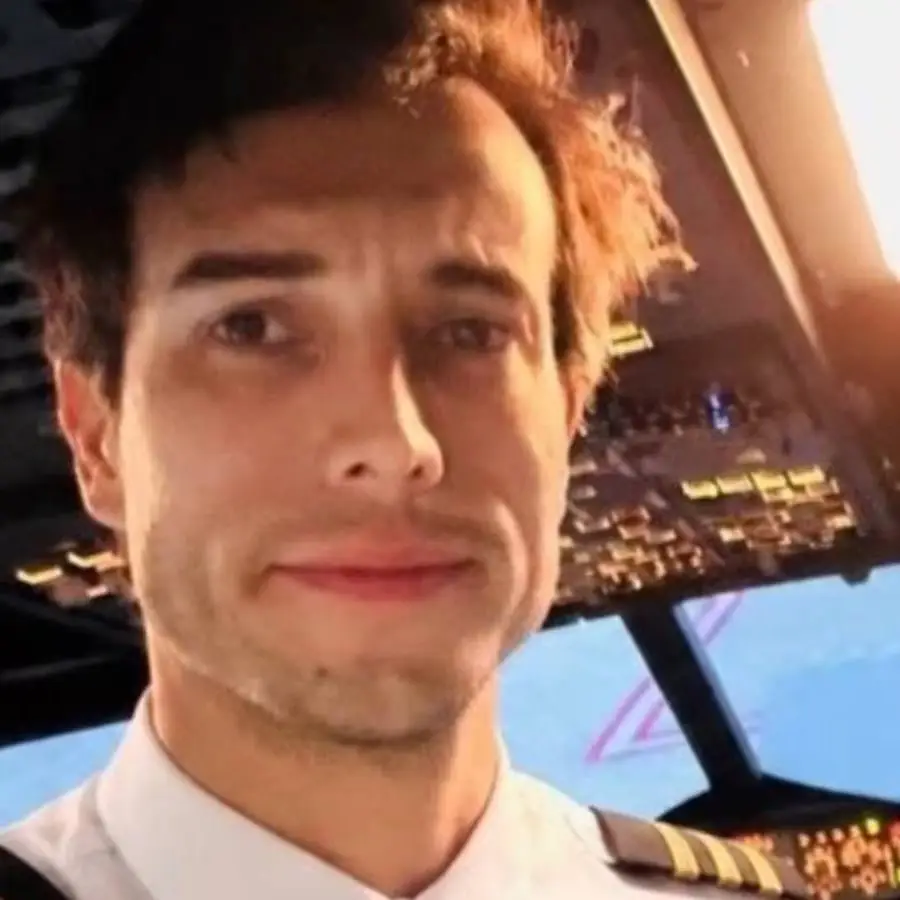
Student lands plane after teacher jumps mid-flight, sparking 'big red button' curiosity


One woman's flying lesson turned into a nightmare in the skies when her instructor apparently unclipped himself and jumped to his death while leaving her with an ominous warning.
On July 4, 42-year-old Leandro Andrés Bertazzo is said to have thrown himself from a Cessna 150G aircraft above the central Argentinian town of Toledo.
In this tragedy from the world of plane news, Bertazzo had been conducting a lesson with a 22-year-old woman called Rosario, with her initially believing he'd deployed his parachute when he bailed from the aircraft. Sadly, she soon realized this wasn't the case.
Argentinian outlet Todos Noticias (TN) reported the news, with Bertazzo's boss, Eduardo Álvarez, being alerted to the incident by Rosario. Álvarez is the director of the Flying Parrot school in the rural area of Córdoba, describing Rosario as "very clear, decisive, mature, and professional.”
Advert
It's said that Bertazzo removed his headphones, tidied the cabin, and then opened the door, also turning to Rosario and saying: "You know what you have to do, keep going."
Despite already owning a private pilot's license, she didn't have enough hours to fly unaccompanied, which is why she was joined by Bertazzo. She was reportedly able to land the plane without further incident.
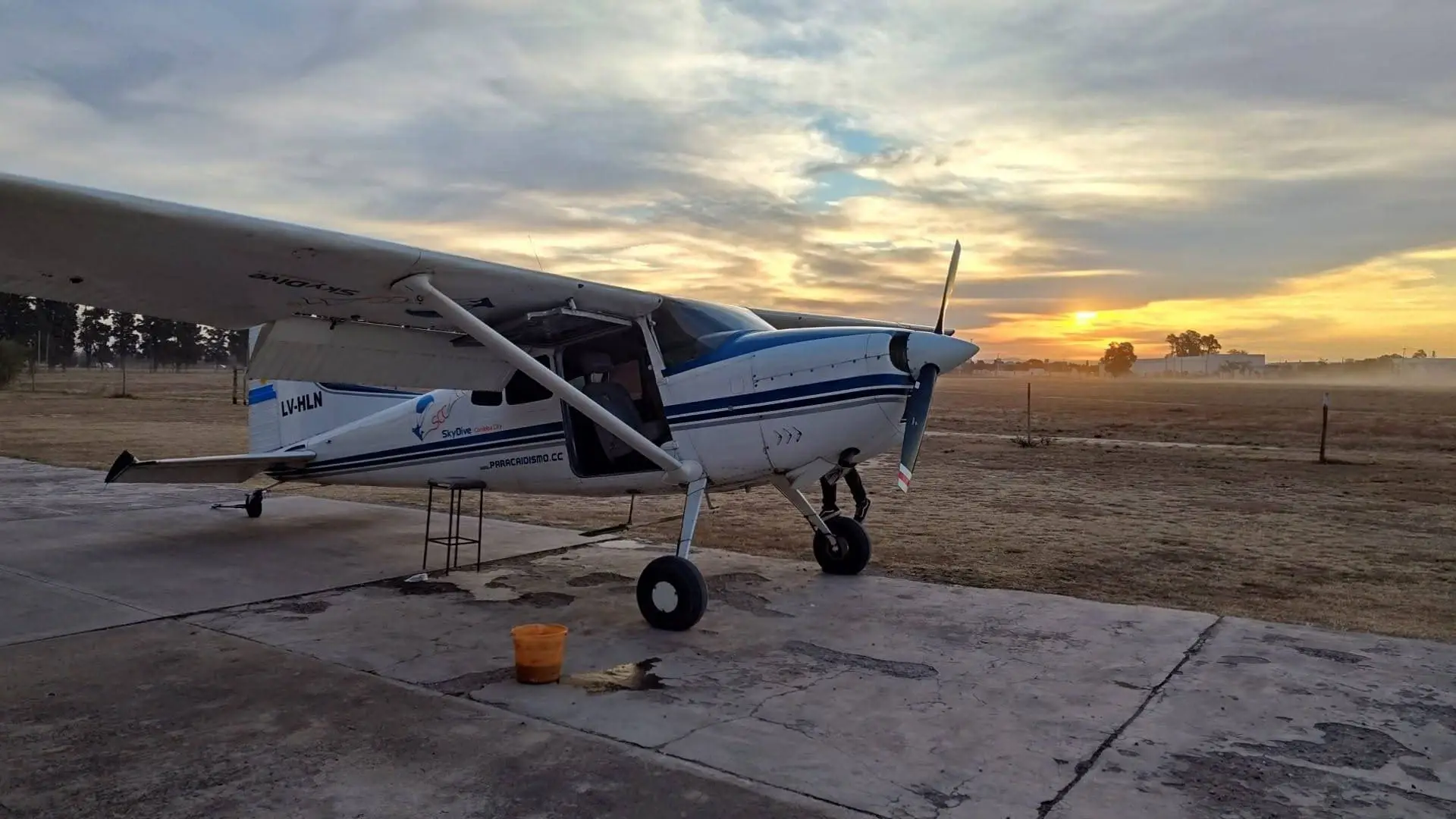
After Rosario landed the Cessna 150G, Álvarez immediately took off and was able to locate where Bertazzo had jumped between 15 and 20 minutes later. Emergency services attended the scene and confirmed his death.
In terms of Rosario landing the plane, Álvarez said: "She was very shaken, but with complete professionalism, she piloted the plane to the airfield and landed perfectly. She maintained a very high level of training and professionalism."
As for Bertazzo, Álvarez said: "He made this tragic decision aboard an aircraft with one other person by his side.
“There’s no way to think about it or understand it, but the human mind is so complex, so treacherous. That’s why what happened, happened."
The accident has raised questions about installing so-called big red buttons that are able to land planes remotely.
Shared by Flightradar24, Garmin’s Emergency Autoland was employed for the first time when a Beech B200 Super King Air N479BR suffered a "rapid, uncommanded loss of pressurization" on December 20, 2025. Although the two pilots were able to put on their oxygen masks and remain conscious, Autoland kicked in and safely guided the plane to the ground.
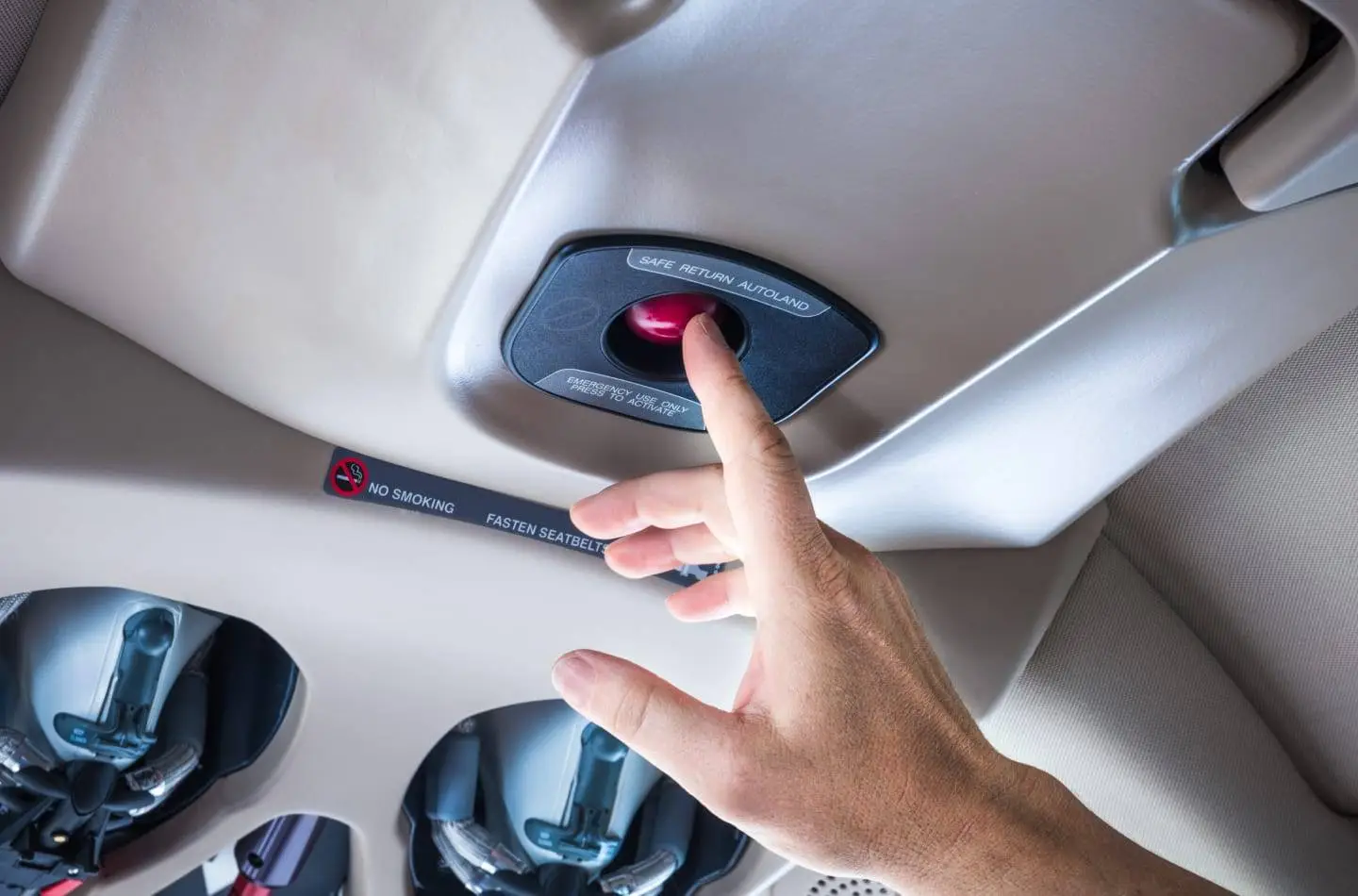
Planned for use in an event where pilots might be incapacitated, Autoland squawks an international emergency code, broadcasts a robotic distress call to air traffic control, picks the nearest suitable airfield, configures the aircraft for landing, and then lands while also shutting down the engines.
There was some backlash over Autoland's world-first landing, with the system causing unnecessary alarm by telling ATC the pilots were incapacitated. Instead of intervening, the pair let the landing play out as if they were unconscious.
Garmin Autoland is currently certified and is in active use on select light aircraft, which include the Cirrus Vision Jet (branded as Safe Return), the Piper M600, and the Daher TBM 940/960.
There are still questions about accountability, with government flight safety boards issuing guidance on how ATC systems should deal with autonomous broadcasts.
Critics have also suggested that we're focusing our time and money on a relatively rare occurrence, and instead, our efforts should be put into incidents of Controlled Flight Into Terrain (CFIT), making poor decisions in bad weather, and aerodynamic stalls.
Thankfully for the Córdoba tragedy, the student was able to land the plane without the need for Garmin Emergency Autoland or any other similar direct emergency systems, although it raises an interesting point.
As for Bertazzo, the investigation has now been handed over to the Federal Court of Córdoba.