Tesla's robotaxi with no steering wheel or pedals is about to be rolled out further in this part of US


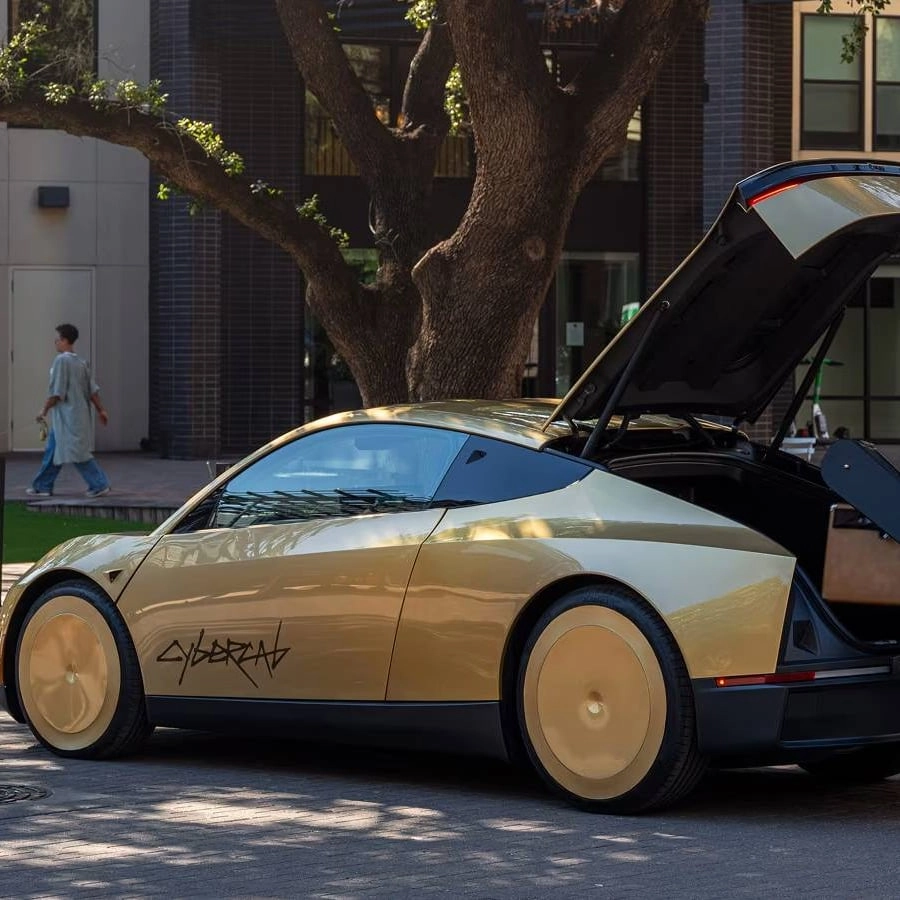
It's been a long time coming, but Tesla's fleet of Cybercabs is finally hitting the streets as Elon Musk's vision for the future is (almost) here.
While it's been a rough year for the world's richest man in terms of his finances with SpaceX and its somewhat disastrous IPO launch, Tesla is still chugging along after a pretty rocky 2025.
You might remember shareholder mutinies and customer boycotts due to Elon Musk's involvement with DOGE, and while it's been a mixed year as Tesla makes huge investments in AI and robotics, cars are still at its core.
Although there's been some confusion about whether Elon Musk can call his steering-wheel-and-pedal-free taxis Cybercabs, he's powering ahead with their rollout in one specific part of the USA.
Elon Musk's Cybercabs hit the streets
Advert
The Tesla Robotaxi service initially started with Model Y vehicles in Austin, Texas, back in June 2025. It's now added golden Cybercabs to the lineup, with customers supposedly able to hail them through the Robotaxi app.
Although the Robotaxi fleet now extends to Tesla Model Ys, Robovans, and Cybercabs in Austin, Dallas, Houston, Miami, Orlando, and Tampa, Cybercabs are only currently on the move in Austin.
In a pretty muted post on X, Tesla simply said: "The future has arrived in Austin."
As reported by The New York Times, Austin's Cybercabs indeed don't have a steering wheel or pedals, although there are only 41 of them in the city's entire 314-vehicle fleet.
Even for those racing to dive into this supposed glimpse of the future, finding a Cybercab to ride in might be harder than you think.
In 2019, Musk foresaw one million autonomous robotaxis on public roads by the end of 2020, and it's fair to say that timeline has shifted quite a bit.
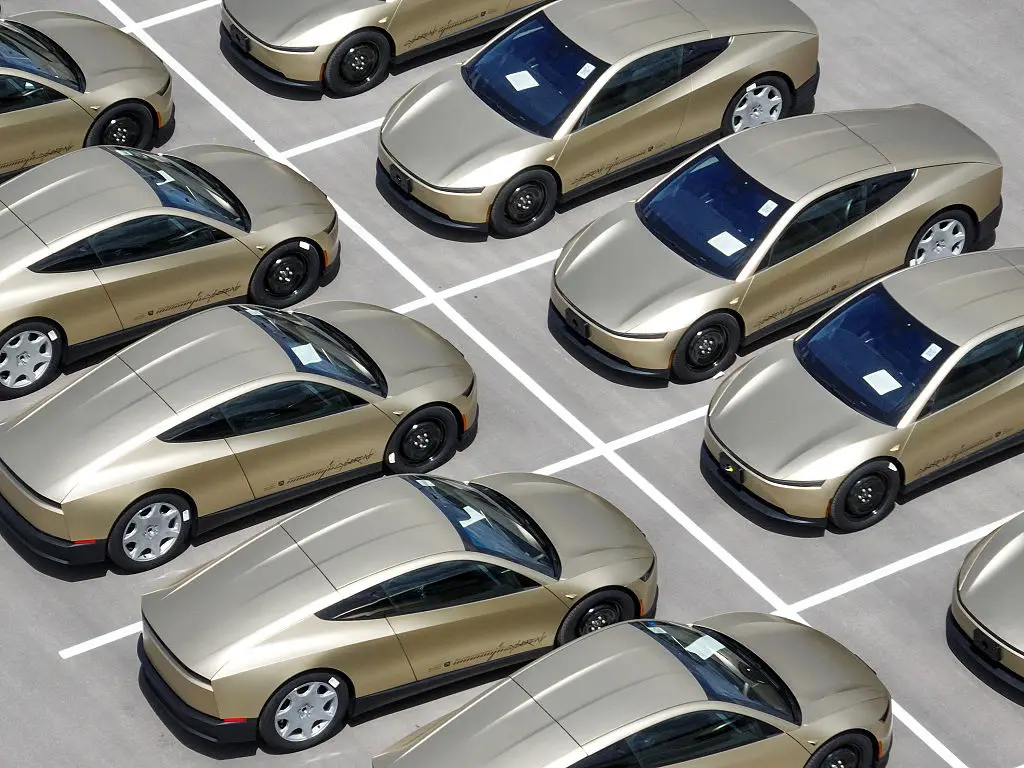
The NYT reminds us that Tesla confirmed it had started constructing Cybercabs at its Austin Gigafactory, with those same models seen in the picture above.
First unveiled in 2024, the Cybercab is the first new passenger vehicle since the Cybertruck and was originally slapped with a price tag of less than $30,000. Whether that's stuck remains to be seen.
Tesla under investigation over autonomous driving
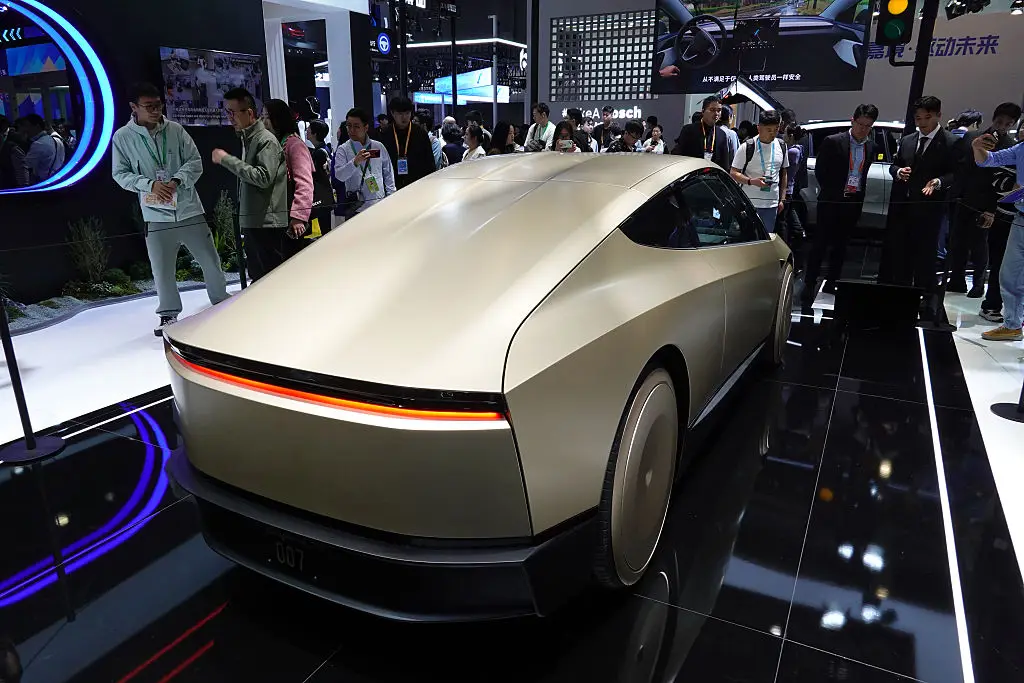
Even if you want to add a Cybercab to your own fleet at home, you might be waiting a while. The NYT notes that the fact that there aren't any human-operated controls means it would be difficult or impossible for private citizens to own or operate one in the USA. Even Tesla's current self-driving vehicles have the option for a human driver to intervene if something goes wrong.
It could be a short-lived launch for the Cybercab, with the National Highway Traffic Safety Administration (NHTSA) announcing that it has already opened a probe into Cybercabs.
This comes as federal vehicle safety regulations demand manual controls that extend to the likes of brake pedals.
Despite the Department of Transportation putting forward the idea of removing these requirements for vehicles that are supposed to be autonomous, the NHTSA says Tesla told it that the self-certified Cybercab was compliant with all Federal Motor Vehicle Safety Standards (FMVSS).
The agency said it was trying to "examine the process and technical data on which Tesla relied when certifying the Cybercab and related issues."
As many of the FMVSS were written for human-driven cars, it seems Tesla's self-certification came on them not applying to an autonomous vehicle.
The NHTSA isn't specifically targeting Tesla, as there was a similar situation when the Amazon-owned Zoox self-certified in 2022. The big difference here is that Zoox was still heavily in its testing phase.
For now, the Cybercab is still a small fish in a surprisingly large pond. According to the NYT, Austin's 41 Cybercabs still make its entire fleet far smaller than Waymo's 700+ vehicles operating in Texas, while Avride operates 344 Hyundai Ioniq 5 vehicles.