
YouTuber accidentally crashes rare plant market after discovering cloning


Supply and demand dictates almost every 'rare' market in the modern world, and a surprising number of valuable items are only considered to be worth the hefty cost applied to them because the available quantity is so low.
You can see this with many popular collectable hobbies, with Pokémon trading cards and some incredibly rare vinyl records being worth the value of a car, or even an entire house in the case of in-game items from a popular multiplayer title.
One product that you might not necessarily expect there to be a market for though is rare plants, as these hard-to-find flora can actually be worth anywhere between a few hundred dollars to even several thousand for the right collector.
Advert
These plants aren't often available on the general market due to their rarity, so you have to either export them in from across the globe or get in contact with a specialized grower in a process that probably feels illegal but thankfully isn't.
One plant expert on YouTuber didn't quite realize the effect that she would soon have on this specialized market though, as she managed to accidentally crash the rare plant trade world after discovering a mind-blowing cloning process.
As reported by Dexerto, a creator known as Plants in Jars has effectively destroyed the supply and demand balance of the rare plant market after her interest in tissue culture caused her to uncover a method that reproduces certain species.
She achieved this by taking a small piece of tissue from a preexisting rare plant, sterilizing it, and then placing it in a nutrient-rich gel in order to accelerate its growth.
What this does is create a 'clone' of the rare plant, and while it is entirely independent from its originating source, it retains the same genetic makeup that seed-grown plants do not have, as they instead produce natural genetic variation.
This has caused some controversy in the plant world, as not only do you have people holding and trading these rare plants that now have to contend with significant value drops, but you also have people who want to preserve this natural genetic variation.
Others argue that it's actually better for the long-term survival of these plants that otherwise risk going extinct, as smuggling them all across the world is never going to be beneficial for a plant species.
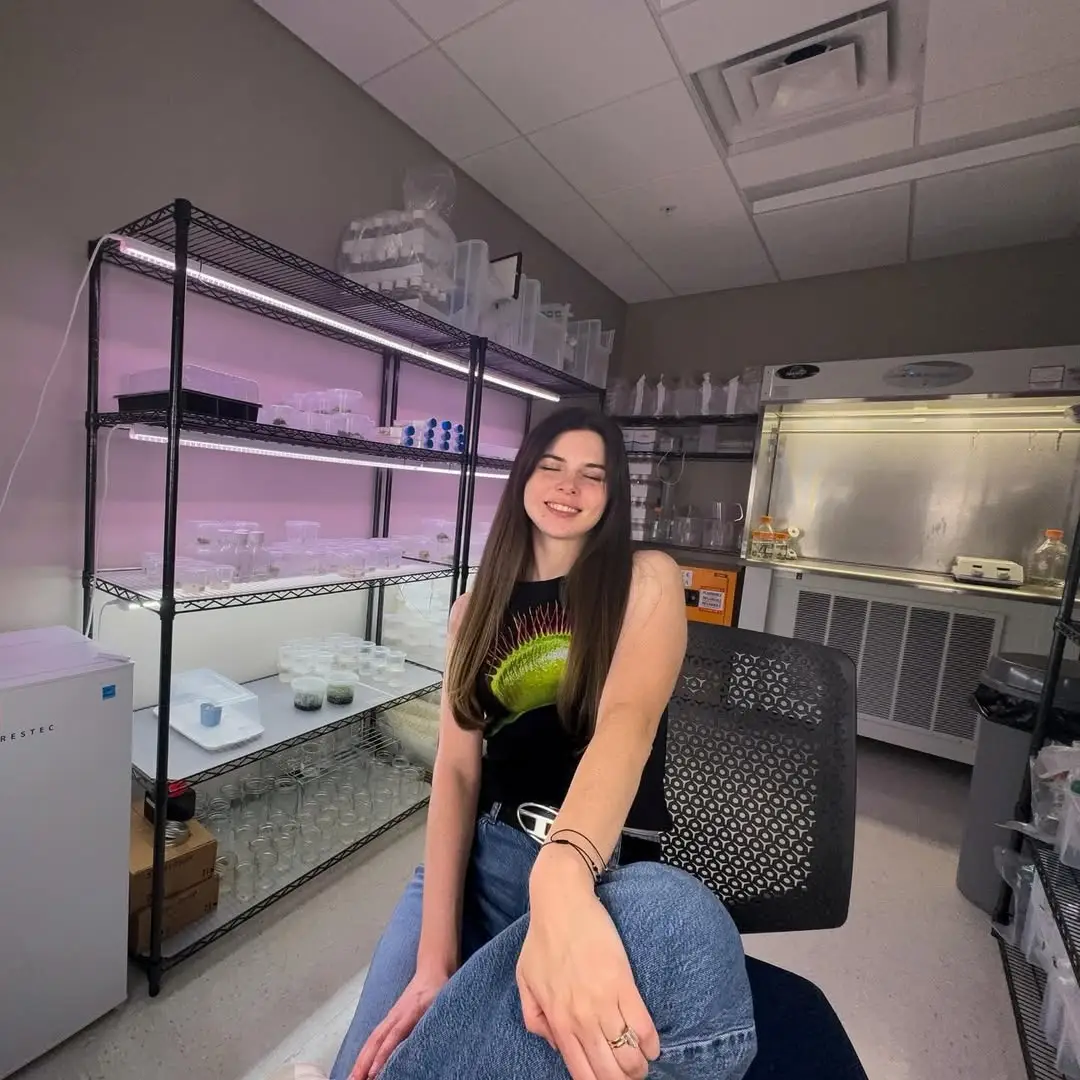
Plants in Jars herself has compared it to the debate surrounding diamonds, where people go back and forth between naturally mined gems and lab-grown alternatives, with the latter growing in popularity from a price and ethical perspective.
"Tissue culture is what collapses artificial scarcity the fastest, not just because it's a very effective method for cloning lots and lots of plants and more people are doing it, but also because more people know about it and understand it in the first place," she explains.
"I think that the era of gatekeeping rare plants is over," Plants in Jars adds. "Even if you do tissue culture very badly, you can still end up with a lot of plants. It's a very powerful propagation tool [...] The only people who are angry are the people who want to gatekeep."