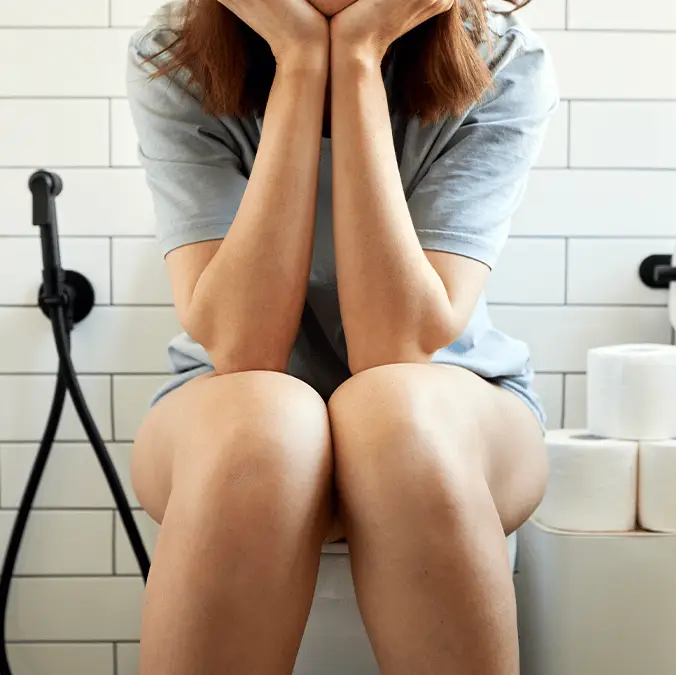
Seven-part poo chart reveals the healthiest type of poop and how to have the best one according to science


Pooping is something we all have to do on the regular, yet it's not always a pleasant experience and you can often be left feeling helpless as to how to improve your bowel movements.
You can sometimes run into issues where your poops are too wet, too dry, a struggle to pass, or even painful when you go, and no matter what you try it can seem like nothing is working.
However, one illuminating video has revealed the methods you can implement into your life to take the 'perfect' poop, using scientifically supported tips that should hopefully resolve any issues you might have in the bathroom.
Advert
The video, shared by Insider Science on YouTube, begins by outlining the seven-segment rundown of the Bristol Stool Chart, which goes from hard and bitty poop at number one all the way to runny diarrhoea at number seven.
When it comes to the 'perfect' poo you're aiming to be around the type three or four mark, avoiding the pain of constipation and the issues that come when things get a little too wet, but reaching this can involve taking on a number of changes to your life.
How you sit on the toilet
Surprisingly, one of the most effective changes that you can make to improve your experience when pooing is the position in which you sit, as modern toilets are actually inefficient when it comes to squeezing it out.
It might seem primitive to squat when pooping but it's actually the best way possible for feces to leave your body, and outside of getting your feet up on the seat the best thing you can do is opt for a stool to help pass your stools.
Raising your legs and bending forward slightly creates a much more efficient angle for your poop to leave your body, reducing the amount of straining that you have to do and avoiding any issues that might occur with hemorrhoids and even prolapsing.

Additionally, reducing the time you spend sat on the toilet – either on your phone or daydreaming – will contribute to a better pooing experience, and will also benefit your health in the long term.
Upping your movement
Increasing the amount you're on the move during the day can also aid digestion and enhance your poops, as it shakes your innards and accelerates the movement of gas, food, and waste through your system.
This can be especially helpful if you're constipated as it cuts the amount of time your lower intestine to absorb water from your stools, avoiding poops that end up on the dryer end of things.
Changing your diet
Generally adjusting your diet to cut out food that might be affecting your poo is a good idea in the grand scheme of things, but you might also want to consider upping your fiber intake as this can help with both ends of the scale depending on the type you're consuming.
Soluble fiber, for example, helps a lot with stools on the wetter side of things, as it slows down the digestion of foods and regulates your movements. This type can be found in fruit flesh, root vegetables, and cooked grains.

On the other side of the coin you have insoluble fiber, which is found in fruit skins, leafy greens, and the outer layer of whole grains. This keeps it shape when wet, and adds bulk to your stools to help with movement — extremely handy if you're feeling a little constipated.
It's generally a good idea to keep an eye on your stools depending on what you've eaten recently though, as there could be certain foods that affect you and prompt your body to create bowel movements on either end of the scale.
Dairy, caffeinated goods, meat, spicy foods, alcohol, greasy meals, and items that are high in sugar can all contribute to challenging bowel movements, so always take that into account.