
Scientists voice huge concerns over 'warm water' flowing towards big Antarctic ice shelf


One of Antarctica's largest ice shelves is rapidly thinning from the 'warm water' flowing towards it.
Researchers at Sorbonne Université analysed ocean data between 2017 and 2021 to predict the future of the Filchner-Ronne Ice Shelf (FRIS).
The study, published in the Journal of Geophysical Research: Oceans, discovered that if the shelf were to melt, it could dramatically increase sea levels. And this would be a huge problem for coastal communities, causing disruption to ecosystems and a whole host of environmental issues.
Located in the southern Weddell Sea, FRIS is roughly the size of Sweden and considered stable despite the threat of climate change. The shelf is protected by thick ice and cold seawater that flows over the underwater continental shelf around Antarctica.
Advert
However, past ocean models suggest it could be vulnerable to relatively warm water from the deep sea, according to Live Science.
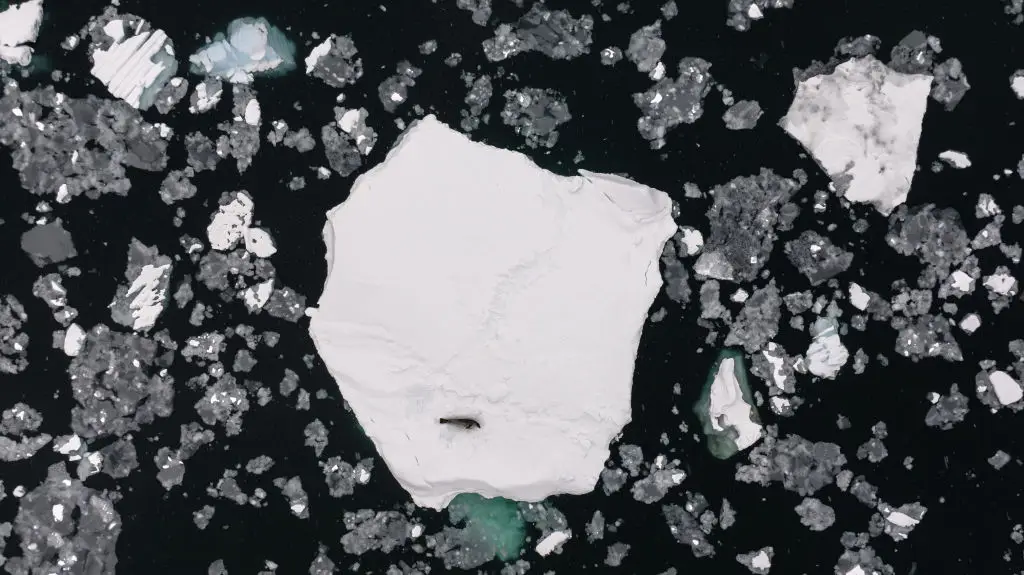
During the summer, warmer water from the open ocean flows onto the continental shelf through a channel called the Filchner Trough, the study reported.
Nadine Steiger and her team found that this rapid flow of warmer water could explain the reduced sea ice cover.
If the warmer water continues to reach underneath the shelf though, it would 'melt the base of the ice shelf,' Steiger, a physical oceanographer and the study’s lead author, told Live Science.
But before jumping to conclusions, the scientists want to determine whether this increased water flow is directly connected to climate change.
Kaitlin Naughten, an ocean-ice modeller at the British Antarctic Survey who was not involved in the study, told Live Science that the warm water could just be a 'warning sign.'
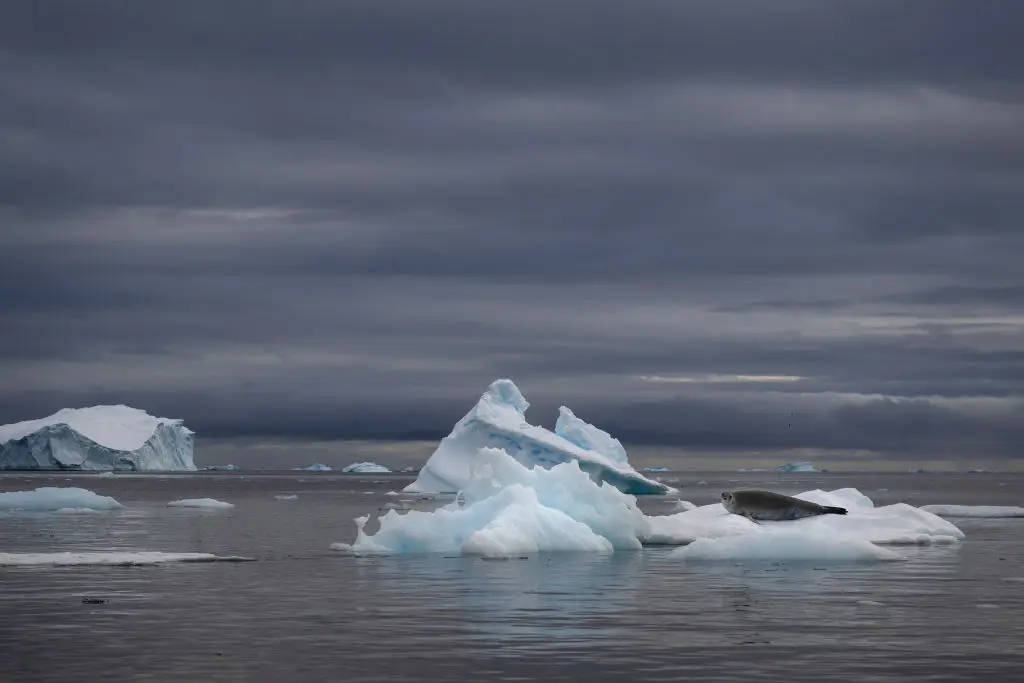
Whilst warmer water flowing toward FRIS is quite alarming, Naughten believes it may just be 'normal variability' in the region and as such, FRIS is unlikely to melt anytime soon.
"If worldwide governments fail to phase out fossil fuels and climate change spirals out of control, FRIS might have a big problem in a century or two," Naughten added.
Researchers have highlighted the importance of long-term observations of this region to better understand and predict future changes to ice shelves.
Earlier studies found a similar recurring pattern in that warm seawater rises from mid-ocean depths and travels towards the edge of the ice shelf in the summer months.
With this information, scientists can continue to make observations on how these massive ice shelves will respond to shifting climate patterns.