
Scientists uncover 1,200,000-million-year-old ice from the depths of Antarctica


Scientists might just have made a vitally important discovery when it comes to understanding the Earth's origins, as ice has been extracted from the depths of Antarctica that might be over 1,200,000 years old.
Much of Earth's history can be discovered by materials found closest to its core, as anything in proximity to the bedrock is bound to be able to give a picture of conditions from millions of years ago.
Parts of Earth as old as the Pangea landmass have been discovered by geologists alongside chunks that date over 4.4 billion years ago, but one recent discovery in the depths of Antarctica could be one of the most intriguing yet despite it's 'young' age of just 1,200,000 years.
Advert
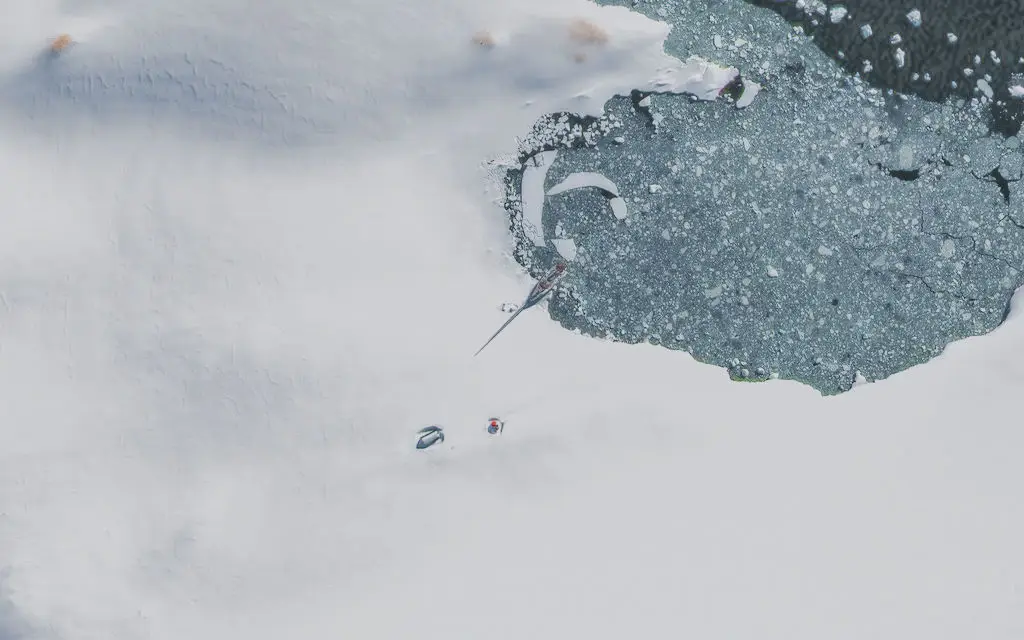
Scientists at a remote site called Little Dome C in Antarctica have managed to drill an ice core stretching over 2,800 meters (9,186 feet) to the point which the ice meets bedrock, as reported by IFLScience.
From this they have managed to extract ice dating back 1,200,000 years, and it could be the key to further understanding the origins of Earth.
The release detailing the successful extraction outlines: "The extracted ice preserves an unprecedented record of Earth's climate history, continuous information on atmospheric temperatures and pristine samples of old air with greenhouse gases spanning over 1.2-million-year-old ice and probably beyond."
What remains so distinct about extractions of ice is that it almost acts as a natural time capsule of sorts, preserving the conditions of the time that it was formed that few other means can give.
This could also prove to be a vital discovery when it comes to climate change too, as Carlos Barbante, professor at Ca' Foscari University of Venice explains:
"This is the longest continuous record of our past climate from an ice core, and it can reveal the interlink between the carbon cycle and temperature of our planet."
It's estimated that over 13,000 years of information is impressed within the meter of ice that has been extracted, which could prove foundational to further research once it has been fully studied.
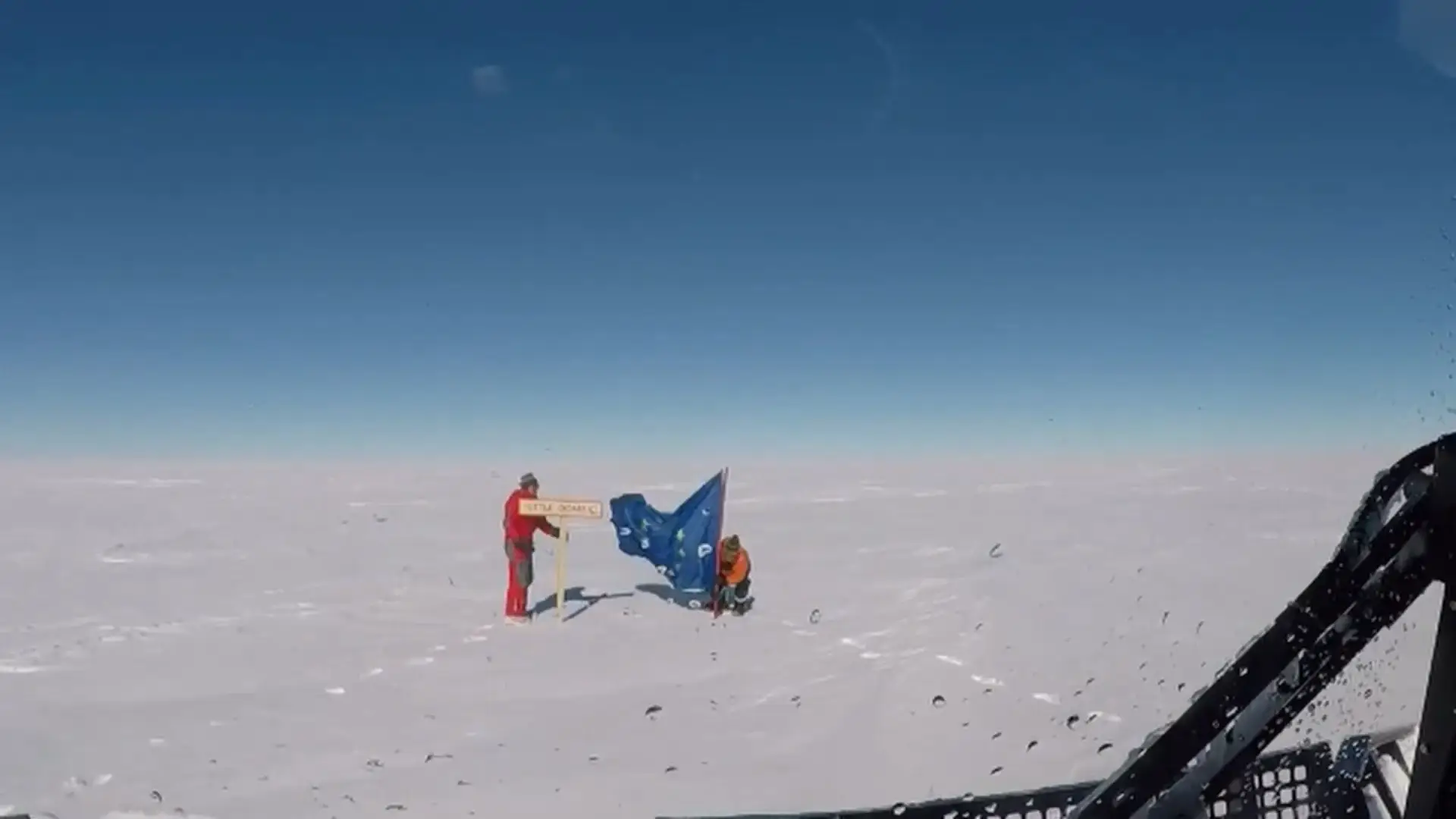
It certainly wasn't an easy or leisurely process to extract the ice though, as it took "more than 200 days of successful drilling and ice core processing operations across four field seasons in the harsh environment of the central Antarctic plateau at an altitude of 3,200 meters above sea level with an average summer temperature of -35⁰C."
All that's left now is to transport the sample back to labs in Europe, which is not an easy process in of itself. A cold chain of -50⁰C has to be maintained, and this is described as a 'significant challenge', so hopefully it will be completed without a hitch.