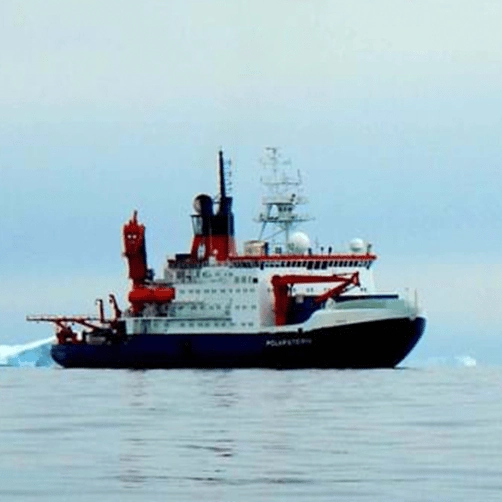
Ancient 'lost world' that existed 40,000,000 years ago discovered deep below Antarctic ice


It’s mind blowing to think about how much of the world is left to discover.
From ancient monuments to giant viruses, experts are constantly finding out more about our home planet, and it doesn’t look like they plan on stopping any time soon.
Just recently, geologists made a huge discovery in West Antarctica that could offer a glimpse into the mysteries of the Earth's history.
Whilst digging into a massive ice sheet, they discovered the remains of an ancient river system, and it certainly left them with questions.
Advert
The system is thought to have flowed for nearly a thousand miles, and hints at the huge impact extreme climate change could have on the planet.
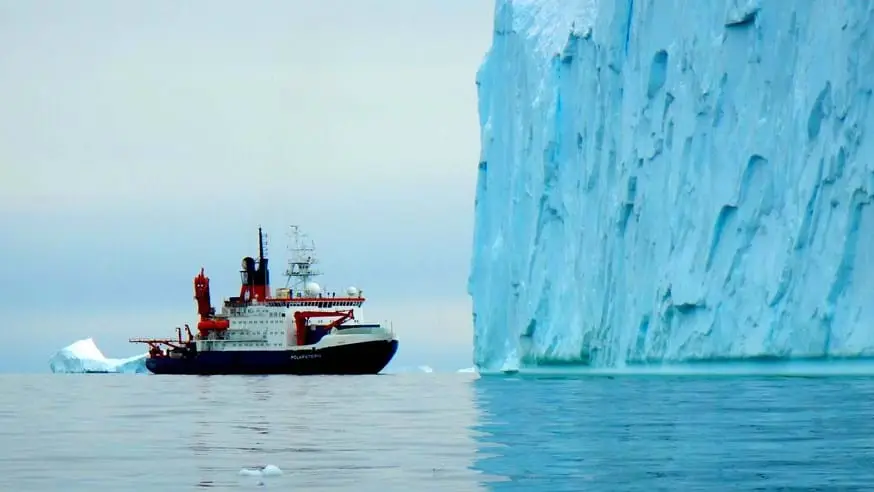
Study co-author and a sedimentologist at the Alfred Wegener Institute Helmholtz Center for Polar and Marine Research in Germany, Johann Klages, told Live Science: "If we think about a potentially severe climate change in the future, we need to learn from periods in Earth's history where this already happened,"
And they’re really looking back in time.
There’s one major climate event in Antarctica that scientists are focused on investigating, and it happened between 34 million to 44 million years ago.
In this period of time, known as the middle-to-late Eocene, the atmosphere of Earth is thought to have changed drastically.
Carbon levels plummeted, and a global cooling led to the formation of glaciers on an Earth that was previously ice-free.
With carbon levels constantly rising currently, scientists are eager to find out more about this widespread cooling so they can understand what triggered it.
The amount of carbon dioxide during the late Eocene period was almost double the amount we have today.
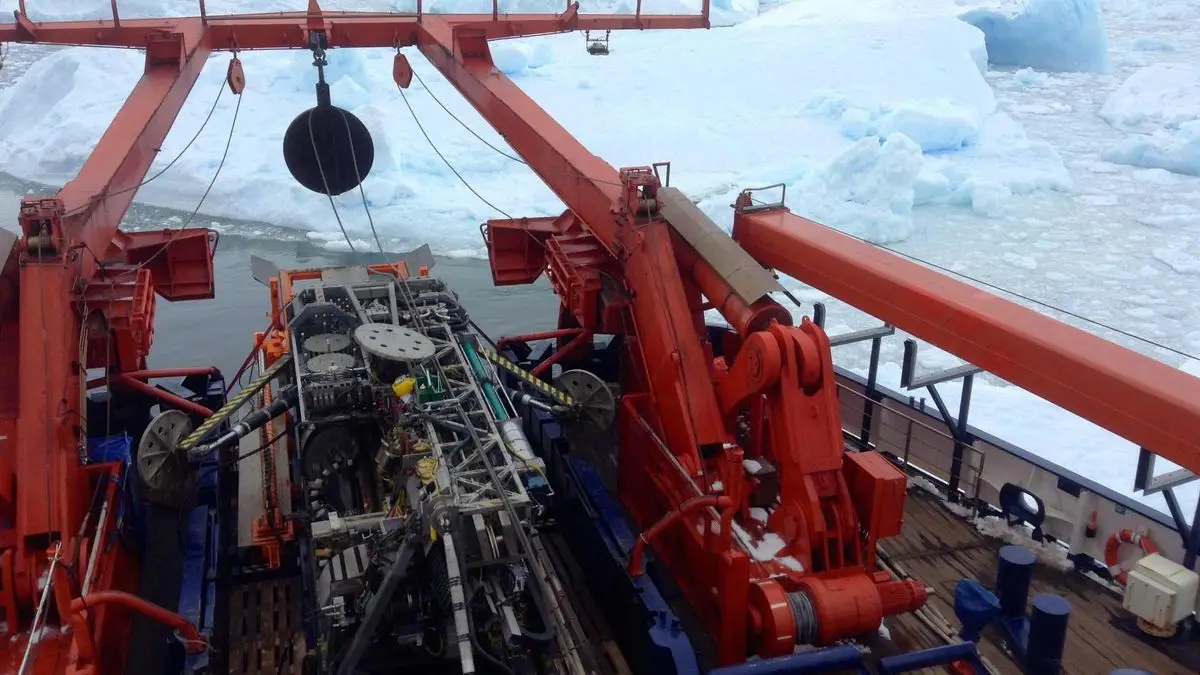
And now from their findings, scientists know that during this period of time, a large-scale transcontinental river system once crossed West Antarctica.
In 2017, another team of researchers set out to learn more about the ancient history of the area by venturing to the Amundsen Sea Embayment, where the ice sheet covering the region flows into the sea.
The team collected core samples from soft sediments and hard rocks within the frozen seabed, which contained fossils, spores and pollen.
They also found sections of sandstone dating back to the middle to late Eocene, and found evidence of an ancient river delta.
This is very similar to something one would encounter in the Mississippi River or Rio Grande, Klages said.
Further testing on the multiple samples then uncovered a unique molecule commonly found in cyanobacteria that live in freshwater.
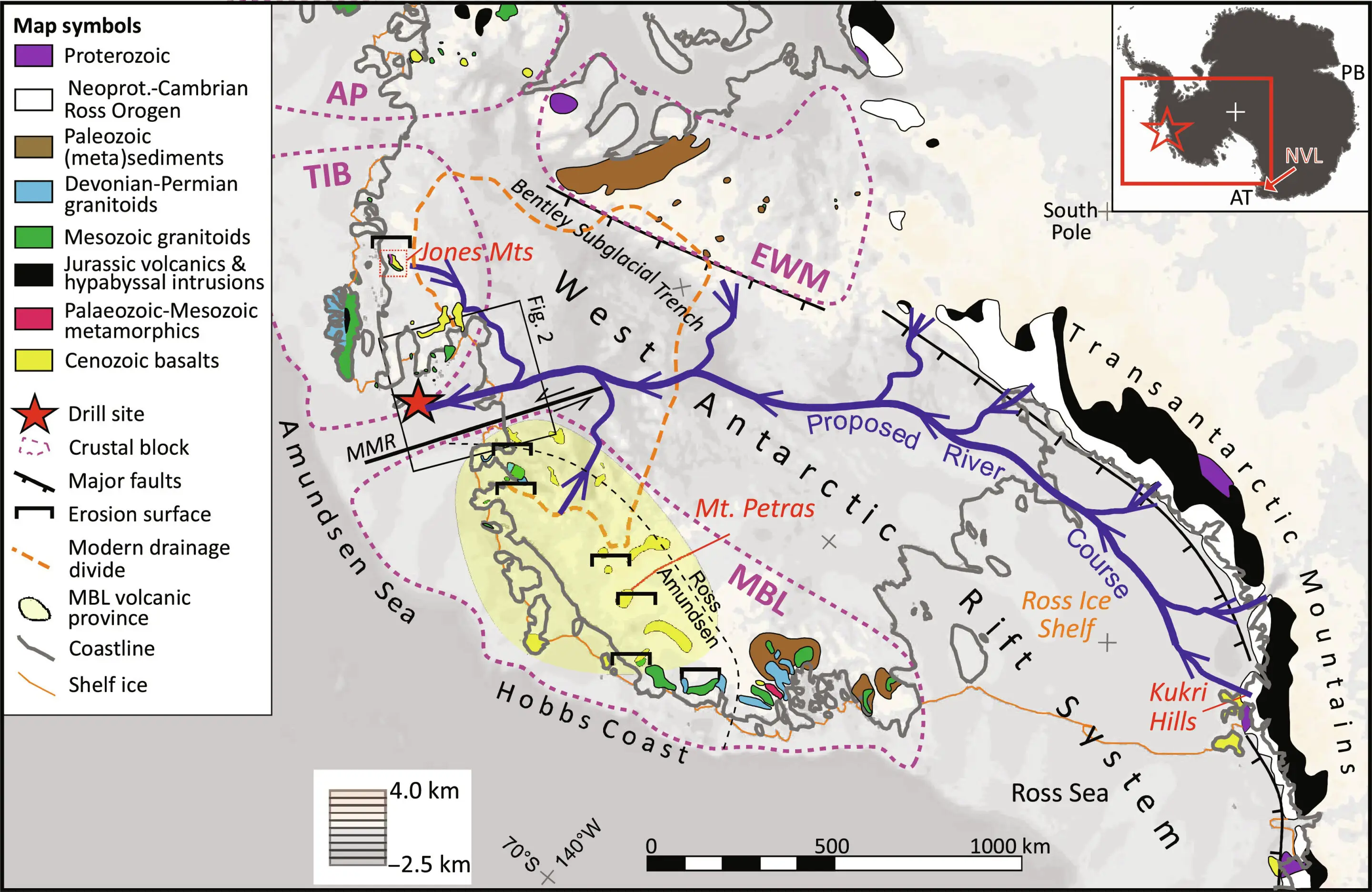
Confused? It’s a lot to take in. In simple terms, the finding confirmed their suspicions that an ancient river once snaked across the continent.
The research doesn’t stop there, and the team are now analyzing parts of the core sediments that can be dated back to around 23 million years ago.
Hopefully this will help refine models to better predict future climate.