
Shocking study links use of Ozempic to sudden vision loss and increased risk of rare eye conditions

A new shocking study has linked the use of Ozempic to sudden vision loss and an increased risk of rare eye conditions.
This comes after GLP-1 injections have seen a boom in the weight loss industry.
Millions of people are now taking the likes of Ozempic and Mounjaro after they became popular methods to tackle obesity.
Plenty of celebrities have also jumped on the bandwagon with the likes of Elon Musk, Oprah Winfrey and Kelly Clarkson openly admitting to taking these types of medication.
Advert
However, new research into weight loss injections is now raising concerns that it could be associated with an increased risk of serious conditions.
This includes conditions relating to the eyes and vision loss.
Two studies into the matter were published in JAMA where semaglutide and tirzepatide were closely studied.
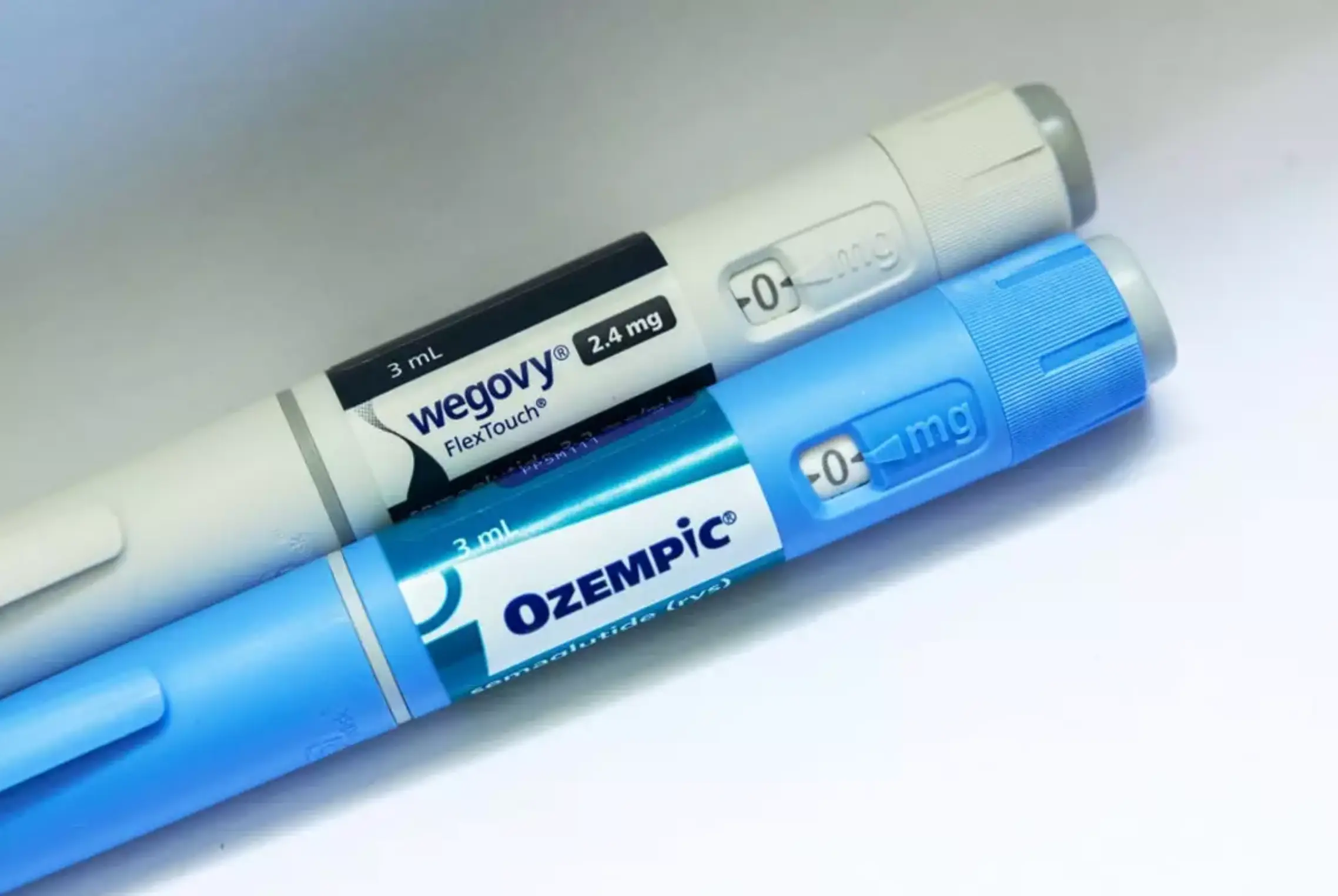
These are both included in popular weight loss drugs including Ozempic, Mounjaro and Wegovy.
In one study, it was found that there was a modest risk of developing a rare eye condition, non-arteritic anterior ischaemic optic neuropathy (NAOIN), when taking the medication. NAOIN is known to cause sudden vision loss.
The experts noted that users are also at risk of developing ‘other optic nerve disorders’.
The study authors continued: “These findings suggest that all patients with type 2 diabetes treated with GLP-1 RAs, regardless of preexisting diabetic retinopathy, should be regularly screened and monitored for potential complications.”
Speaking to Fox News, Dr Ashley Brissette, who is an ophthalmologist, explained that while NAOIN is ‘extremely rare’, it is also very serious.
She said: “I think caution with anything is warranted. And remember these are associations, not causations, so it's not to say that GLP-1 use causes NAION or worsening retinopathy, but their use is associated with these conditions.

“From an ophthalmologic standpoint, these findings underscore the importance of baseline and follow-up eye examinations for patients starting GLP-1 therapy, especially those with pre-existing retinal or optic nerve risk factors.”
In a statement to Fox News Digital, Novo Nordisk, the maker of Ozempic and Wegovy, said: “Patient safety is a top priority for Novo Nordisk, and we take all reports about adverse events from the use of our medicines very seriously. NAION is a very rare eye disease, and it is not an adverse drug reaction for the marketed formulations of semaglutide (Ozempic, Rybelsus and Wegovy) as per the approved labels in the US.
“Novo Nordisk, on its part, has conducted an analysis across randomized controlled clinical trials with GLP-1 receptor agonists, including a blinded ophthalmologist evaluation to confirm NAION diagnoses. Our current assessment is that these data do not suggest a causal relationship between GLP-1 RA use and NAION events.”