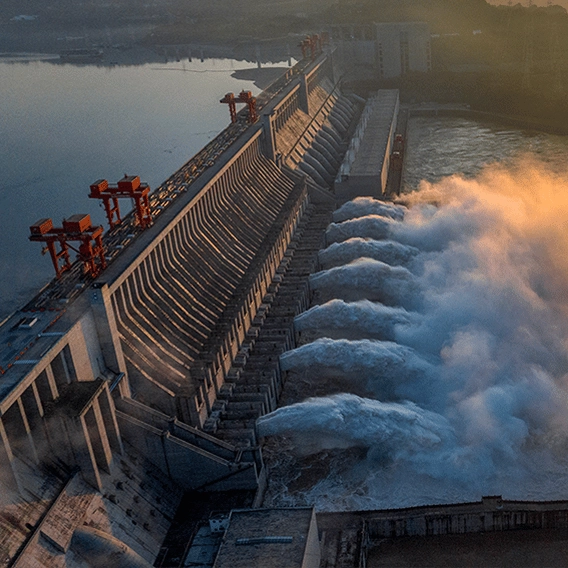
NASA scientists worried one of humanity's largest ever projects is slowing down Earth's spin


NASA are concerned about the Three Gorges Dam causing some serious changes to the Earth's rotation.
Imagine being so massive, you could legitimately be slowing down the rotation of the Earth. This is a very real worry shared by NASA scientists, with reports that one of humanity's largest-ever projects is affecting our rotation.
According to the National Aeronautics and Space Administration, one of China's many megaprojects could be having a serious impact on the way our planet behaves in the solar system.
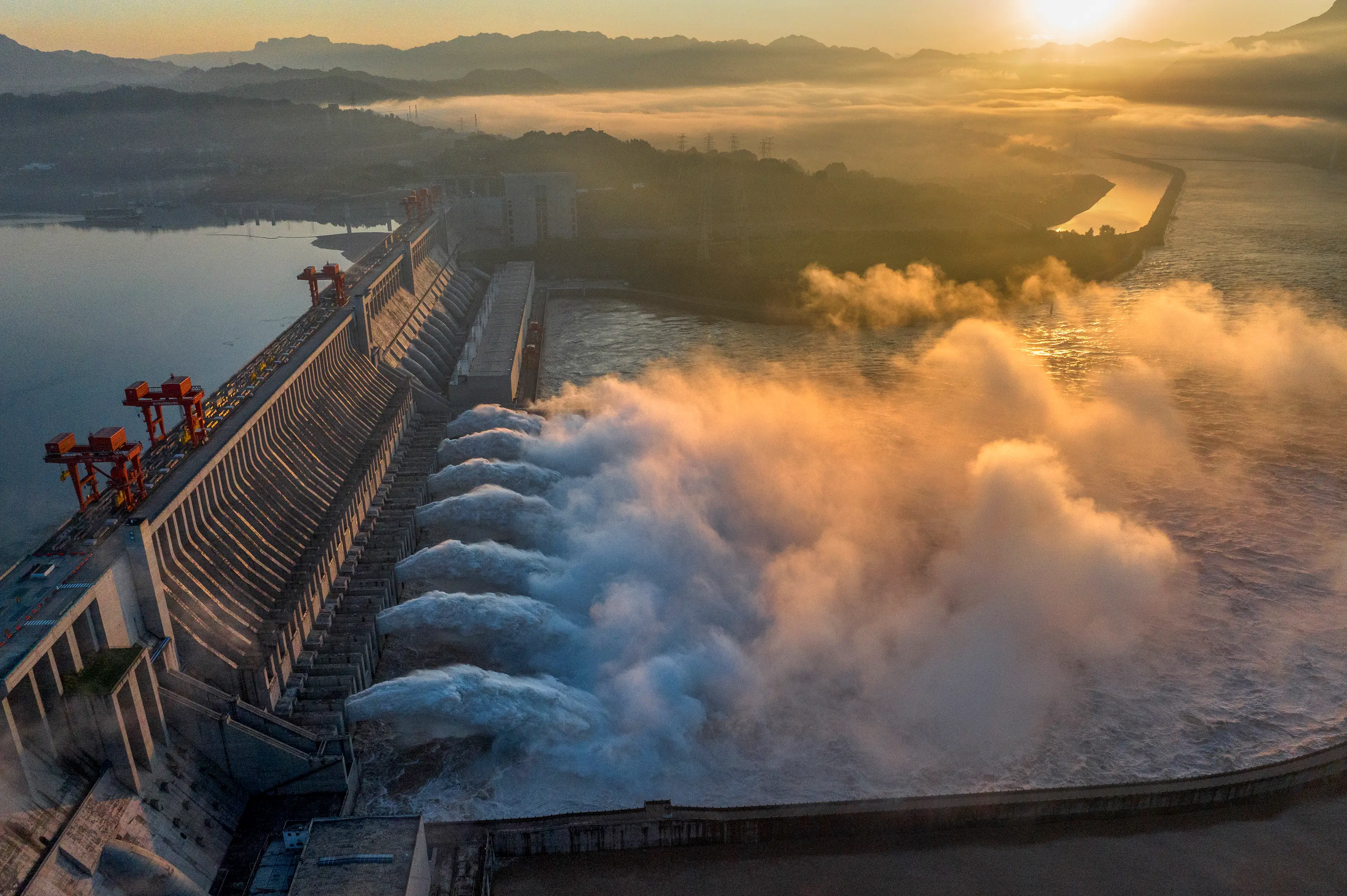
China's Three Gorges Dam is known as the world's largest power station, and lying on the Yangtze River to the far west of Wuhan, it's not hard to miss. Rising 175 meters above sea level and boasting a reservoir flood storage capacity of 22 km3, the Three Gorges Dam is a behemoth. It's not come without its controversy, and when construction began in 1994, it led to 13 flooded cities, 140 towns, and is thought to have displaced over 31 million people.
Advert
The Three Gorges was finally opened in 2003 (with the power plant becoming operational in 2012) and came with a whopping construction cost of ¥203 billion ($31.765 billion). When operating at full capacity, the Three Gorges Dam can produce 0.54 terawatt-hours (TWh) of electricity every day, which equates to powering 5.4 million households for a whole month.
There have already been complaints about its environmental impact in terms of erosion, landslides, and wildlife disruption, but that's nothing compared to its terrestrial impact.
On its site, NASA writes: "The epic scale of the dam project is matched by the level of controversy it continues to generate."
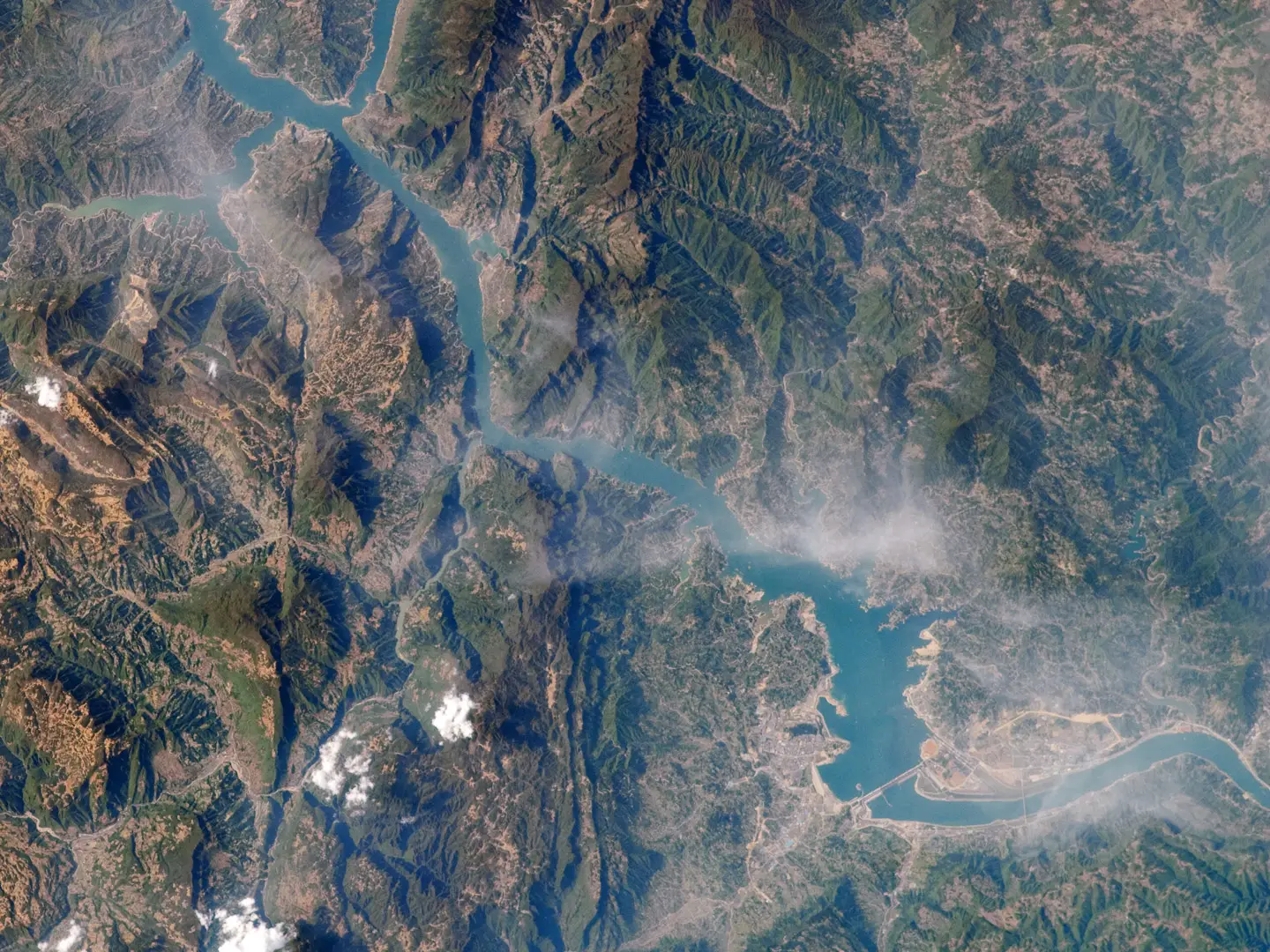
Due to the reservoir holding 40 billion cubic meters of water, it can cause a 'significant' redistribution of mass on Earth. In 2009, astronauts captured the first image of flooding behind the dam, really showing off its monstrous side.
As the water collects, it changes weight across the planet's surface and has even increased the length of the Earth's day. Explaining what's going on, NASA scientist Dr. Benjamin Fong Chao said: "Redistribution of mass within the Earth's system produces an effect on Earth's rotation. While the delay of 0.06 microseconds per day may seem negligible, it is a measurable consequence of this redistribution."
Moving mass closer to the poles speeds up rotation while moving it further away slows it down. Although 0.06 microseconds doesn't seem like a lot, it's still wild to think building a dam can lengthen the Earth's standard day.
We're warned that massive projects like dams and groundwater extraction are known to change sea levels. The 10 trillion gallons of water at the Three Gorges is similar to the amount that was shifted by the 2004 Indian Ocean earthquake and tsunami. That moved the North Pole by a whole 2.5 centimeters and shortened the day by 2.68 microseconds, although both situations show how easy it is to adjust our rotation. Similarly, Japan's 2011 earthquake that triggered the Fukushima nuclear accident apparently sped up the Earth’s rotation by 1.8 millionths of a second.
With approval for a dam three times the size of the Three Gorges being given the green light, should we settle in for even longer days?