
Astronaut who spent 6 months on the ISS shares brutal reality of spacewalking that left her 'bruised' and 'bleeding'


Traveling to space is something most people only ever dream of - and movies give us a pretty glamorous idea of what it would be like.
Sandra Bullock’s portrayal of space travel in Gravity may lead many to believe that floating above the atmosphere can be done elegantly but one astronaut has lifted the lid to reveal that is nothing like reality.
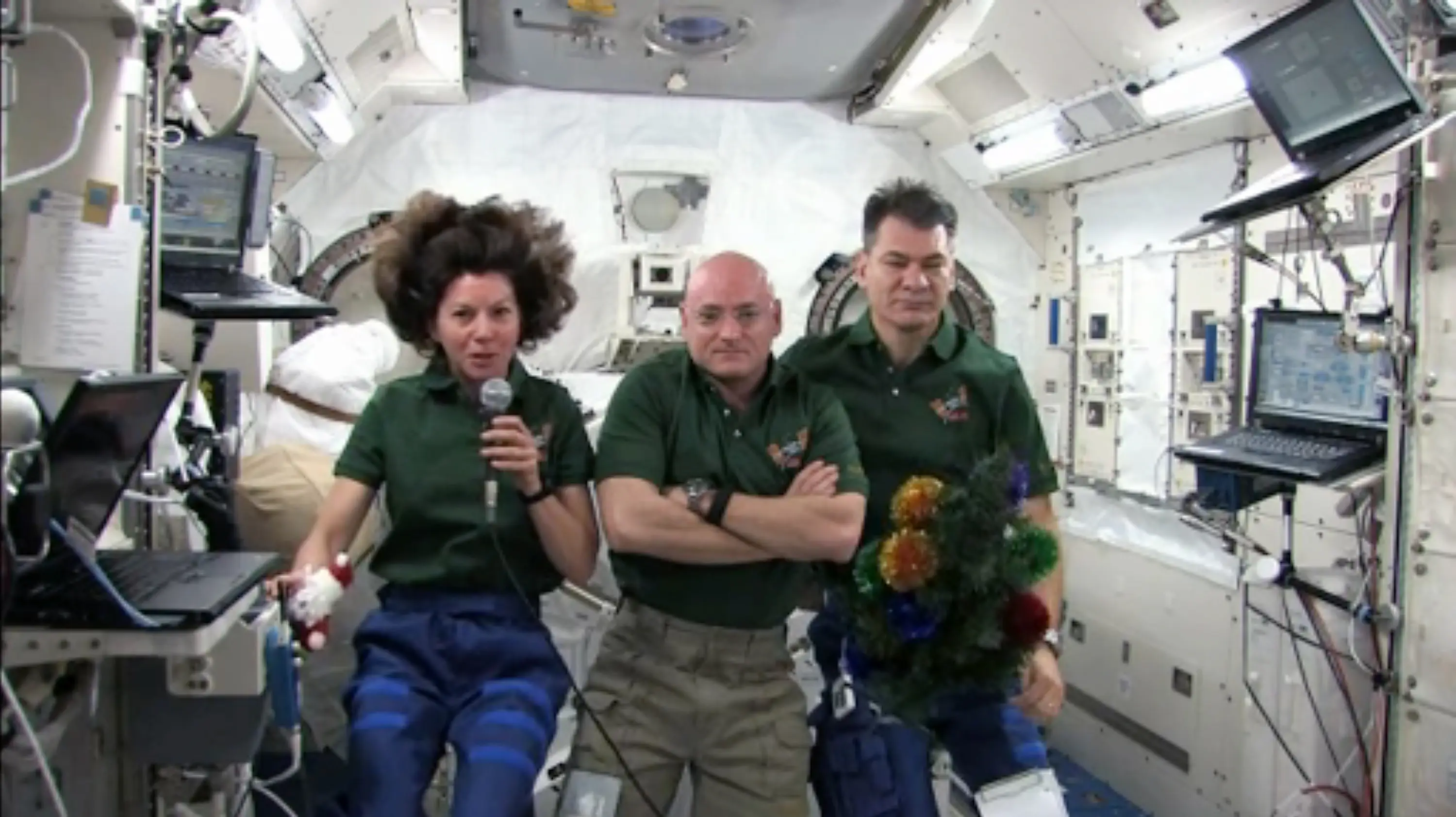
Cady Coleman lived on the International Space Station for six months in 2010 and has talked about what life in orbit is really like in her new book, Sharing Space.
Advert
Coleman actually called Bullock from space during the filming of her movie and gave her advice on how to make her spacewalk believable.
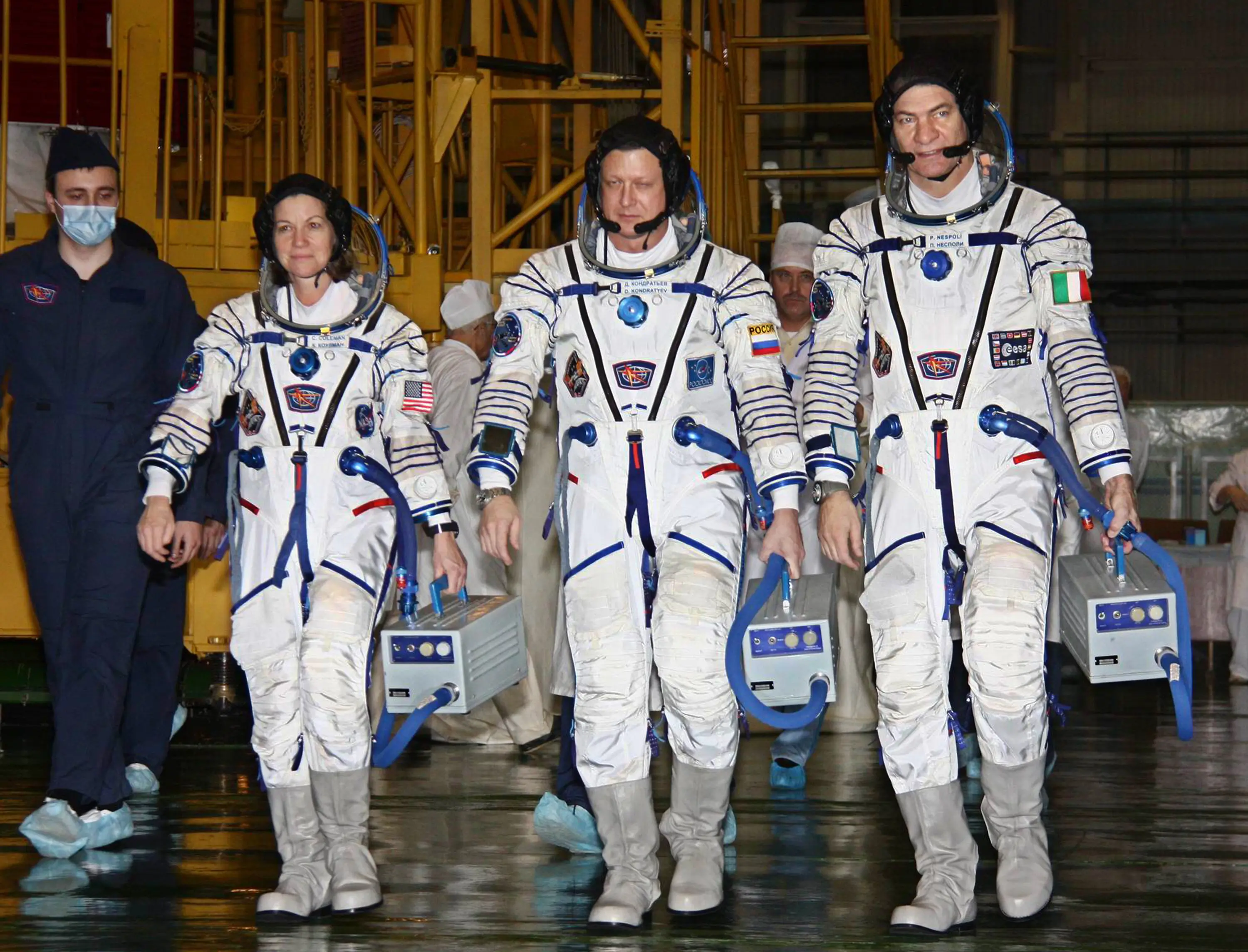
One little known fact, however, is just how painful it is to wear the unisex EVA (extravehicular activity) suits when venturing outside of the ISS.
NASA had also previously got rid of their smallest size of the suit, which left Coleman with no choice but to wear one that she could do “a hula dance inside”.
She added: “To be clear, at 5ft 4, I’m not dramatically small, and my arms are short only in comparison to those of male astronauts.
“But I had little choice other than to adapt to the equipment that was available - and like so many things, even in that day and age, the equipment was basically designed to accommodate men.
“One-size-fits-all typically meant one-size-fits-all-the-dudes.”

The astronaut went on to explain how wearing the suit can be extremely difficult even in the best of conditions.
Coleman said: “It’s challenging to operate inside one even if it does fit perfectly, let alone if it’s too big. And don’t forget, your ability to perform while inside that suit is literally a matter of life and death.”
It takes around an hour to put the suit on with the help of a tech team. The first step is to put on an adult diaper then a sports bra before putting on long underwear.
Coleman continued: “Now comes a critically important piece of clothing — the LCVG, short for Liquid Cooling and Ventilation Garment. The LCVG looks like a jumpsuit designed by a performance artist. Tubes of water were woven through the fabric in all directions, like oversized veins.
“When you’re gliding around inside 300 pounds of spacesuit, your body heats up quickly, and your LCVG lets you regulate your body temperature thanks to an adjustable but hard to reach knob on the front of your suit.”
The astronauts also wear knee pads, elbow pads, and hip and crotch pads - a far cry from Bullock’s depiction.
Coleman added: “I look nothing like Sandra Bullock in Gravity, slipping into her spacesuit in her little black shorts and tank top before jetting out into the stars; rather, in the LCVG, I resemble an ungainly Egyptian mummy who just emerged from the tomb after several thousand years.”
After a spacewalk, Coleman said that she is always surprised by what she sees in the mirror, noticing that her legs and arms are “covered with red and purple bruises and abrasions. Sometimes I’m bleeding from where the suit and I battled to get into an especially tricky position.”
Luckily, things are changing for female astronauts and when NASA’s Artemis takes the first woman to the moon in 2025, she will be wearing a redesigned suit.
“I hope it fits her like a glove,” said Coleman.