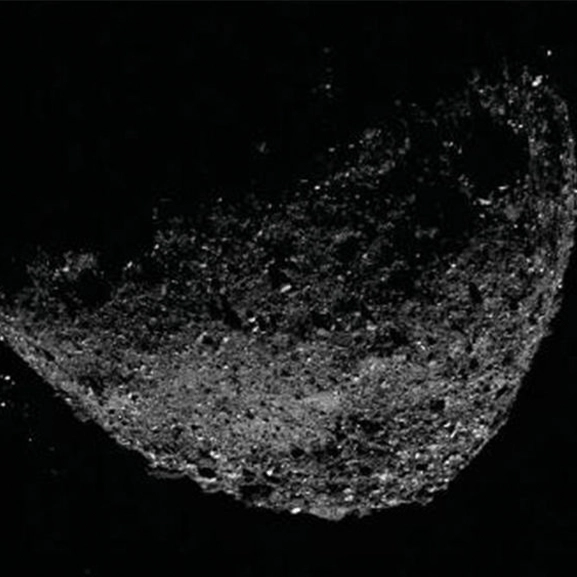
The most dangerous asteroid discovered in the solar system is seriously scary


A massive asteroid in the solar system could one day strike our planet - and let's just say our history with them isn't that great.
In the dawn of the dinosaurs, around 66 million years ago, Earth was struck by a whopping asteroid, making a 100-mile-wide scar known today as the Chicxulub crater.
The asteroid wiped out the dinosaurs, as well as three-quarters of Earth’s species.
Advert
To try to stop a similar disaster, NASA has a Sentry impact-monitoring system which basically analyzes possible future orbits of potentially dangerous asteroids.
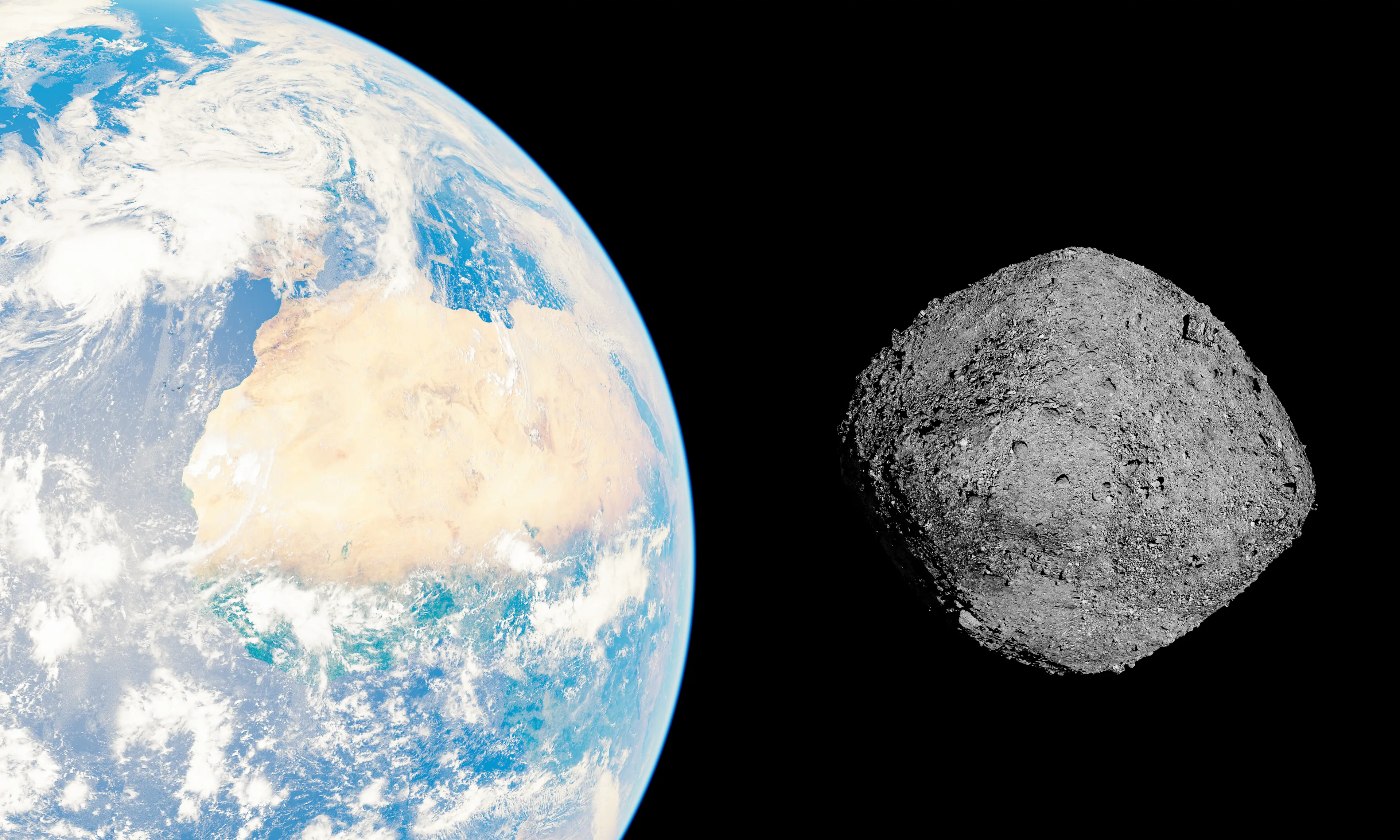
The most dangerous asteroid spotted so far is known as the 101955 Bennu (1999 RQ36) asteroid, and is 0.3 miles (0.49 kilometers) big, with a whopping mass of 74 million tons.
The name Bennu refers to an ancient Egyptian deity, and was picked in 2013 by nine-year-old Michael Puzio, from North Carolina, who won a naming competition.
Scientists suspect Bennu may have broken away from a larger asteroid between 2 billion and 700 million years ago.
If the asteroid struck the Earth, it would release energy equivalent to the detonation of 1.4 billion tons of TNT, Live Science suggests, and if it were to hit a city, it could cause millions of deaths.
To put that into perspective, the asteroid that killed the dinosaurs is thought to have released the energy equivalent to the detonation of 72 trillion tons.
Bennu was discovered in September 1999, and experts suggest out of all the asteroids out there, it has the greatest risk of impacting Earth.
But, luckily for us, it shouldn’t impact our planet for some time - so no need to act like you’re in Don’t Look Up.
NASA scientists say Bennu passes by Earth approximately every six years - and on September 24, 2182, there is a 0.037% chance of it crashing into us.
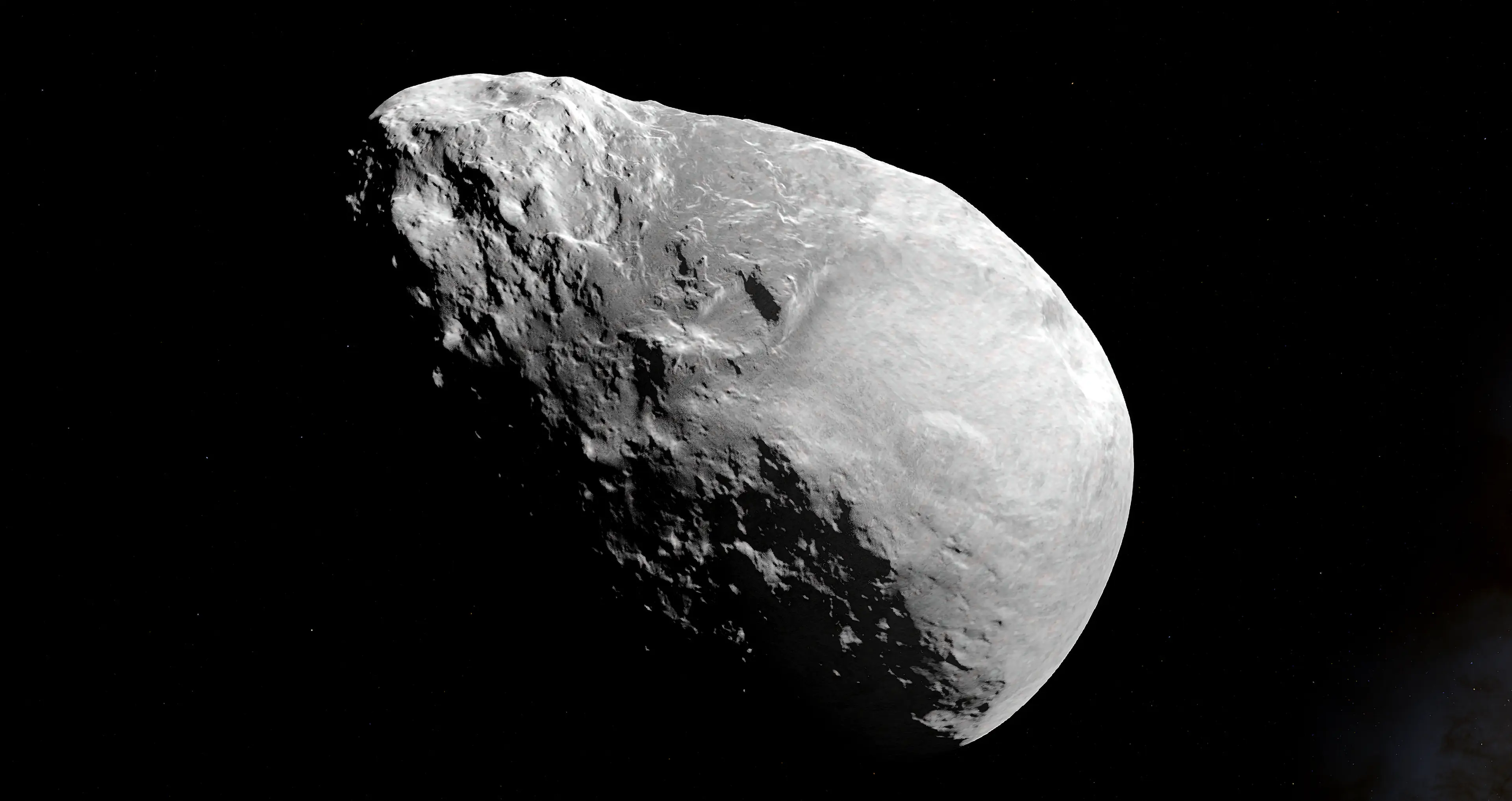
It's a very slim chance, but they're still preparing for it to happen, just in case.
Scientists are learning as much as they can about the asteroid - in September 2023, NASA's OSIRIS-REx spacecraft even returned a sample of Bennu to Earth to be analyzed.
After dropping off the sample, the spacecraft began a new mission as OSIRIS-APEX and is making its way to an encounter with asteroid Apophis in 2029.
Bennu is just one of the intriguing - and a little terrifying - asteroids out there.
According to Live Science, the second riskiest object hurtling through space is the somewhat boringly named 29075 (1950 DA).
It was first discovered in 1950, before being lost for 50 years - which feels rather careless of our scientists.
According to NASA, this asteroid frantically rotates every 2.1 hours, making it the second fastest spin rate ever observed for an asteroid its size.
It's a loose-rubble-pile asteroid with high iron-nickel content, which we certainly wouldn't want to see up close and personal - but don't worry, because the European Space Agency says the probability of it hitting Earth is approximately 1 in 50,000 - and that's not until 2880.