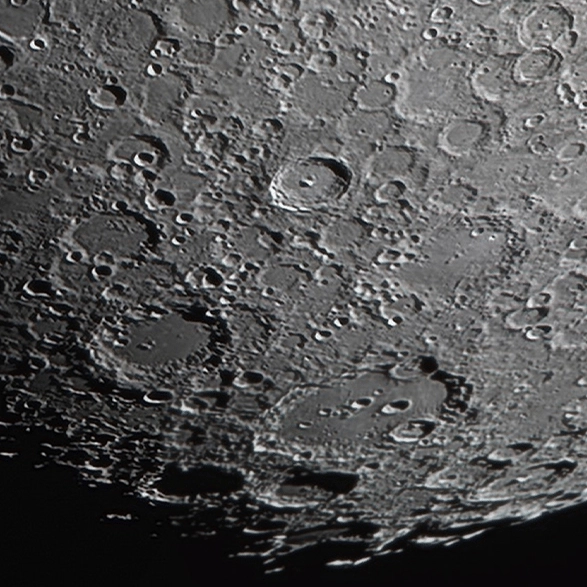
‘Hidden’ structures discovered on the far side of the moon


A new study in China has revealed what could be the presence of buried structures which are located on the far side of the Moon.
The 'far side' is different from the 'dark side', as the Moon orbits at a constant distance - and one side is always facing away from us.
Advert
Who knew there were different names for sides of the Moon?
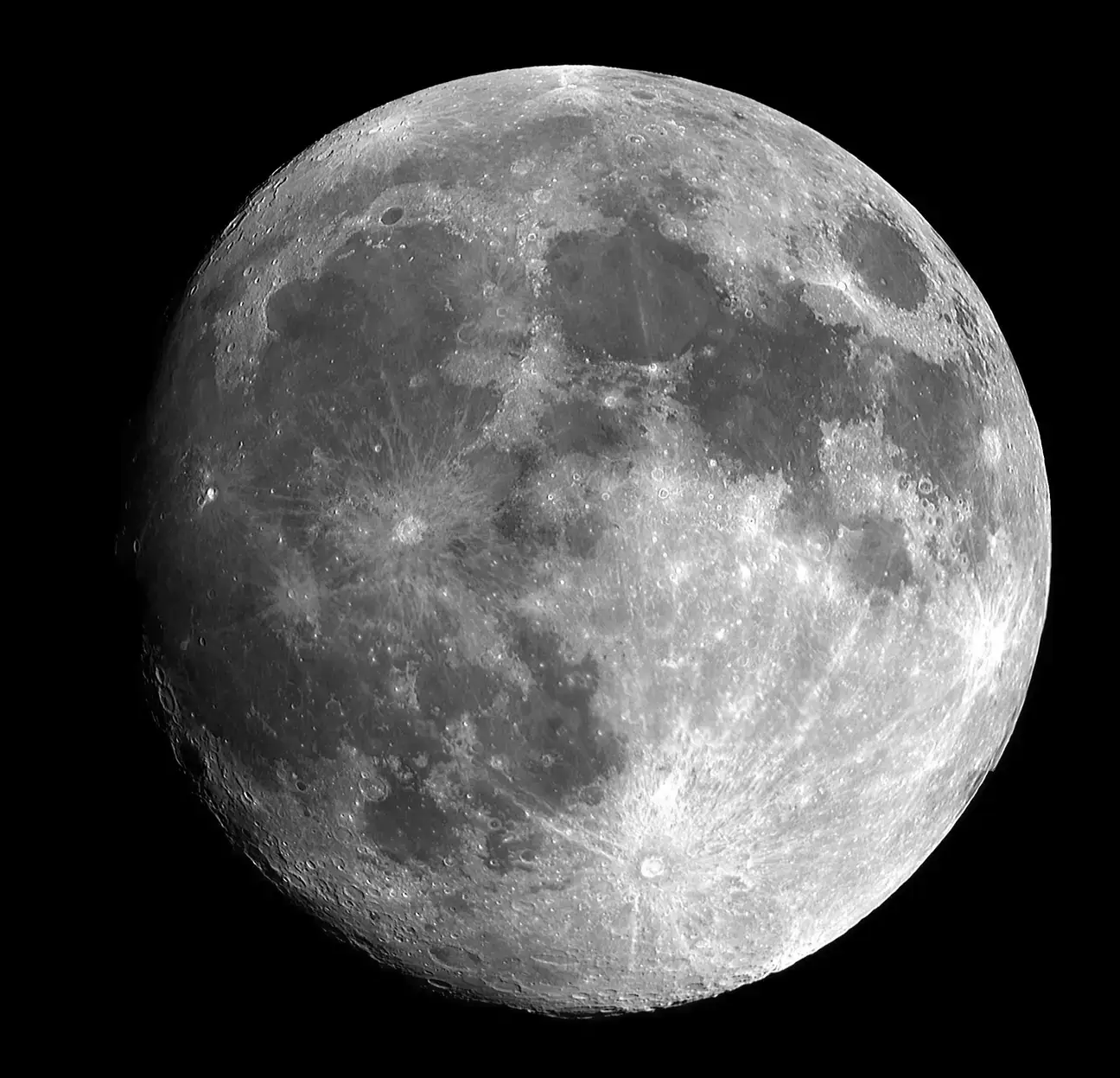
However, the dark portion of the Moon varies according to the angle it's at on its orbit, which is why we have full moons and crescent moons as more or less becomes visible.
With that all understood, the discovery has been made on the far side of the Moon, so the side that is always facing away from us…what are they trying to hide?!
The exciting discovery is, however, not of aliens or creatures from out-of-space, but of structures buried deep beneath the Moon's surface.
These were spotted thanks to data collected by China's Chang’e-4 rover and could reveal billions of years of the Moon's geological history.
Previous types of Ground Penetrating Radar (GPR) could only reach about 40 metres below the surface. However, now we can see much deeper into the geological structure of the Moon.
The study was published in Journal of Geophysical Research: Planets and said: “The GPR sends electromagnetic pulses into the lunar interior and receives echoes from subsurface layers. We use the high-frequency channel data to detect the structure of the upper 40m along the rover’s path, primarily consisting of rock debris and soil.
“Through this investigation, we have discovered multiple layers in the upper 300m, which likely indicate a series of basalt eruptions that occurred billions of years ago.
“The thickness variation of these lava flows suggests a decrease in eruption scale over time."
So, billions of years ago, there may well have been volcanoes on the Moon which spewed out lunar lava.
One theory about the origins of the Moon is that the Early Earth and a Mars-sized planet collided, a theory rather subtly known as the 'Giant Impact Hypothesis'.
Evidence presented for this includes the similarities in the Earth and Moon's orbits, as well the low concentrations of metals in the Moon which are present in the Earth's core.
This could indicate that the impact was large enough for the Early Earth and Mars-sized planet to effectively fuse.
Meanwhile, the Moon was formed from the substances ejected from the impact.
Meaning it would have smaller concentrations of the substances found in the core.