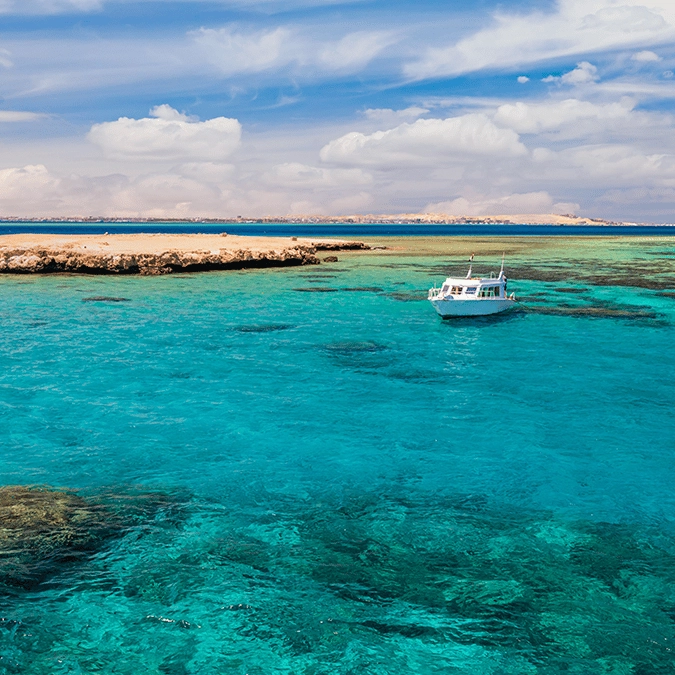
Scientists make unsettling discovery at the bottom of the Red Sea that will help aid space exploration


Scientists found something terrifying at the bottom of the Red Sea.
The ocean’s depths are creepy enough as it is without imagining that there's something more sinister down there waiting to get you.
At least with creatures like fangtooth fish and goblin sharks, you know what you're up against.
But what about when it comes to 'death pools.'
Advert
What scientists found in the Red Sea is something completely different and more unsettling.
The Red Sea is a sea inlet of the Indian Ocean located in the Middle East between Africa and Asia.
A research team of divers and probes explored the mysterious depths and uncovered 'death pools'.
What they found were strange, oxygen-free trenches packed with deadly levels of salt. They're so lethal that any creature that accidentally swims into them is immediately stunned or killed.
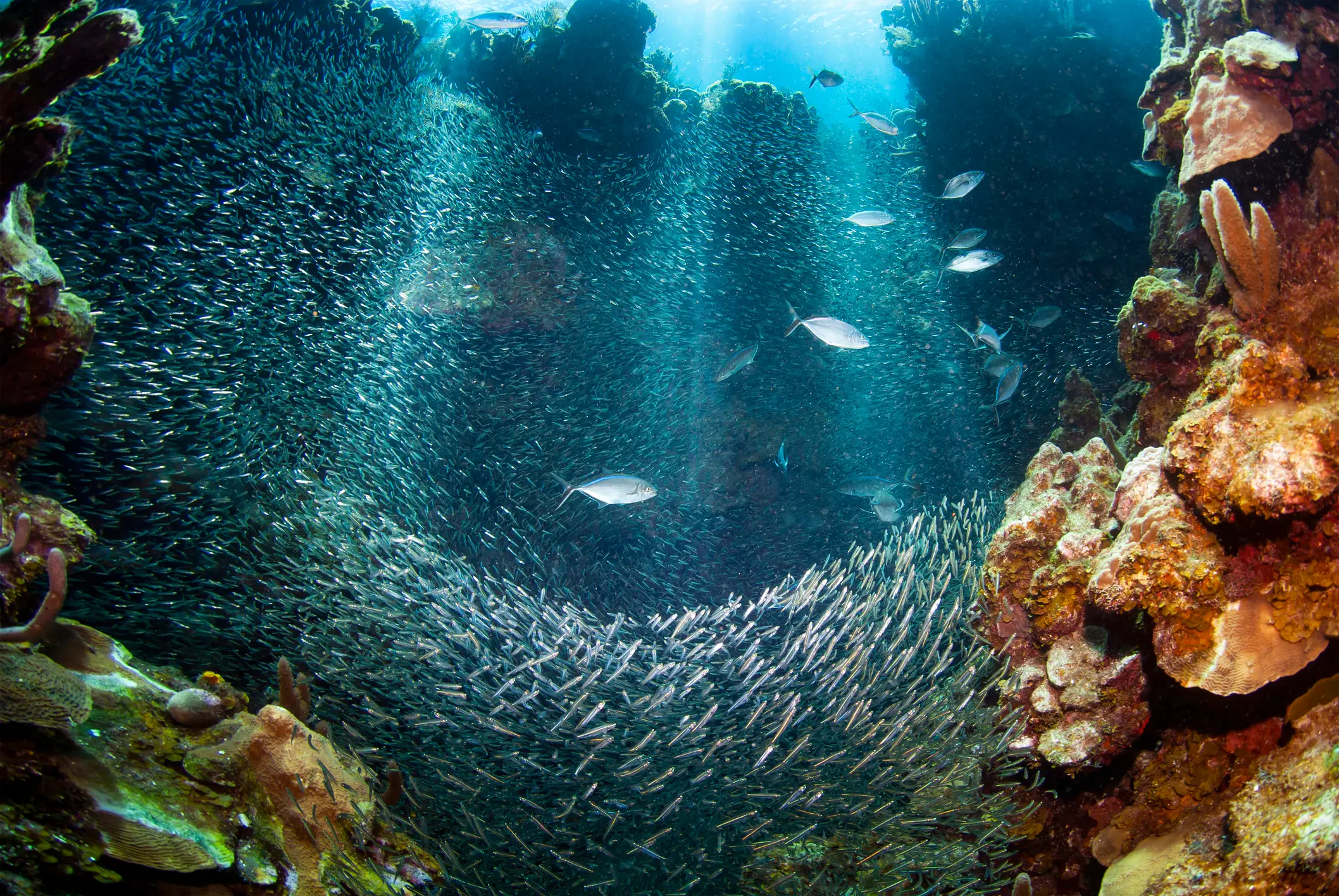
So most life can't survive there but that's not the worst part.
Strangely enough, some predators have worked out how to use these pools to their advantage when catching prey.
According to Professor Sam Purkis, chair of the Department of Marine Geosciences at the University of Miami, the pools act as traps and any creature that stumbles in never comes out.
The predators camp out near the edges of these pools waiting to 'feed on the unlucky' that swim too close.
But we should step out of the nightmare just for a second because scientists are using these pools to understand how life on Earth began.
"Our current understanding is that life originated on Earth in the deep sea, almost certainly in anoxic - without oxygen - conditions," Purkis said.
"Studying this community hence allows a glimpse into the sort of conditions where life first appeared on our planet, and might guide the search for life on other 'water worlds' in our solar system and beyond."
So somehow going to the deepest depths of the sea could help us in space exploration.
Also since these extreme environments resemble the conditions where life may have first formed on our planet, studying them could give scientists valuable clues about what to look for on other water-covered worlds.
While these traps sound spine-tingling to us, they are actually home to resilient 'extremophile' microbes.
These organisms thrive where other forms of life cannot. The researchers hope to investigate these life forms to uncover how life might have developed on Earth under similar anoxic conditions billions of years ago.
"Ordinarily, these animals bioturbate or churn up the seabed, disturbing the sediments that accumulate there," Purvis added. "Not so with the brine pools. Here, any sedimentary layers that settle to the bed of the brine pool remain exquisitely intact."