
One detail leaves scientists baffled after couple had sex in MRI scan machine


Every couple has their own way of keeping things interesting.
While some couples might try new positions or role-play to spice up the bedroom, others have taken their intimacy to entirely new locations, all in the name of science. Yes, really.
Dutch scientist Menko Victor ‘Pek’ van Andel wanted to understand what happens to the human body during sex.
To do so, he got his fellow researchers, Ida Sabelis and her boyfriend Jupp, to hop into an MRI machine for a bit of action.
Advert
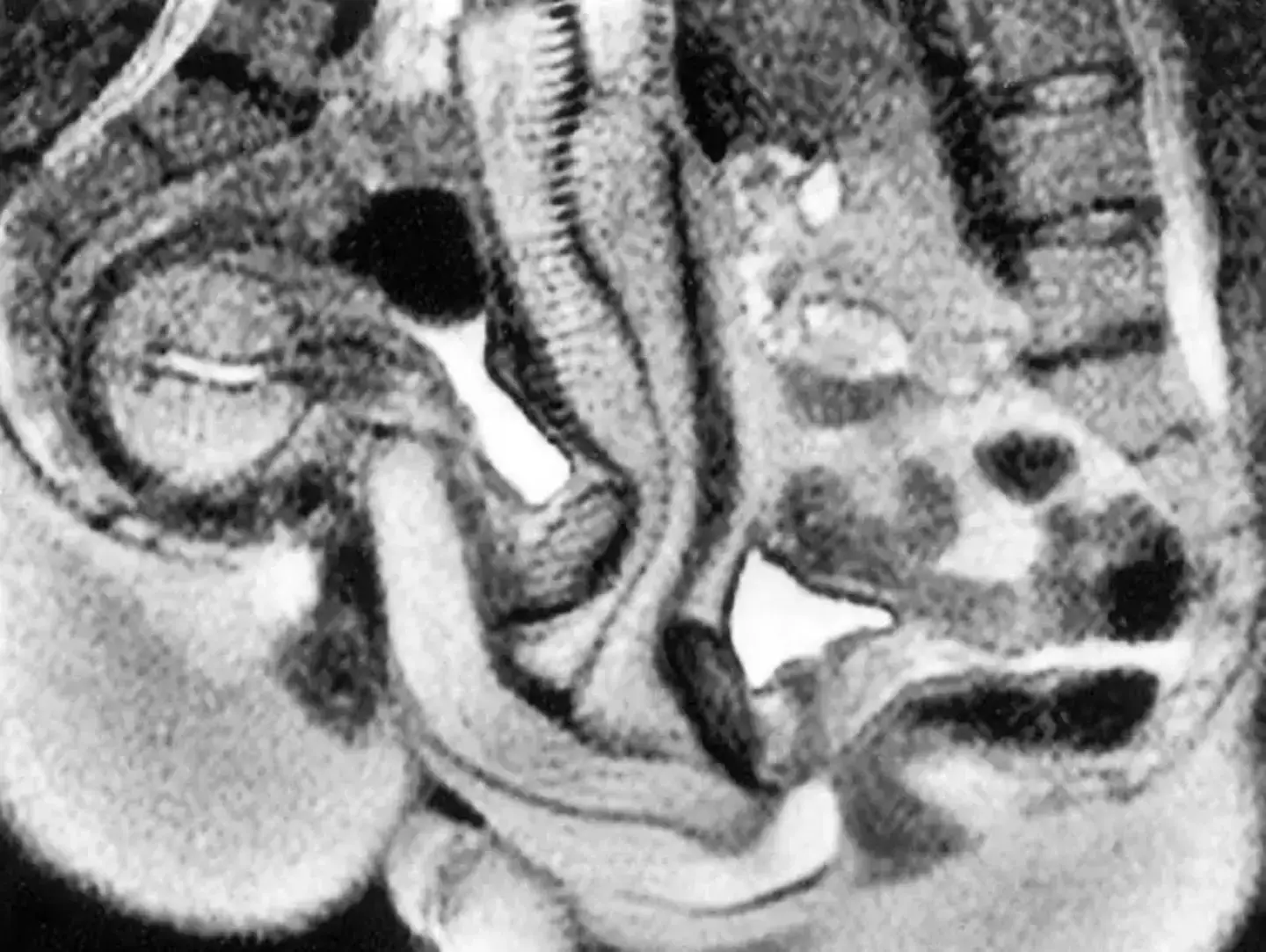
Despite the claustrophobic interior, the couple managed to get it on in a spooning position under Pek's watchful eye.
While Ida said the experience of having sex in an MRI machine 'wasn't romantic', the fact that the couple managed to have sex in there without Viagra was 'a testimony to mine and Jupp’s happiness'.
Interestingly, the researchers learned that the penis bends to accommodate the shape of the woman's vaginal canal during intercourse. This discovery contradicts historical beliefs held by thinkers like Leonardo da Vinci, who assumed the penis stayed straight and cylindrical during sex.
Beyond this, Pek's findings revealed additional mysteries that left the researchers puzzled.
Between 1991 and 1999, Pek expanded his research to include eight couples and three single women who would have sex inside the hospital's MRI machine 13 more times. Every male participant was required to take Viagra to achieve arousal in the rather unsexy environment inside an MRI machine.
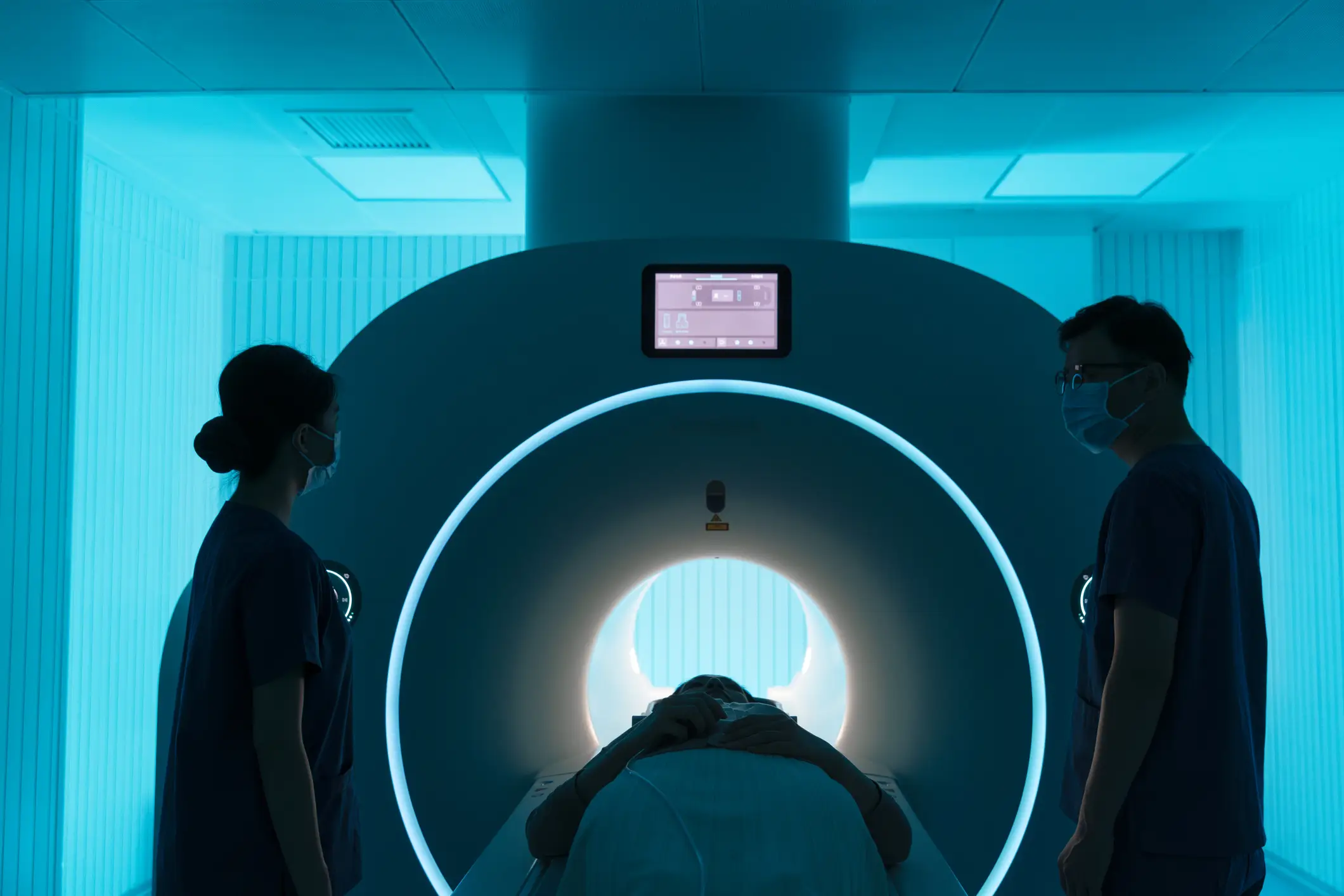
Unlike Ida and Jupp, these participants would have intercourse in the missionary position.
To the scientists' surprise, what they discovered was that in all 13 instances, the woman's bladder would rapidly fill up during intercourse. Why this happens, however, they're not quite sure.
According to Pek, it could be 'evolution’s way to force women to urinate after sex' in the aim to 'avoid urinary tract infections.' Still, the explanation remains pretty theoretical with no conclusive answer determined.
"In every final scan we could see a big, full bladder, even though most of the women went to the toilet before they went inside the MRI," Pek explained.
As awkward or uncomfortable as experiments have been throughout time, this study turned out to be a huge success among people who were fascinated by the results.
"People who’d actively tried to shut us down were later providing quotes to the press, or listing their participation on their resumes," Pek said. "Success has many fathers, obviously."